

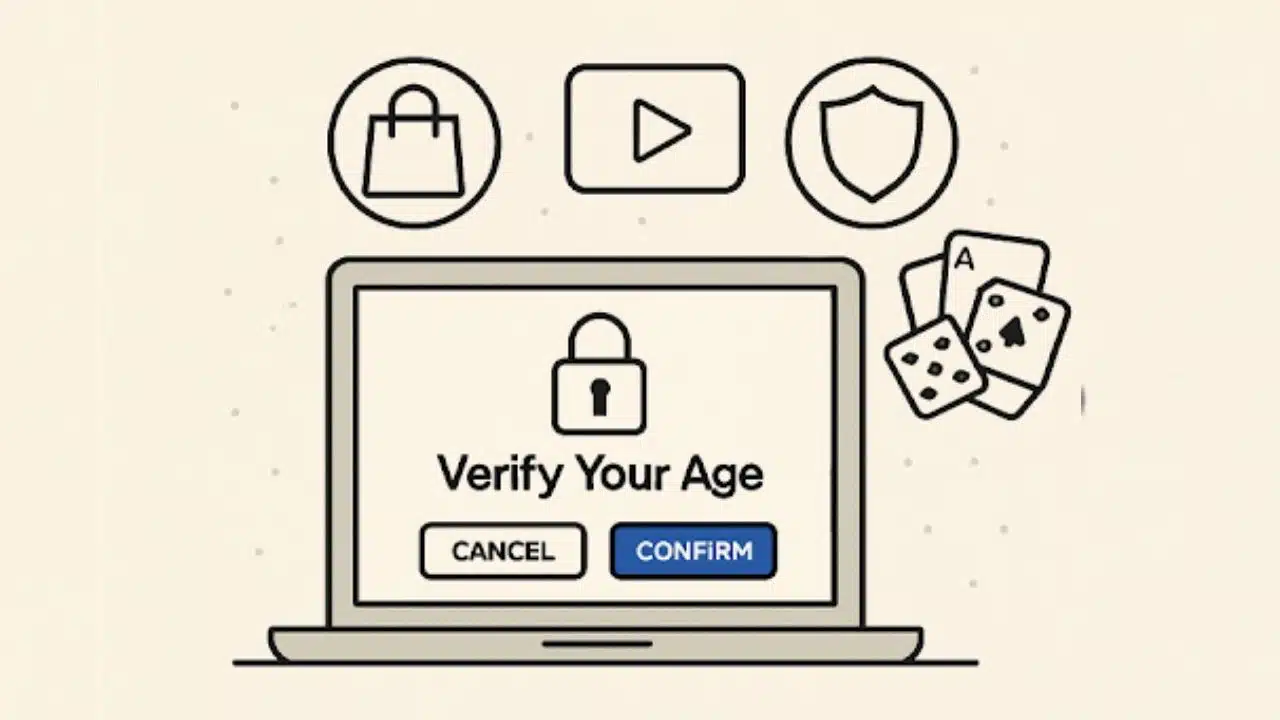
As society navigates a growing digital economy, safeguarding minors from age-restricted content and goods online has taken center stage. The implementation of biometric age verification and other advanced verification systems has become pivotal for regulatory compliance and digital child protection. Regulators and organizations are increasingly recognizing the need to verify age not only for legal reasons but also to help sustain brand reputation in a tech-forward world.
Across social media, e-commerce, streaming, and interactive platforms, the responsibility to prevent minors’ access to potentially harmful materials or services continues to evolve. Meeting this duty now involves more than just ticking boxes for compliance—it requires innovative, user-friendly, and privacy-centric approaches. These demands are driving industries to reevaluate their age verification strategies with a focus on balancing protection, privacy, and seamless access for legitimate users.
The Growing Need for Age Verification
The digital boom has enabled minors to have greater autonomy online than any previous generation. With one-click access to thousands of websites, products, and forums, the challenges of limiting harmful exposure and illegal purchases are more complex than ever. This puts pressure on organizations operating in sensitive sectors to proactively prevent underage users from bypassing safety guardrails. In response, age verification initiatives are being rapidly adopted across global industries, backed by renewed calls for accountability and ethical digital stewardship.
As new research highlights the growing risks of youth exposure to harmful material from addictive online gambling to explicit content and illegal purchases, governments are responding with increasingly robust legal frameworks. For responsible business operators, effective age verification is now integral to overall compliance strategy, ensuring both user protection and alignment with local and international regulations.
Industries Implementing Age Verification
- E-commerce Platforms selling regulated products, including alcohol, vaping goods, and other controlled or potentially harmful items, utilize digital age checks prior to completing the purchase. This limits legal risk and public relations fallout from unlawful transactions.
- Social Media Platforms: Giants like Instagram, TikTok, and YouTube implement age gating, form uploads, and facial estimation tools, protecting younger users from violence, explicit content, or negative social influences.
- Online Gambling: Operators in the online betting and gaming sectors deploy real-time ID verification and artificial intelligence algorithms to ensure all players meet legal age minimums, reducing gambling addiction and dangerous financial loss among minors.
- Adult Content Websites: New international regulations, such as those piloted in the UK and France, require adult sites to use strict gatekeeping protocols to block underage access, with substantial fines for breaches.
Legal Frameworks and Compliance
Multiple international jurisdictions are enacting or updating laws to better regulate online environments that restrict access to minors. For example, the UK’s expansive Online Safety Act obligates digital platforms with adult material to adopt “effective” age checks, or face multimillion-pound fines and possible site restrictions. Similarly, in the United States, states such as Louisiana and Utah have implemented age verification requirements for accessing adult content and certain social platforms, with similar initiatives under consideration in several other states.
In Europe, the General Data Protection Regulation (GDPR) establishes stringent criteria for data minimization and parental consent for underage users, alongside the new “Digital Services Act,” which introduces more stringent obligations for online marketplaces and platforms. The legal landscape is constantly evolving, so brands must anticipate regulatory changes and prioritize agile compliance frameworks.
Challenges in Age Verification Implementation
Deploying effective age verification is not without complications. The most pressing concern for users is privacy: individuals are often wary of sharing sensitive documents or biometric data with commercial entities, which can lead to lower conversion rates or abandonment. Additionally, businesses must carefully assess the tradeoff between technological sophistication and user friction. Introducing too many hurdles at sign-up could deter legitimate users, while insufficient measures risk exposure to fines or harmful incidents.
- Privacy Concerns: Users fear misuse of their personal and biometric data.
- Technological Limitations: Accurately verifying age, especially for minors who may lack government-issued identification, is an ongoing challenge.
- User Experience: Overly complex age verification steps can lead to frustration and a loss of engagement.
Emerging Solutions and Technologies
As innovators strive to balance regulatory demands with privacy and convenience, new technologies are emerging to address these diverse needs. Biometric solutions, such as facial recognition or liveness detection, are increasingly chosen for their blend of security and user-friendliness. Some companies, like ComplyCube, offer layered verification models that anonymize user data after processing. In the European Union, a “mini wallet” pilot project aims to let users verify only their age, not their full identity, raising hopes for privacy-centric compliance at scale.
AI and machine learning continue to advance, with some platforms using image or behavioral analysis to make mature content recommendations inaccessible to underage audiences. Blockchain-based systems are also in development, enabling cryptographically secure verification without the need for central data repositories.
Best Practices for Implementing Age Verification
- Multi-Layered Verification: Combine document scanning (e.g., passports), biometric comparison, and AI-driven inference for highly accurate results.
- Privacy-Preserving Techniques: Adopt “zero knowledge proof” or similar technologies, confirming users only meet a required age without exposing other personal information.
- Regular Compliance Audits: Frequently review processes, update systems for new threats, and train staff to handle sensitive data according to best-in-class standards.
Final Words
Robust age verification solutions sit at the intersection of safety, privacy, and modern digital convenience. As digital services continue to expand and regulatory demands intensify, businesses in all high-risk sectors must prioritize compliance, invest in innovative age verification technologies, and position themselves as responsible guardians of youth online. With the right approach, organizations can foster safer digital spaces, drive user trust, and stay ahead in an increasingly regulated world.





















