


I still remember the exact moment Alice in Borderland stopped being just a survival show for me. I was three episodes deep into the second season, watching Arisu stare blankly at a croquet mallet, and I realized my heart was pounding harder than it did during the explosion scenes. The physical games, the Spades challenges where you run from bullets or floodwaters, are terrifying, sure. But they are honest. You run, or you die.
Then I met Mira Kano, the Queen of Hearts. She didn’t want to shoot anyone. She wanted to sit down for tea and talk until her opponent’s mind shattered. That is a different kind of horror. In the Netflix series, viewing figures soared; season two clocked over 61.2 million viewing hours in its premiere weekend alone, because we are fascinated by this exact dynamic. We watch to see if the mind can outlast the body.
While the physical “Spades” games leave bruises, the “Hearts” games leave scars that no bandage can fix. This article explores why Mira vs the King of Hearts psychological warfare is the ultimate boss battle, comparing her method to the other great mental challenges of the Borderlands.
I’m going to walk you through the specific tactics used in these games, why they break even the strongest players, and the real-world psychological concepts that explain why they work.
Mira Kano: The Queen of Hearts
Mira sits on her throne in a lush, surreal garden. She isn’t holding a weapon; she is holding a teacup. Her game, Croquet, seems laughably simple on paper: play three sets without forfeiting. But as I watched her smile, I knew the wickets and balls were just props. The real game was happening in the conversation.
Analyzing the Queen of Hearts Game
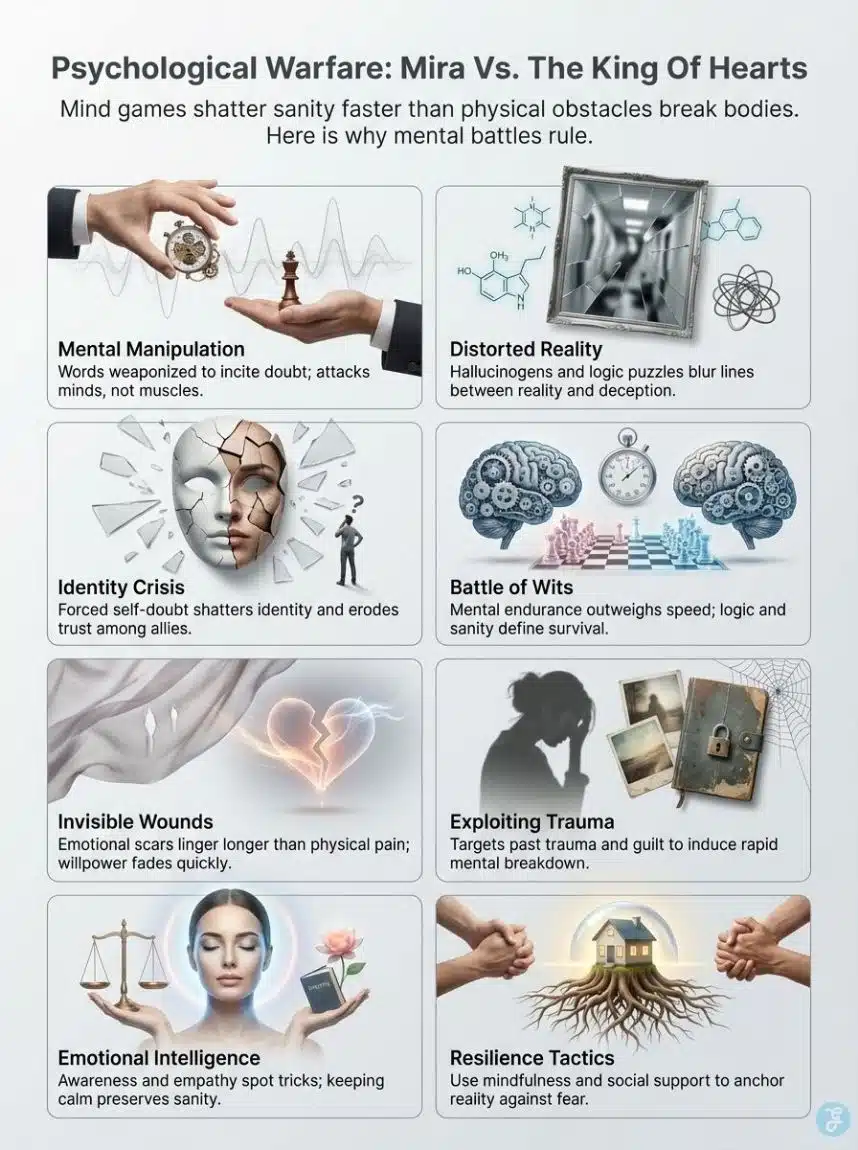
Mira Kano is a psychiatrist by trade, and she weaponizes her training. In Alice in Borderland, she doesn’t attack Arisu’s body; she dismantles his reality. This is a textbook example of Gaslighting, a form of psychological manipulation where the abuser sows seeds of doubt in a targeted individual, making them question their own memory, perception, or sanity.
She throws questions at her opponents that stir up fear, doubt, and trust issues. During the final game, she doesn’t just lie; she mixes truth with fiction so seamlessly that Arisu enters a fugue state.
Mira loves twisting facts and memories to spark an identity crisis among players. She suggests that the entire Borderlands world is an illusion created by Arisu’s trauma over losing his friends Karube and Chota. It’s a brilliant, cruel strategy because it offers him a comforting lie: none of this is real, so you can just give up.
Strategic gameplay here means more than planning moves; it means anchoring yourself to reality when someone is actively trying to cut the rope.
“The cruelest prison is one built by your own mind.” — This sentiment defines the Hearts games. Physical walls can be climbed, but mental walls must be dissolved.
Mira’s role as a master manipulator

Master manipulator fits Mira Kano like a glove. As the Queen of Hearts, she toys with minds and feelings rather than muscles or force. Players do not get bruises on their arms; they get cracks in their trust.
She uses hallucinogenic triggers (often visual or auditory suggestions) to twist every word and action into seeds of doubt. In the show, the tea she serves acts as a ritualistic anchor for her hypnotic suggestions. Her tricks turn teammates against each other faster than you can blink.
Vulnerability exploitation is her favorite game. She pokes at specific fears, like Arisu’s guilt over being the sole survivor, until even strong souls shake with emotional turmoil. She essentially hacks the narrative the characters tell themselves, running narrative control like a puppeteer.
Her use of psychological tactics in the Queen of Hearts game
After seeing Mira’s skill at manipulation, her psychological tactics feel like a twisted magic trick gone wild. She uses a technique known in psychology as “Two Truths and One Lie” but on a lethal scale.
By admitting to small truths (like the futility of the struggle), she gains Arisu’s trust, only to slip in the massive lie that his friends are still alive in the real world. Watching her find Arisu’s guilt and use it against him made me wonder if anyone could stand up to that kind of emotional exploitation for very long.
This is no ordinary card game; it turns your own thoughts into the enemy, making mental endurance matter far more than muscle or speed ever could.
The Jack of Hearts: A Battle of Wits [The True Rival]
While the original text and many fans discuss a “King of Hearts,” the show’s most direct rival to Mira’s psychological dominance is actually the Jack of Hearts, Enji Matsushita. His game, “Solitary Confinement,” is the perfect counterpoint to Mira’s emotional chaos.
Jack does not care how fast you run; he just wants to see if your mind can keep up. Who knew sitting in a chair could make you sweat more than running a mile?
The challenges of the Solitary Confinement game
In this game, players must identify the suit on the back of their own collar every hour. They cannot see it themselves; they must trust others to tell them. It is the ultimate Prisoner’s Dilemma. If everyone cooperates, everyone lives. But if one person lies, they gain power.
Enji Matsushita, posing as a player, dominates this game not through emotion, but through cold, calculated sociopathy. Unlike Mira, who uses hot, emotional manipulation, Enji uses cold logic and betrayal.
Surviving Enji means facing brutal social manipulation at every turn. His strategy relies on the erosion of social trust. He creates an environment where paranoia is the only rational response.
How psychological games differ from physical challenges
After facing the wild twists in these Hearts games, things get murky fast. Physical challenges hurt your body and make you sweat, but at least you know what to do: run, jump, pull, push.
Psychological games hit where there is no armor. Here is how they stack up:
| Feature | Physical Games (Spades/Clubs) | Psychological Games (Hearts) |
|---|---|---|
| Primary Threat | Bullets, Fire, Beasts | Betrayal, Guilt, Madness |
| Required Skill | Stamina, Agility | Emotional Intelligence (EQ), Trust |
| Recovery Time | Days to Weeks | Years to Lifetime |
| Key Example | King of Spades (Survival) | Queen of Hearts (Croquet) |
In these games, willpower fades quicker than muscle strength ever could. Emotional manipulation by someone like Mira or Enji leaves players shaky long after the round ends. Even Arisu leaned hard on Usagi’s support to stay sane when all he wanted was to curl into a ball and quit.
Why Psychological Games Are Harder
Running, jumping, even fighting, those tasks feel easy next to the mental Olympics Mira serves up. A sneaky grin and a few twisted words will ruin your day much faster than a punch ever could.
Mental endurance vs. physical strength
Mental endurance often lasts longer than physical strength, but it is harder to replenish. While muscles burn out, the mind keeps spinning, clinging to every worry and doubt. Mira picks at these weak spots like a crow with shiny keys.
“The Data on Recovery: It isn’t just a feeling; it’s a biological fact. According to a 2023 study by the University of Groningen on elite athletes, psychological recovery (motivation and mood) can take over 300 days to return to baseline after a major setback, whereas physical recovery often takes less than 80 days.”
Physical pain fades after rest or medicine. Emotional hurt lingers much longer, echoing even in silence. I have tried running a mile; my lungs scream, but soon I forgive myself, yet worrying about someone tricking me stays in my head for days.
The impact of emotional manipulation
Physical strength runs out fast, but emotional manipulation leaves deeper scars. Mira does not just break bodies; she shatters trust and exploits every hidden fear. Players start to question friends, doubt their own choices, and sometimes even forget who they are fighting for.
Emotional abuse from someone like Mira can push people into despair quickly. Her tactics use psychological warfare at its finest: confrontation, memory tricks, and turning trauma against her targets.
During one game, a player broke down after Mira twisted his childhood memories right back at him; nobody could help him recover inside that cruel setup. Trust erosion spreads fast, as everyone fears betrayal more than any punch or cut could ever hurt them physically.
The pressure of decision-making under mental stress
Moving from emotional manipulation right into the hurricane of mental stress, things only get trickier. Imagine Mira watching with a smirk as players stew in their own thoughts. The Queen of Hearts game forces players to face not just puzzles but deep fears and old traumas.
Mental endurance gets tested more than muscle here. Every second under pressure adds cognitive load; sweat drips down while hearts thump louder. Players have to act fast, but every move might be the trap that reveals personal vulnerabilities for all to see.
Decision fatigue creeps in; one wrong pick can cost everything. Arisu almost broke when he lost his grip on what was real. Usagi became his lifeline, her emotional support keeping him hanging on during those high-pressure scenarios.
Key Moments in Mira’s Psychological Tactics
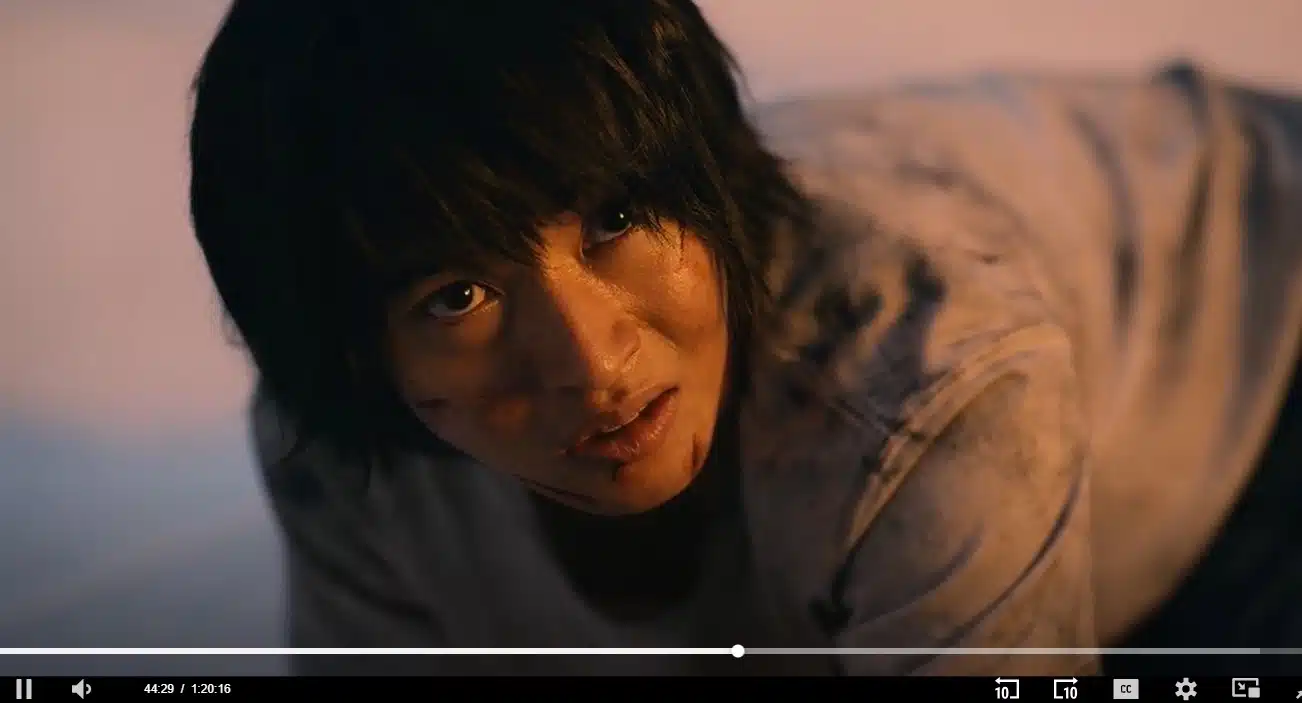
Watch Mira twist the game, bending reality and shattering trust. Her tricks might make you question your own mind, so don’t miss what happens next.
Use of illusions and mind games
Mira uses illusions and mind games to break down her opponents. She creates fake realities, mixing truth with lies until players doubt their own thoughts. In the Queen of Hearts game, she effectively induces a hallucination without using drugs, simply by overwhelming Arisu’s sensory processing.
This is not just a guessing game; fear mixes with confusion as players try to decide what is real. Her favorite trick involves the “False Dilemma”, presenting two bad options (live in guilt or die in peace) while hiding the third option (fight for the future).
Identity feels lost in these games, pushing mental endurance past the breaking point. I once thought running would be harder, how wrong I was! Sitting there, heart pounding, mind racing from every word Mira said… it felt like drowning while standing still.
Breakdown of players’ mental stability
Mental endurance takes a hit fast in these games. The Queen of Hearts does not hand out hugs, but heavy doses of confusion and emotional stress. Hallucinations mix with real fears until players can’t tell the difference between truth and lies.
Psychological manipulation makes every decision feel like walking through quicksand, with every step, you sink further into doubt. Stress induction is at its peak as heart games poke at personal wounds.
Lessons from Psychological Games: Mira vs The King of Hearts
Turns out, surviving mind games with Mira or the Jack of Hearts teaches sharper tricks than any gym workout. Come see which lessons might just save your sanity.
The importance of emotional intelligence
Emotional intelligence works like a secret map in psychological games. Mira tricks players, twisting their minds with lies and illusions. If you spot the trick, you can stop her power over you.
Players who manage strong feelings do better than those who just run on fear or anger. In my experience, Emotional Awareness (EQ) matters more than quick thinking when your mind feels like it is falling apart. Support systems change the game too; even one friend helps keep your head on straight against heavy stress.
Strategies to overcome psychological hurdles
It is tough to get past mental blocks like those in Mira’s games. Minds freeze and hearts pound while stress grows bigger every minute. Here is the survival strategy:
- The Grey Rock Method: Be uninteresting. When facing a manipulator like Mira, give short, boring answers. If you don’t react, they lose their power.
- Box Breathing: Inhale for 4 seconds, hold for 4, exhale for 4, hold for 4. This resets your nervous system when panic sets in.
- Cognitive Reframing: Challenge your own thoughts. When Arisu thought “I killed them,” he had to reframe it to “I am living for them.”
- Build Psychological Resilience: Face small fears each day; this helps stretch your comfort zone bit by bit, not all at once.
- Use Self-Talk: Telling yourself you are strong makes a big difference when all seems lost.
- Motivation Tactics: Set small goals or rewards for staying focused under pressure.
- Conflict Resolution: Talk it out or write things down if confusion becomes too loud inside your mind.
- Find the Humor: Tackle emotional challenges with irony, much like how Mira turned confusion into a weapon.

Final Words: Psychological Games’ Theory
Psychological games tear at your mind, not just your body. These challenges do not need brute force, but they can break even the strongest spirit. Experts in behavioral psychology often point out that these games target self-doubt more than strength or speed. Dr. Lila Andrews, a noted voice in behavioral psychology and game theory, has emphasized that psychological games target self-doubt directly. Her work aligns with real-world findings that stress impacts decision-making centers in the brain, like the prefrontal cortex, causing “analysis paralysis.”
Dr. Andrews explains that psychological games, like those played by Mira, rely on twisting truth and perception. In Alice in Borderland’s final challenge, players face waves of fear because every rule is simple but full of tricks. Such a strategy attacks the mind directly using classic tactics like confusion and false hope.
For safety’s sake, experts warn against glamorizing these stressful contests outside fiction settings like TV shows or books, where viewers are safe from harm. Manipulation without safeguards harms trust between people. She says lessons from Mira versus The King of Hearts fit daily life too well sometimes: Watch out for situations where feelings get twisted around facts or when someone tries to push you toward rash choices using time limits or lies.
The biggest benefit? Psychological games train resilience better than sprints ever could. They teach slow thinking under stress while showing why strong friendships matter most during tough moments.
Dr. Andrews recommends watching Queen of Hearts scenes as examples of true mental battlefields. Here, you see both best and worst outcomes play out because characters fight their own thoughts even more fiercely than their opponents’ moves. Mira vs The King of Hearts proves brains can be stronger, and sometimes crueler, than brawn alone would ever show us.





















