

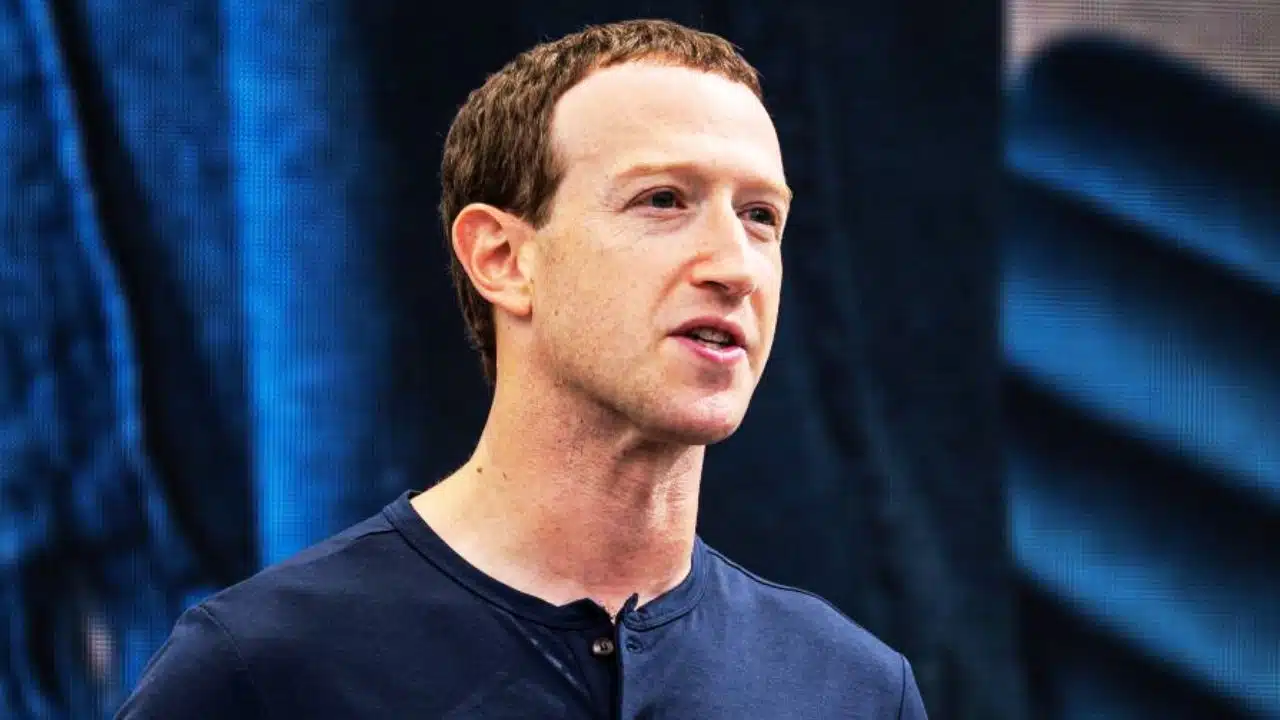
Mark Zuckerberg, CEO of Meta—the parent company of Facebook and Instagram—has made a controversial decision to terminate the company’s fact-checking program. The move has ignited widespread concern, both within Meta and among external observers, over its implications for the spread of misinformation and the integrity of online discourse.
What Happened? Meta Shifts Away from Fact-Checking
On Tuesday, Zuckerberg announced that Meta would be ending its third-party fact-checking initiative. This program, which aimed to combat disinformation across Facebook and Instagram, has been a cornerstone of Meta’s content moderation efforts for years. However, Zuckerberg stated that the company had reached a “cultural tipping point” following the 2024 U.S. presidential election, prompting the need for a new strategy.
Instead of relying on professional fact-checkers, Meta plans to implement a community-driven approach, similar to X’s (formerly Twitter) “Community Notes.” This new system will enable users to add context or corrections to posts that they believe contain inaccuracies, effectively outsourcing content moderation to the platform’s user base.
In his announcement, Zuckerberg explained the rationale behind the change, stating, “It’s time to get back to our roots around free expression.” He acknowledged that while the new program might “catch less bad stuff,” it would also reduce the number of posts and accounts mistakenly removed under the old system.
View this post on Instagram
output:Backlash from Inside Meta
The decision has not gone over well with everyone at Meta. Michael McConnell, co-chair of Meta’s Oversight Board, publicly criticized the move during an interview with NPR, calling it an apparent response to “political pressure.”
“I would have liked to have seen these reforms laid out in less contentious and partisan times,” McConnell said. “Now it looks like they’re caving in because Donald Trump is president again.”
McConnell revealed that neither he nor other members of the Oversight Board were informed about the policy change before it was announced. The Oversight Board, an independent group of experts in law, journalism, and human rights, is tasked with advising Meta on content moderation policies. Their exclusion from the decision-making process has raised eyebrows.
The optics of the shift, according to McConnell, are damaging. “There is really no magic bullet to this problem,” he said, adding that the decision undermines the company’s prior efforts to maintain a balance between free speech and the need to prevent the spread of harmful misinformation.
Criticism from Advocacy Groups
The policy change has also drawn sharp criticism from advocacy groups, especially those focused on protecting vulnerable populations. Critics fear that removing professional oversight from content moderation could lead to an explosion of misinformation, hate speech, and harmful content on the platforms.
Helle Thorning-Schmidt, another co-chair of Meta’s Oversight Board, expressed particular concern about the potential consequences for marginalized communities. In a recent statement, she emphasized that hate speech and disinformation often have real-world consequences, including violence and discrimination.
Advocacy groups have also pointed out that the decision comes at a time when misinformation about critical issues—such as public health, elections, and social justice—remains a pressing concern. By stepping back from its fact-checking responsibilities, Meta could exacerbate these problems, they argue.
Zuckerberg’s Political Connections Under Scrutiny
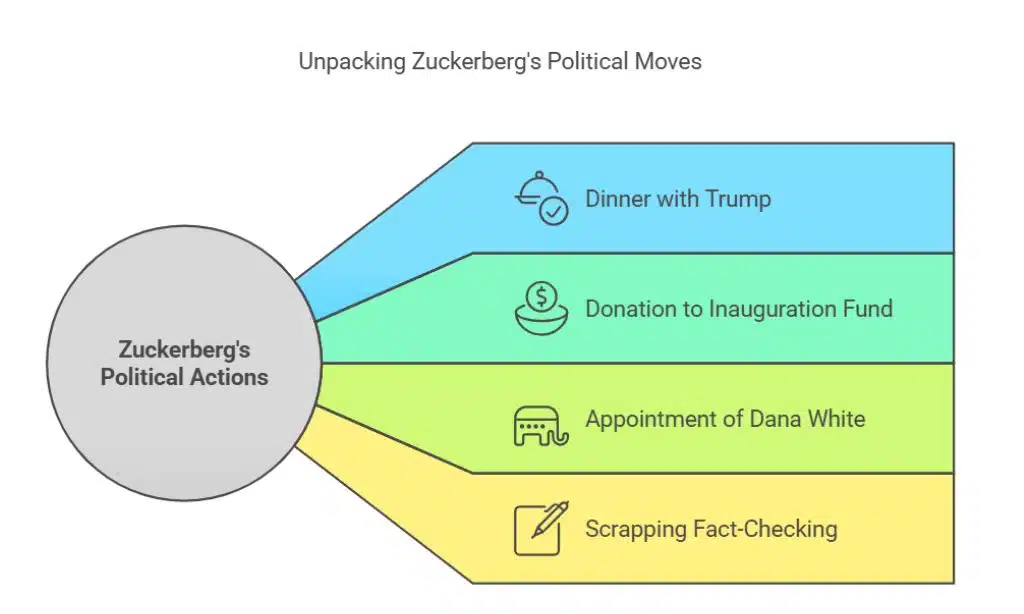
The timing of the announcement has fueled speculation about its political motivations. Zuckerberg has faced criticism for his perceived coziness with President Donald Trump, who won re-election in 2024.
In November, Zuckerberg dined with Trump at Mar-a-Lago, and the Meta CEO later donated $1 million to Trump’s inauguration fund. On Monday, Zuckerberg further raised eyebrows by appointing Dana White, a longtime Trump ally and president of the UFC, to Meta’s board of directors.
These moves have led some to question whether the decision to scrap fact-checking is part of a broader effort to align Meta with Trump’s administration. Political analysts have noted that Trump has frequently criticized social media platforms for alleged bias against conservative viewpoints, making the fact-checking policy a likely target for his administration.
What’s Next for Meta?
As Meta transitions to its new community-based moderation system, the company is facing a critical test. Zuckerberg has framed the change as a necessary step to promote free expression and reduce censorship. However, critics argue that it places too much responsibility on users to police the platform, potentially leading to uneven enforcement and the proliferation of harmful content.
To address concerns about bias, Meta has announced plans to relocate its content moderation teams from California to Texas, a state with a more politically conservative environment. This move is part of the company’s broader strategy to decentralize its operations and rebuild trust with users across the political spectrum.
Public Reactions
The public response to the announcement has been mixed. Free speech advocates have welcomed the move, arguing that it aligns with the principles of open discourse. However, others see it as a step backward in the fight against online misinformation.
For many, the decision highlights the challenges that social media platforms face in balancing free expression with the need for accountability. While Meta’s new approach may reduce instances of accidental censorship, it also raises questions about the company’s commitment to combating harmful content.
The Role of Social Media in Modern Society
Meta’s decision comes at a time when social media platforms are under intense scrutiny for their role in shaping public discourse. From election interference to the spread of conspiracy theories, platforms like Facebook and Instagram have been criticized for failing to address the darker aspects of their influence.
By shifting away from professional fact-checking, Meta is taking a gamble. While the new system may empower users, it also risks leaving critical issues unchecked. Whether this approach will succeed in fostering a healthier online environment remains to be seen.
For now, the world will be watching closely as Meta implements its new policies, navigating the complex intersection of technology, politics, and free speech.





















