

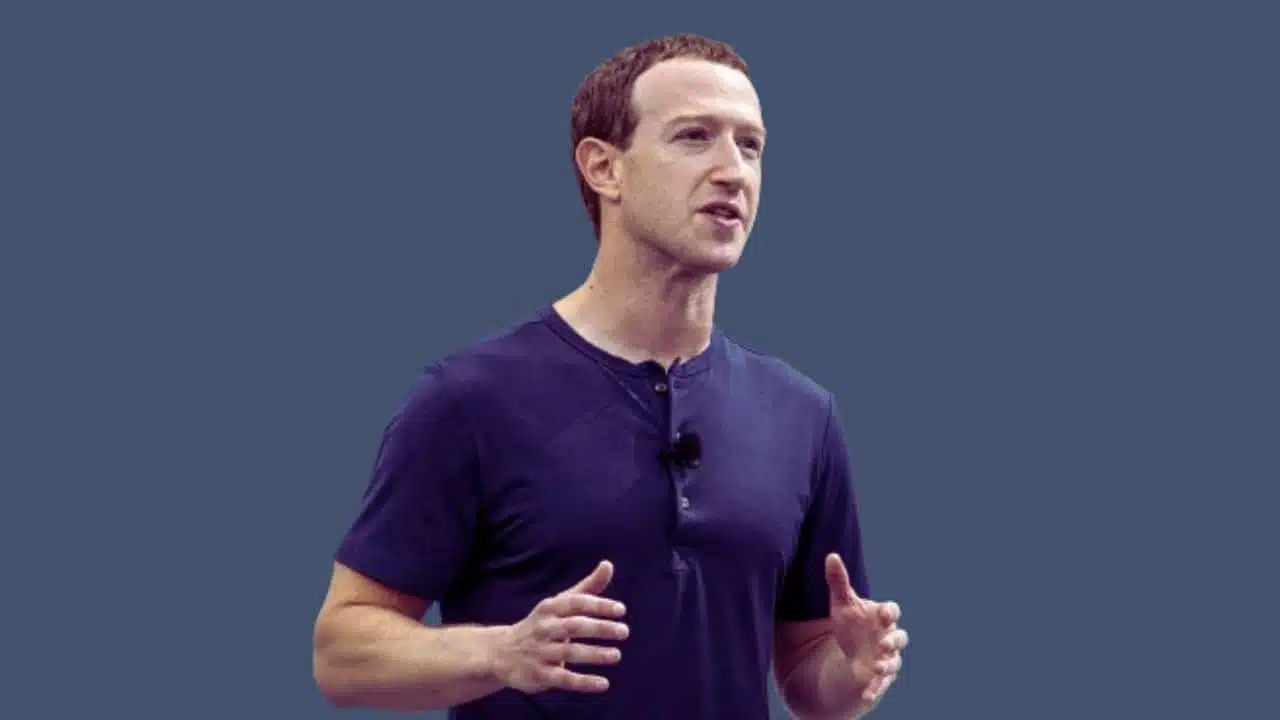
Mark Zuckerberg, the CEO of Meta and the founder of Facebook, is making headlines once again, but this time not for his technology ventures. Instead, it’s his sprawling Hawaiian property on the island of Kauai that has drawn public attention and speculation. Recent reports, including an in-depth investigation by Wired, have shed light on an extensive 1,400-acre estate that Zuckerberg has been developing. Central to this story is a 5,000-square-foot underground structure, described by some as a “shelter,” while others speculate it to be a high-tech “doomsday bunker.”
In a recent interview with Bloomberg, Zuckerberg addressed the swirling rumors and offered a glimpse into what this controversial space is—and isn’t. Here’s a detailed breakdown of the story, the community’s response, and its broader implications.
What We Know About the Hawaii Estate
Zuckerberg’s property, known as Ko’olau Ranch, spans an impressive 1,400 acres. Located on the north shore of Kauai, the estate has been under development for several years. According to Wired, the project includes a mix of residential buildings, operational facilities, and underground structures. Here are some key features of the estate:
The Main Residences
The estate boasts two massive mansions with a combined total of 57,000 square feet of living space. These homes are said to include luxurious amenities such as:
- Multiple bedrooms and bathrooms
- A gym
- Swimming pools
- A sauna
- A hot tub and cold plunge pools
- A tennis court
These structures are designed to provide a lavish and comfortable lifestyle, surrounded by Kauai’s natural beauty.
The Underground Structure
The centerpiece of the speculation is a 5,000-square-foot underground space. While many have described it as a bunker, Zuckerberg downplayed its significance in a recent interview. “It’s like a basement,” he told Bloomberg’s Emily Chang. He added that the space was designed for practical use, potentially as a storage or hurricane shelter.
However, reports from Wired suggest that the structure may be more than just a simple basement. The underground facility reportedly includes:
- Blast-resistant doors made of metal and concrete
- An escape hatch accessible by a ladder
- Separate energy and water supplies
- Stockpiles of food and other necessities
Other Structures on the Property
In addition to the main residences and the underground shelter, the estate reportedly includes:
- Over a dozen additional buildings, including guest houses and staff accommodations
- Rope bridges and disk-shaped treehouses scattered across the property
- A 55-foot-diameter water tank for sustainable water use
- Organic farming operations, including ginger and turmeric crops
- Livestock such as cattle and horses
These features highlight Zuckerberg’s commitment to creating a self-sufficient estate, capable of supporting long-term habitation.
Speculations About a Doomsday Bunker
The underground structure has been the subject of much speculation. Given its size and reported features, some believe it to be more than just a storage or storm shelter. Anonymous sources who worked on the project told Wired they speculated that the space might be a “post-apocalyptic bunker” or even part of a “vast underground city.”
Further fueling these rumors is the level of secrecy surrounding the construction. All workers involved in the project, from painters to carpenters, were reportedly required to sign strict nondisclosure agreements. Construction crews were even kept separate, with employees forbidden from speaking to those on other teams. This level of confidentiality is uncommon in typical construction projects, adding to the air of mystery.
Zuckerberg’s Response to the Speculations
In his interview with Bloomberg, Zuckerberg dismissed the idea of the underground space being a “doomsday bunker.” He insisted that it was a simple, functional space akin to a basement. “It’s just a little shelter,” he said, implying that the rumors had been exaggerated.
However, the features described in reports, such as blast-resistant doors and self-sustaining resources, make it difficult for some to accept this explanation at face value.
The Broader Trend: Bunkers Among the Ultra-Wealthy
Zuckerberg is not the only high-profile figure rumored to have invested in underground shelters. Over the years, reports have surfaced about other billionaires building similar facilities:
- Bill Gates is said to have underground spaces beneath many of his homes, equipped for emergencies.
- Elon Musk has also been rumored to have constructed underground tunnels and facilities.
The trend of building such shelters reflects a growing concern among the ultra-wealthy about global instability, including potential economic collapse, pandemics, or climate-related disasters. These structures are often equipped with state-of-the-art security systems, sustainable energy sources, and stockpiles of essential supplies.
Community and Environmental Concerns
The development of Zuckerberg’s property has not been without controversy. Many local residents and indigenous groups in Kauai have raised concerns about its impact on the environment and the island’s cultural heritage. Critics argue that such large-scale developments contribute to the erosion of local traditions and exacerbate land ownership issues in Hawaii, where a significant portion of the land is already controlled by a small number of wealthy individuals.
Despite these criticisms, Zuckerberg and his wife, Priscilla Chan, have made efforts to give back to the community. Since 2018, they have donated over $20 million to local nonprofits and environmental initiatives. However, these contributions have done little to assuage the concerns of some residents.
Why the Public Is Fascinated
The story of Zuckerberg’s Hawaii property taps into a broader fascination with the lifestyles of the ultra-wealthy. The idea of private bunkers and self-sufficient estates resonates with public anxieties about global crises. At the same time, it raises ethical questions about wealth disparity and the responsibilities of billionaires in addressing global challenges.
As construction on Zuckerberg’s estate continues, it remains to be seen how the project will evolve and whether the billionaire will address the ongoing concerns of the Kauai community. For now, the underground structure remains a symbol of both public fascination and controversy, encapsulating the complex dynamics of wealth, privacy, and responsibility in the modern age.





















