
In today’s fast-paced world, it’s easy to feel overwhelmed, stressed, or disconnected. Mental health practices play a crucial role in helping you stay grounded, fostering a sense of calm, balance, and well-being.
By incorporating daily habits and mindfulness techniques, you can enhance your mental resilience, manage stress effectively, and stay connected to the present moment.
In this guide, we will explore 10 mental health practices that can help you stay grounded, providing you with practical tips for improving your emotional and mental well-being.
Why Grounding Practices are Essential for Mental Health?
Grounding is a mental health technique that helps you remain present and connected to your body and the world around you.
It involves using mental, physical, and emotional tools to refocus your attention away from stressors or overwhelming emotions, bringing you back to a state of calm and control.
Benefits of Staying Grounded
- Reduced Anxiety: Grounding practices can lower anxiety levels by helping you focus on the present rather than worrying about the future.
- Improved Emotional Regulation: These practices provide tools to manage and balance emotions, helping you respond rather than react to stressful situations.
- Enhanced Self-Awareness: Staying grounded helps you become more in tune with your thoughts and feelings, which is essential for emotional intelligence and well-being.
1. Practice Mindful Breathing
Mindful breathing is one of the simplest yet most effective techniques for staying grounded. By focusing on your breath, you can calm your mind and body, reducing stress and anxiety almost instantly.
Mindful breathing encourages you to slow down and become fully aware of the present moment.
How to Practice Mindful Breathing
- Find a Quiet Space: Sit in a comfortable position in a quiet area.
- Focus on Your Breath: Take slow, deep breaths through your nose, and feel the air fill your lungs. Exhale slowly through your mouth, focusing on the sensation of your breath.
- Use Counting: To enhance focus, count to four as you inhale, hold for four, and exhale for four. Repeat this cycle several times until you feel calmer.
Benefits of Mindful Breathing
- Instant Stress Relief: Mindful breathing lowers your heart rate and promotes relaxation.
- Increased Focus: Helps redirect your attention away from distractions and back to the present.
- Emotional Regulation: Reduces emotional reactivity by creating a pause between thoughts and actions.
2. Engage in Physical Grounding Techniques
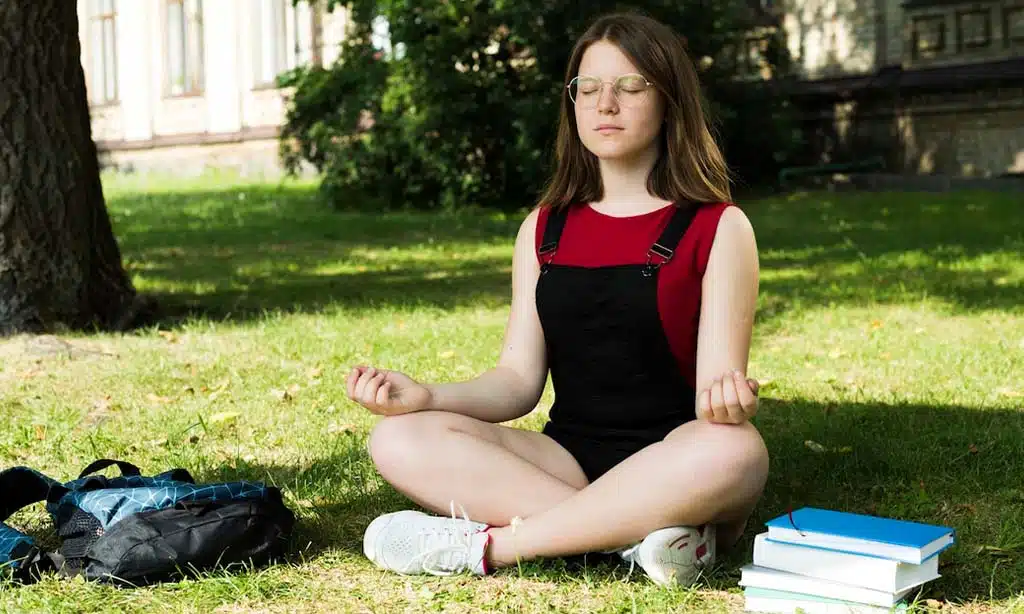
Physical grounding techniques involve using your senses to bring awareness to your body and surroundings. These practices help break the cycle of rumination, anxiety, or stress by anchoring your attention in the physical present.
Physical Grounding Techniques to Try
- 5-4-3-2-1 Technique: Focus on your senses by naming five things you can see, four things you can touch, three things you can hear, two things you can smell, and one thing you can taste.
- Feel the Ground: Walk barefoot on grass, sand, or any natural surface to reconnect with the earth and increase mindfulness.
- Touch Cold Water: Splash cold water on your face or hold an ice cube to stimulate your senses and ground yourself in the moment.
3. Incorporate Daily Meditation
Meditation is a powerful practice that helps quiet the mind and enhances self-awareness. By meditating regularly, you train your brain to focus and stay present, which can help reduce anxiety, manage stress, and improve emotional resilience.
Simple Meditation Techniques for Grounding
- Body Scan Meditation: Focus on each part of your body, starting from your toes and working up to your head, noticing any tension or sensations. This helps bring awareness to your physical state and promotes relaxation.
- Guided Meditation: Use apps or online resources for guided meditation sessions, where a teacher or recording leads you through visualization and mindfulness exercises.
- Focused Breathing: During meditation, focus entirely on your breath. Observe how your body moves with each inhale and exhale, without trying to control it.
4. Create a Daily Gratitude Practice
Practicing gratitude is a simple yet powerful way to shift your focus from stress and negativity to positive aspects of your life. It helps reduce feelings of anxiety, depression, and discontent by fostering a sense of appreciation for the present.
How to Start a Gratitude Practice
- Gratitude Journaling: Each day, write down three things you are grateful for. They can be small (a good cup of coffee) or significant (support from loved ones).
- Morning Gratitude Routine: Start your day by reflecting on something you’re thankful for before jumping into your routine.
- Verbalize Your Gratitude: Throughout the day, express gratitude to others by thanking them for their support, kindness, or presence in your life.
5. Set Healthy Boundaries
Setting healthy boundaries is crucial for protecting your emotional and mental well-being. When you establish clear limits with others—whether it’s in your personal, work, or social life—you reduce stress, prevent burnout, and protect your energy.
Tips for Setting Effective Boundaries
- Be Clear and Direct: Communicate your needs clearly without guilt or apology. For example, if you need personal time after work, let your family or friends know.
- Say No When Necessary: Learn to say no to additional responsibilities or requests that may overwhelm you. Protect your time and energy.
- Follow Through: Stick to the boundaries you’ve set. Consistency shows others that you are serious about maintaining your personal limits.
6. Practice Grounding Through Nature
Spending time in nature is a natural way to ground yourself and disconnect from stressors. Research shows that being in natural environments reduces cortisol levels (the stress hormone), calms the mind, and improves overall mental well-being.
Ways to Ground Yourself in Nature
- Take Walks in Green Spaces: Regular walks in parks, forests, or along a beach can help reduce mental fatigue and boost your mood.
- Practice Earthing: “Earthing” or “grounding” involves walking barefoot on natural surfaces like grass or sand to absorb the earth’s energy, helping you feel more connected and centered.
- Gardening: Tending to plants allows you to connect with the earth, engage your senses, and promote mindfulness.
7. Stay Connected with Supportive People
Positive social relationships are essential for mental health and staying grounded. Support from friends, family, or a community helps you navigate stressful situations, provides emotional outlets, and keeps you grounded in your sense of belonging.
How to Build and Maintain Supportive Connections
- Prioritize Quality Time: Spend regular time with people who support you emotionally and listen without judgment.
- Join Support Groups: If you’re struggling, consider joining mental health or emotional support groups, where you can connect with others facing similar challenges.
- Limit Negative Interactions: Protect your mental health by limiting contact with individuals who cause stress, drama, or emotional exhaustion.
8. Engage in Creative Activities

Creative activities like drawing, painting, writing, or playing music provide a mental outlet that can reduce stress and improve emotional health. Engaging in creative expression helps you stay grounded by offering an enjoyable and therapeutic distraction from daily stressors.
Ways to Incorporate Creativity into Your Routine
- Set Aside Time for Art: Schedule creative time into your daily or weekly routine to unwind and express yourself.
- Try Journaling: Writing can help you process your thoughts and emotions, making it an effective grounding tool.
- Explore New Creative Hobbies: Try new creative hobbies like photography, crafting, or cooking to keep your mind engaged and present.
9. Limit Screen Time and Digital Overload
Excessive screen time—whether from smartphones, computers, or TVs—can lead to mental fatigue, anxiety, and emotional disconnection. Reducing screen time helps you refocus on the present, stay mindful, and improve your overall mental clarity.
How to Limit Screen Time
- Set Screen Time Limits: Use apps or built-in phone features to track and limit your daily screen time, especially on social media.
- Take Digital Breaks: Schedule time during the day to disconnect from screens and focus on offline activities.
- Establish Screen-Free Zones: Designate areas like your bedroom or dining area as screen-free zones to encourage more mindful interactions and relaxation.
10. Develop a Regular Sleep Routine
A consistent sleep routine is one of the most important factors in maintaining mental clarity, emotional balance, and physical health. Poor sleep can lead to increased stress, anxiety, and difficulty focusing, making it harder to stay grounded.
Tips for Improving Your Sleep Routine
- Set a Regular Bedtime: Aim to go to bed and wake up at the same time every day, even on weekends. A consistent sleep schedule helps regulate your body’s internal clock.
- Create a Relaxing Pre-Sleep Routine: Engage in calming activities before bed, such as reading, stretching, or listening to soothing music. Avoid stimulating activities like watching TV or scrolling through your phone.
- Optimize Your Sleep Environment: Make your bedroom conducive to sleep by keeping it dark, quiet, and cool. Consider using blackout curtains, white noise machines, or comfortable bedding to improve sleep quality.
Conclusion: Building a Foundation for Mental Wellness
Staying grounded is essential for maintaining mental and emotional well-being in a world filled with distractions and stress.
By incorporating these 10 mental health practices, such as mindful breathing, meditation, physical grounding techniques, and spending time in nature, you can create a foundation of resilience, clarity, and calm.
Each practice offers unique benefits, from reducing anxiety to improving sleep and emotional regulation. The key is to make these practices part of your daily routine, helping you stay centered even during challenging times.
With these tools, you’ll be better equipped to manage stress and maintain a sense of balance, no matter what life throws your way.