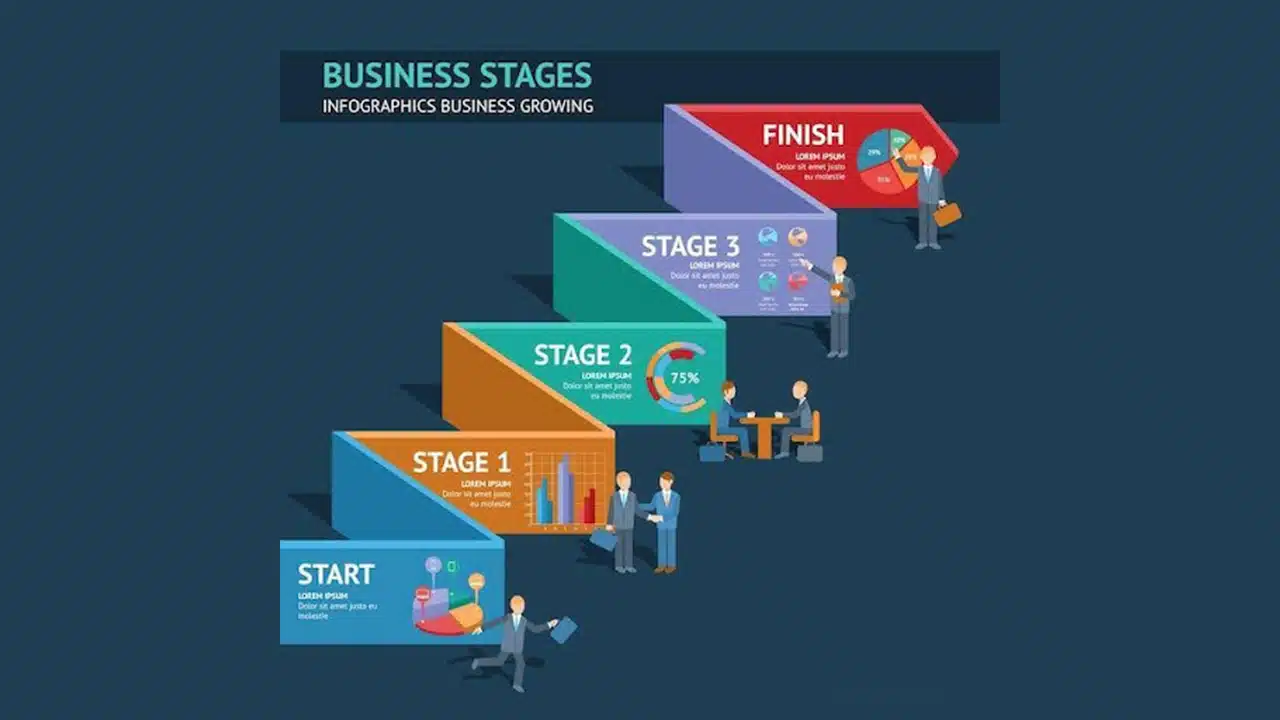
Starting a business is an exciting and rewarding journey, offering opportunities for financial independence, personal growth, and community impact. Whether you’re passionate about construction, technology, food services, or retail, having a clear plan is crucial to navigating the challenges of entrepreneurship.
Choosing the right niche, planning effectively, and executing precisely can set the foundation for a thriving enterprise.
For instance, if you plan to open and own a roofing business, you’ll tap into a key construction segment that offers consistent demand. Homeowners and property managers always need reliable solutions for repairs, replacements, or new installations. Similarly, other industries have niches that promise steady growth for entrepreneurs with the right approach.
In this guide, we’ll explore the essential steps to launching and managing a business, including niche selection, financing, franchising opportunities, and strategies for sustainable growth.
Choosing Your Niche
One of the first steps to establishing a successful business is deciding your area of focus. Every industry has niches that cater to specific needs, such as specialized food services, sustainable products, tech solutions, or health and wellness offerings. Choosing a niche allows you to target a particular audience, develop expertise, and stand out in the marketplace.
Start with market research to assess demand and competition in your chosen area. For example, urban areas may see rising demand for eco-friendly products, while rural regions might benefit from logistics and delivery services. Understanding local needs and consumer behaviour can help you identify opportunities that align with your skills and interests. Specializing in a niche also enables better marketing and branding.
Developing a Business Plan
Every successful business starts with a well-thought-out plan. A business plan serves as your blueprint, guiding decisions and preparing you for challenges. Begin by setting clear short-term and long-term goals and defining your mission.
Identify your target audience and determine how your business will serve their needs. For example, if you’re entering the food industry, consider whether you want to target busy professionals with healthy meal options or families seeking comfort foods.
Your financial plan is a critical component of your business plan. Outline your initial costs, projected revenues, and profit margins. These calculations should include expenses like equipment, permits, and marketing efforts. A strong business plan can also be essential when seeking funding from investors or lenders.
Financing Your Business
Launching a business requires capital to cover startup costs such as equipment, inventory, licensing, and employee salaries. While some entrepreneurs use personal savings, many rely on external funding options like business loans, grants, or partnerships.
Understand your financial needs and create a detailed budget to allocate resources effectively. For example, a tech startup may need software development and cloud storage funds, while a retail store might prioritize inventory and storefront setup. A clear financial plan can help you avoid overspending and ensure smooth operations.
Considering Franchising as a Startup Option
For aspiring entrepreneurs, franchising offers a unique opportunity to start a business with a proven model. Instead of building a brand from scratch, franchising allows you to operate under an established name with existing recognition and support. This can significantly reduce the risk associated with starting a new business.
When exploring franchise options, choose one that aligns with your skills and interests. For example, a restaurant franchise could be a great fit if you enjoy hospitality. If you’re passionate about fitness, consider investing in a gym franchise.
Franchises typically provide training, marketing support, and access to established supply chains, making them ideal for first-time entrepreneurs. However, before committing, thoroughly review the franchising agreement to understand the costs, obligations, and restrictions.
Getting Licensed and Ensuring Legal Compliance
Legal compliance is essential when starting a business. Register your business with the appropriate authorities and choose a structure that suits your needs, such as a sole proprietorship, partnership, or limited liability company (LLC).
Depending on your industry, you may need specific licenses or permits to operate. For instance, a construction business needs permits for building projects. Research your local regulations to avoid penalties or delays.
Obtaining insurance is also crucial. General liability insurance, workers’ compensation, and property coverage protect your business from unforeseen events, providing you and your client’s peace of mind.
Building Your Team and Securing Resources
The success of your business depends on the people and tools you use. Start by determining the equipment and resources necessary for your operations. While some businesses require specialized tools, others may need reliable software or technology. Leasing equipment can be a cost-effective solution for startups.
Hiring skilled employees is equally important. Build a team that shares your vision and values. Invest in training programs to ensure your workforce is competent, motivated, and aligned with your goals. A strong team is an asset that drives productivity and client satisfaction.
Marketing and Growing Your Business
Effective marketing is essential for attracting clients and growing your business. Develop an online presence through a professional website and active social media profiles. Showcase your services, share customer testimonials, and highlight your expertise.
Search engine optimization (SEO) can help your website rank higher in local search results, making it easier for potential customers to find you. Social media platforms are valuable tools for engaging with your audience and building relationships.
Word-of-mouth marketing remains a powerful way to gain trust and referrals. Encourage satisfied customers to share their experiences and offer incentives for referrals. Strong relationships with suppliers, contractors, and clients are vital for long-term growth. Reliable partnerships ensure consistent quality and build trust within your network.
Prioritizing Quality and Customer Service
A strong reputation is key to business success. Delivering high-quality products or services and maintaining excellent customer relationships will help your business stand out. Timeliness, transparency, and post-sale support contribute to customer satisfaction and loyalty.
Takeaways
Launching a successful business requires careful planning, financial preparation, and a commitment to excellence. By choosing a niche that aligns with your strengths and market demand, creating a robust business plan, and exploring options like franchising, you can build a solid foundation for growth.
Focusing on quality can help your business thrive in a competitive marketplace. Dedication, adaptability, and a customer-first approach will ensure long-term success, making your entrepreneurial journey both fulfilling and profitable.