

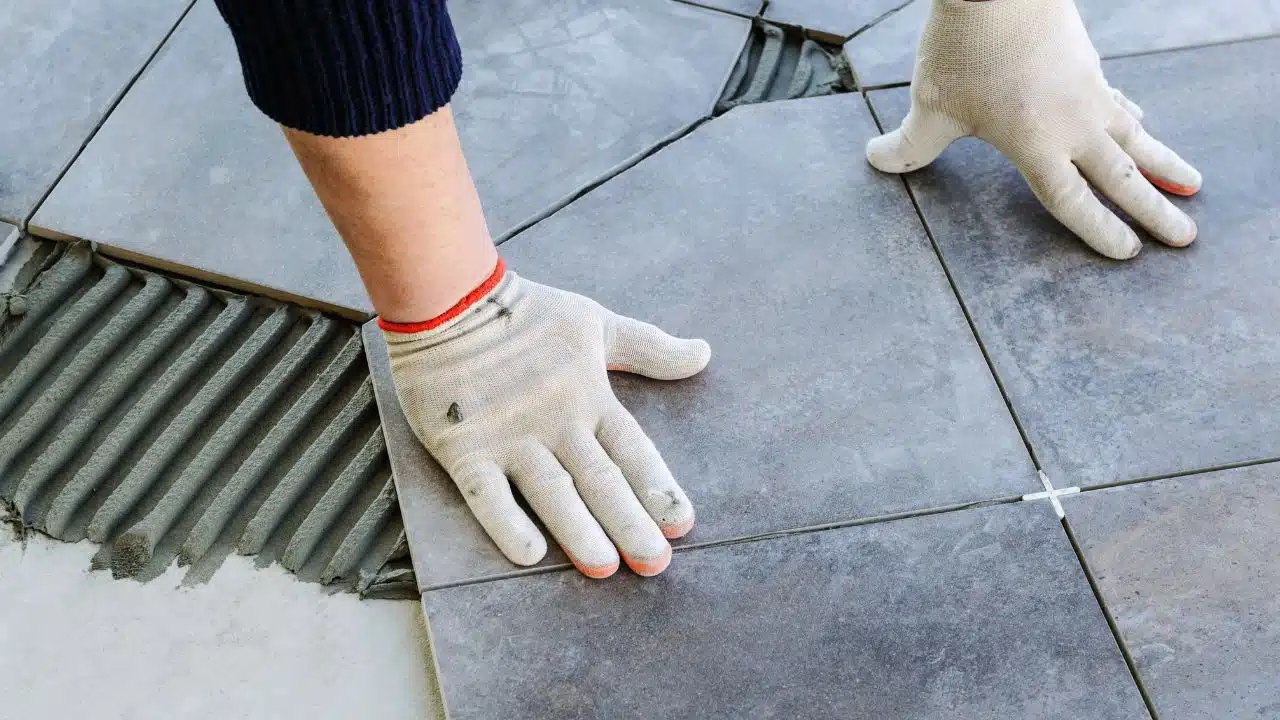
Choosing the right tile adhesive is crucial for a durable, long-lasting installation. Whether for a home renovation or a commercial project, the adhesive impacts tile longevity and structural integrity.
It must suit the tile type, substrate, and environmental conditions for optimal bonding. This article provides nine key factors that ensure you will have an aesthetically pleasing and structurally sound result.
1. Tile Type and Material Compatibility
Tiles have varying porosity and weight, influencing adhesive selection. Ceramic tiles suit standard adhesives, while porcelain requires stronger bonding due to low porosity. Natural stone, like marble, needs stain-resistant adhesives with strong adhesion. Glass tiles demand flexible, high-bond adhesives for their smooth, non-porous surface. Always check manufacturer recommendations for compatibility.
2. Substrate and Surface Preparation
The substrate’s condition and type significantly impact adhesive selection. Concrete and existing tiles each require specific adhesives. A clean surface ensures better adhesion, reducing the risk of tile detachment. Cement-based adhesives suit concrete and masonry, while specialized adhesives work for wood and drywall. For substrates prone to movement, flexible adhesives prevent cracking and lifting.
3. Environmental Conditions and Location
Indoor and outdoor installations have different requirements due to temperature and exposure variations. Exterior adhesives must be weather-resistant and withstand temperature fluctuations. High-moisture areas like bathrooms require waterproof, mold-resistant adhesives for durability. Heated flooring systems need adhesives with thermal flexibility to accommodate expansion and contraction.
4. Adhesive Strength and Flexibility
Keep in mind that the strength and flexibility of tile adhesive determine its ability to resist foot traffic. High-traffic areas, like commercial spaces, require adhesives with strong bonding and durability. Flexible adhesives absorb slight building movements, preventing tile cracks. When tiling over substrates prone to expansion, such as wooden floors, flexible adhesive reduces the risk of displacement and damage.
5. Setting Time and Workability
Quick-setting adhesives enable faster installation and reduce downtime, ideal for time-sensitive tasks. But, for complex designs requiring adjustments, adhesives with extended open times are preferable. Workability is crucial; an easy-to-apply adhesive minimizes waste. Furthermore, choosing an adhesive with the right balance of setting time and workability enhances efficiency and project quality.
6. Compatibility with Tile Size and Weight
Larger and heavier tiles require high-bond adhesives to prevent slipping and ensure secure attachment. Standard adhesives may not provide sufficient grip, leading to improper bonding and potential failures. Specialized adhesives for large tiles offer better adhesion, especially in vertical applications where non-slip adhesives are crucial. Considering tile weight and size ensures a stable, long-lasting installation.
7. Cost and Availability
While premium adhesives have higher upfront costs, these often offer better durability and performance, reducing long-term maintenance expenses. Also, ensuring availability prevents project delays, and choosing reputable brands with reliable supply chains avoids shortages and quality inconsistencies. Balancing cost, performance, and availability leads to a cost-effective, reliable choice.
8. Safety and Environmental Impact
Remember, adhesives vary in environmental impact and safety features. Choosing low-VOC adhesives is beneficial for indoor air quality. Environmentally-friendly adhesives made with natural or recyclable materials may contribute to more sustainable construction practices. Always prioritize health and safety when selecting an adhesive, ensuring minimal environmental impact while maintaining effectiveness.
9. Application Method and Tools
Different adhesives require specific application methods and tools to achieve the best results. Some adhesives are spread with a notched trowel, while others may need a roller or brush for even coverage. The application method affects the adhesive’s bonding strength and the ease of installation. Ensure the correct tools are used for the chosen adhesive to guarantee optimal performance.
Strong Bonds, Lasting Beauty!
Selecting the right tile adhesive involves considering multiple factors, including tile type, substrate condition, environmental exposure, adhesive strength, and workability. Understanding these elements helps in choosing the best adhesive for a project, ensuring a durable and long-lasting installation. By prioritizing quality and compatibility, professional results enhance the functionality of tiled surfaces.





















