Many people watch a package and worry about delays or spoilage. Their last-mile delivery still breaks, and cold chain gaps let fresh food rot. Japan fights these gaps with IoT, AI, and big data.
Its smart logistics market hit 278.6 billion dollars in 2024.
This post shows how leading freight forwarders like Nippon Express and Yamato Holdings link drone services, digital twin systems, and cold chain hubs to speed supply chains and cut waste.
You will get real tips you can use in your own network. Find out how.
Key Takeaways
- Japan’s smart logistics market was $278.6 billion in 2024 and should grow to $443.6 billion by 2030 at 8.1% per year.
- Nippon Express, Yamato Holdings, and Yusen Logistics use IoT sensors, AI route planning, drones, digital twins, and robots to speed delivery and cut waste.
- Cold chain hubs at Kansai and Chubu airports track fresh food and medicine with IoT and AI, use solar power, and run last-mile electric trucks.
- Seino Holdings and KDDI SmartDrone share data on a public-private platform that uses blockchain, sets common standards, and links rail routes to ease labor gaps.
- The Regional Comprehensive Economic Partnership and other free trade pacts help spread Japan’s green and cold chain logistics methods worldwide.
Defining Smart Logistics: Technology, Integration, and Efficiency
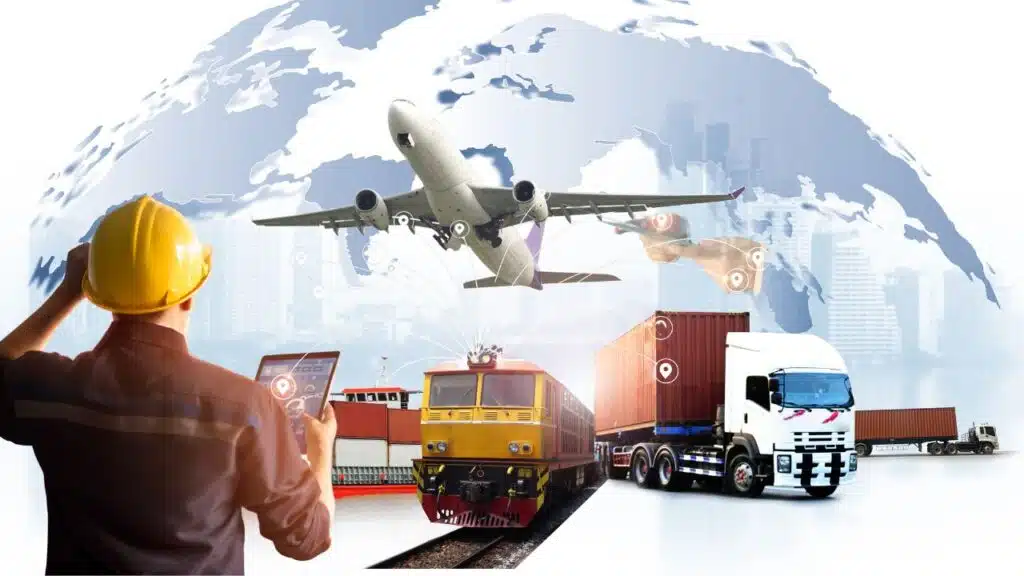
Smart logistics links digital transformation with tight integration and high efficiency. It cuts through bottlenecks like a sushi knife. Japanese firms build digital twin models to map warehousing and transport routes.
They test these models before shipping via Narita International Airport or rail. Sensors powered by the internet of things feed big data analytics with real-time updates on freight.
AI route planning and automated guided vehicles slash delivery times and trim costs.
Cold chain logistics teams track frozen foods and fresh produce at each step with sensors that talk back to central hubs. They aim for carbon neutrality by 2050, so they power distribution centers with solar panels and deploy electric trucks for last mile delivery.
Nippon Express and Yusen Logistics lead in supply chain management with smart logistics solutions that blend renewable energy and digital tools. This mix boosts resilience, extends shelf life, and meets strict food safety rules.
Key Trends Transforming Japan’s Logistics Sector
Shops and factories link sensors, robots, and cloud networks to track all freight. The system uses IoT in delivery vans and big data in warehouses. SmartDrone Tools by KDDI runs remote drones for last-mile delivery.
Nippon Express and Yusen Logistics rely on artificial intelligence to predict demand. Warehouse robots zip parcels to planes at Kansai Airport and Central Japan Airport.
Firms add electric vans and biofuel trucks to cut emissions. Carbon neutral by 2050 remains the top environmental goal. The New Smart Logistics scheme combines public and private ventures to fight staffing gaps.
It funds new road networks and automated docks. The market will jump from 278.6 billion dollars in 2024 to 443.6 billion by 2030, based on an 8.1% yearly gain. This surge shapes global rules for cold chain logistics and greener technologies.
Digital Transformation and Automation
Japan drives digital transformation with AI, IoT, and big data to boost supply chain flow. A digital twin platform lets teams test tweaks before they go live. A nationwide smart logistics platform links warehouses, carriers, and shippers.
Autonomous mobile robots and automated guided vehicles speed order picking in mega hubs. Blockchain technology locks in each handoff, it cuts paperwork delays.
AI-driven route optimization reduces transportation costs and improves delivery speed. IoT sensors stream location and temperature readings to remote servers. Teams analyze data in real time and adjust plans at the drop of a hat.
This tight link between machines and managers powers smart logistics solutions across Japan.
Refrigerated and Fresh Logistics Innovations
Yamato Holdings and Nippon Express build cold chain logistics hubs at Kansai International Airport and Chubu Centrair International Airport. AI and IoT sensors monitor humidity in cold storage.
Drone delivery moves ready meals and medicines fast. Automation speeds up sorting at warehouses, like a bullet train. Big Data platforms link suppliers and freight forwarders.
Electric trucks slash emissions on urban runs. Eco-friendly packaging trims waste in fresh food carriages. Companies tap solar power for cooling at warehouses. These green moves match projected market growth for food, cosmetics, and health care shipments.
These smart logistics solutions lift environmental sustainability in refrigerated logistics services.
Collaboration and Standardization Initiatives
Seino Holdings leads a push for Team Green Logistics and Open Public Platform, so firms like Nippon Express and Yusen Logistics share real time data, cut waste, track shipments with IoT sensors.
Blockchain links partners, it locks data like a sturdy vault, it stops tampering and fraud. Digital twin models let teams test new rail systems or micro hubs, plan better routes, and it taps big data for forecasting.
Shared guidelines cover freight forwarding, cold chains and refrigerated cargo, so firms sync practices on documentation and packaging.
National smart logistics platforms unite carriers, retailers, e-commerce platforms and drone service firms like KDDI SmartDrone under one system, it boosts compliance with shared methods, cuts friction, shares cost details.
AMRs and AGVs join human crews in warehouses and fulfillment centers to sort, pack and tally inventory, they obey the same standards so any team can step in without delay. AI route tools shave hours off delivery, trucks ride high speed rail, lines link Tokyo, Osaka and Nagoya under the regional comprehensive economic partnership pacts.
Common playbook firmed cost data, sped goods, supported cold chain logistics for frozen foods, vaccines and cosmetics.
Real-World Examples: Smart Logistics Projects and Market Leaders
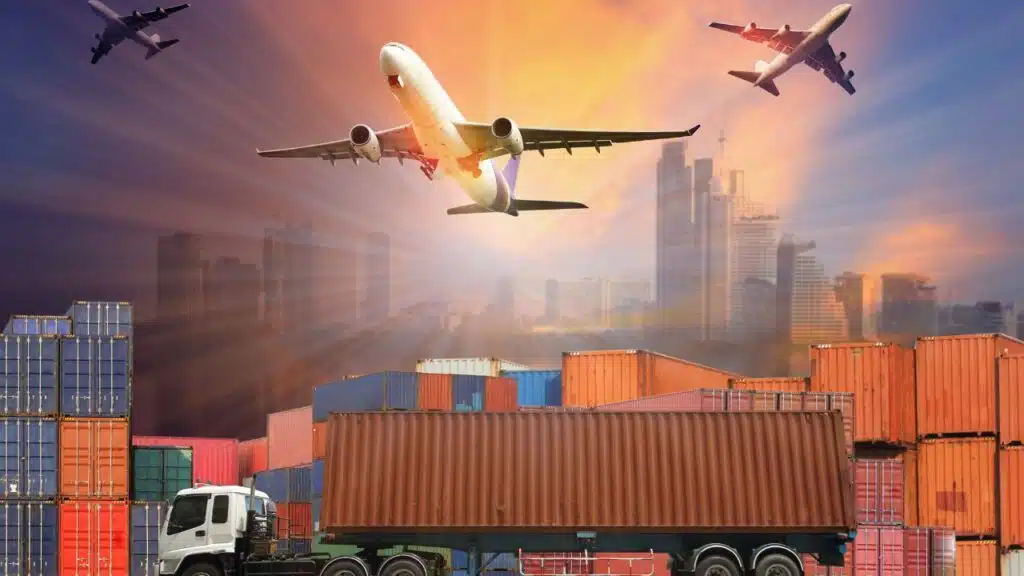
Smart carriers across Japan lead with bold pilots. They show how IoT (internet of things), AI, and big data redefine cold chain logistics.
- Nippon Express drives digital transformation with IoT sensors and AI. It tracks containerized cargo and boosts delivery speed.
- Yamato Holdings powers its TAKKYUBIN service with robots and electric vans. It cuts emissions in small-parcel logistics.
- Kintetsu World Express crafts a digital freight hub under the physical internet model. It taps big data for smoother trade in RCEP markets.
- Sagawa Express outfits refrigerated trucks with remote sensors and cloud links. It guards frozen foods and fresh goods under strict cold chain protocols.
- Yusen Logistics fits warehouses with photovoltaics and eco gear for environmental sustainability. It rolls out climate-resilient cold chain logistics across Asia.
- SkyHub pairs drone flights with EV ground crews for fast last-mile runs. It uses internet of things networks and AI analytics to route parcels.
How Japan’s Model is Influencing Global Logistics Standards
Japan’s market valued at $278.6 billion in 2024, and set to hit $443.6 billion by 2030, with a CAGR of 8.1 percent. That growth spurs digital transformation, artificial intelligence, IoT, and big data in logistics.
This integrated tech drives efficiency. Firms like Nippon Express and Yusen Logistics share green technologies and cold chain logistics expertise overseas. Free trade pacts like the Regional Comprehensive Economic Partnership speed transport of frozen foods and fresh goods across borders.
A physical internet method spreads Japan’s practices to Europe and North America. High-speed rail and railway logistical plans adopt Japanese protocols. Government incentives boost research and development in sustainable packaging and environmental sustainability.
Global carriers adapt these standards to meet demographic shifts and online shopping demand. Markets learn disaster preparedness and safe handling protocols from this pioneer.
The Road Ahead: Prospects and Challenges for Global Adoption
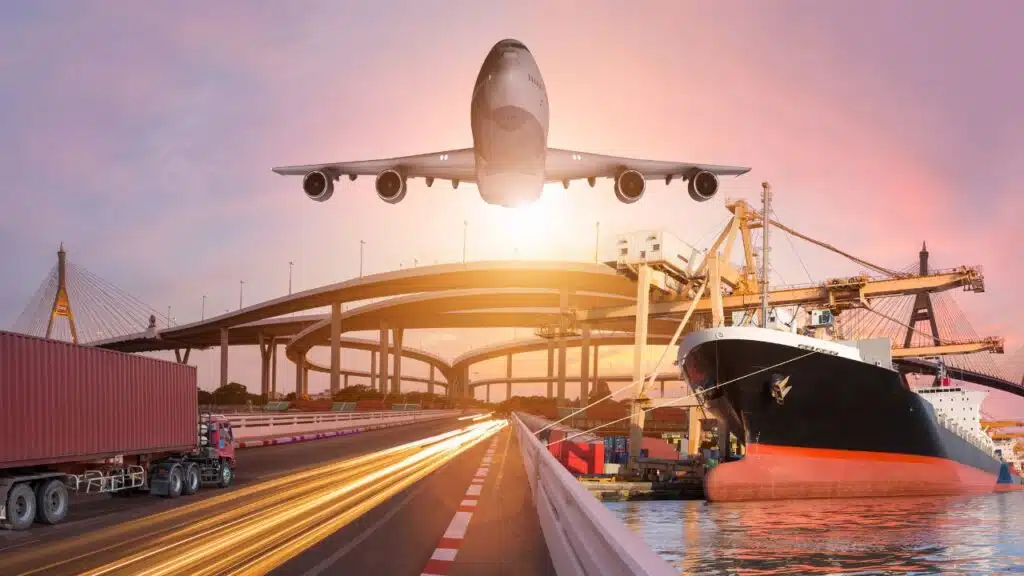
Global trade sees the rise of smart logistics solutions. E-commerce demand rose by over 15 percent in 2022. Firms use artificial intelligence (AI), internet of things (IoT), and big data in daily tasks.
They link warehouses with transport in a physical internet. One global transport provider launched a network in March. A logistics giant rolled out temperature controlled supply chain routes for frozen foods in April.
The regional comprehensive economic partnership (RCEP) cut tariffs and sped shipments in Asia. Free trade agreements eased border checks for many shipments. Many investors fund digital transformation projects.
Electric vehicles roam city streets to curb emissions. Factories install energy efficient warehouses and eco friendly packaging lines.
Labor shortages hit drivers, warehouse workers, and managers as the workforce ages. Cities face higher costs from dense buildings and narrow streets. Mountains add tolls and fuel use.
Firms eye robotics to fill gaps. Training programs join upgraded educational curricula. Partnerships share knowledge and protect privacy. Weather events like earthquakes and typhoons halt roads and rails.
Teams build redundant routes and back up data centers. Some carriers alter methodologies for faster deliveries. Markets shift with new consumer preferences for speed and green shipping.
Firms must balance expenditure with environmental sustainability.
Takeaways
Japan sets new standards with Sensor Networks, tracking every package. Teams use Machine Learning to route trucks and drones like conductors leading an orchestra. Data Mining helps teams spot delays before they happen.
Unmanned Aircraft speed up last-mile delivery in cities, and rural towns. This model raises the bar so high that others hurry to match.
FAQs
1. What is smart logistics in Japan?
It mixes digital transformation, ai, IoT, big data. It helps move freight, on time, with less waste, like a bullet train for boxes.
2. How do carriers like a Japanese carrier and Yusen Logistics use smart logistics?
They tap ai to plan routes, track shipments. They use digital transformation, IoT, big data. They link road, rail, ports. This mix drives smart logistics solutions.
3. How does Japan keep frozen foods fresh?
They rely on cold chain logistics to keep frozen foods fresh. They use temperature sensors, ai to spot issues. This cuts spoilage, boosts environmental sustainability.
4. How do firms manage an aging workforce and globalization?
They have an aging workforce. So they add robots, ai, smart machines. They also use cookie logs and big data to see consumer behavior. This data helps them spot market segments and move fast.
5. What is the physical internet?
They call it a physical internet. It joins roads, rails, ports, warehouses like pipes in a net. It moves goods, transporting them fast. It tracks each item till it is transported. It guides construction of new hubs, and it keeps adherence to safety and environmental friendliness.