

As medical and dental fields continue to advance, the importance of staying up-to-date with cutting-edge techniques is more crucial than ever. Bone healing plays a critical role in various specialties, including orthopedics, oral surgery, and implant dentistry. For professionals looking to elevate their practice, gaining expertise in advanced bone healing techniques can greatly improve patient outcomes and broaden the range of services offered. With innovative educational opportunities now available, professionals can deepen their knowledge and skills in this essential area. Here’s how these opportunities can enhance your practice and patient care.
1. Understanding the Basics of Bone Healing
Before diving into advanced techniques, it’s essential to understand the basics of bone healing. The bone healing process consists of four main stages: inflammation, soft callus formation, hard callus formation, and remodeling. During the inflammation phase, blood clots form, triggering the release of growth factors that initiate healing. In the soft callus phase, new tissue starts to form around the fracture or surgical site. The hard callus phase involves the development of new bone, while the final remodeling stage strengthens the bone and restores it to its pre-injury state.
For healthcare providers working with bone grafting or fractures, understanding this process is vital. It provides the foundation for more complex procedures, such as dental implant placements or orthopedic surgeries, where successful outcomes depend on the body’s ability to heal effectively.
2. Expanding Your Skills with Specialized Courses
To stay competitive and offer the best care to your patients, it’s important to continuously expand your skills. Specialized courses that focus on bone healing and grafting techniques are one way to do this. These courses provide a deep dive into the latest technologies, materials, and methods used in bone regeneration.
For example, various dental implant grafting courses can teach dentists how to perform advanced bone grafting procedures that support successful implant placement. These techniques are particularly beneficial for patients who have experienced bone loss due to periodontal disease, injury, or long-term tooth loss. By learning how to effectively graft bone and manage challenging cases, you can offer a broader range of services and improve patient outcomes.
In addition to dental implant grafting, courses focusing on orthopedic bone healing techniques or maxillofacial surgeries provide essential knowledge for healthcare providers who handle complex fractures or reconstructive surgeries. These educational opportunities often include hands-on training, giving practitioners the confidence to apply new techniques in their practices.
3. Exploring the Latest Technologies in Bone Healing
One of the most exciting aspects of continuing education in bone healing is the exposure to the latest technologies. Advancements such as 3D printing, biomaterials, and regenerative medicine are revolutionizing how healthcare professionals approach bone repair and regeneration.
3D printing technology, for instance, allows for the creation of customized bone grafts tailored to a patient’s anatomy. These grafts can be made from biocompatible materials that encourage faster and more effective healing. Understanding how to incorporate 3D-printed grafts into your practice can enhance patient outcomes, particularly in cases where traditional bone grafting methods may be less effective.
Biomaterials and regenerative medicine, including growth factors and stem cell therapy, are also playing a growing role in bone healing. These innovations aim to accelerate the natural healing process and improve the quality of bone regeneration.
4. Improving Patient Outcomes with Advanced Grafting Techniques
Bone grafting is a critical component of many surgical procedures, particularly in dental implantology and orthopedics. Advanced grafting techniques allow healthcare providers to restore bone volume and structure, providing a solid foundation for implants or healing after fractures.
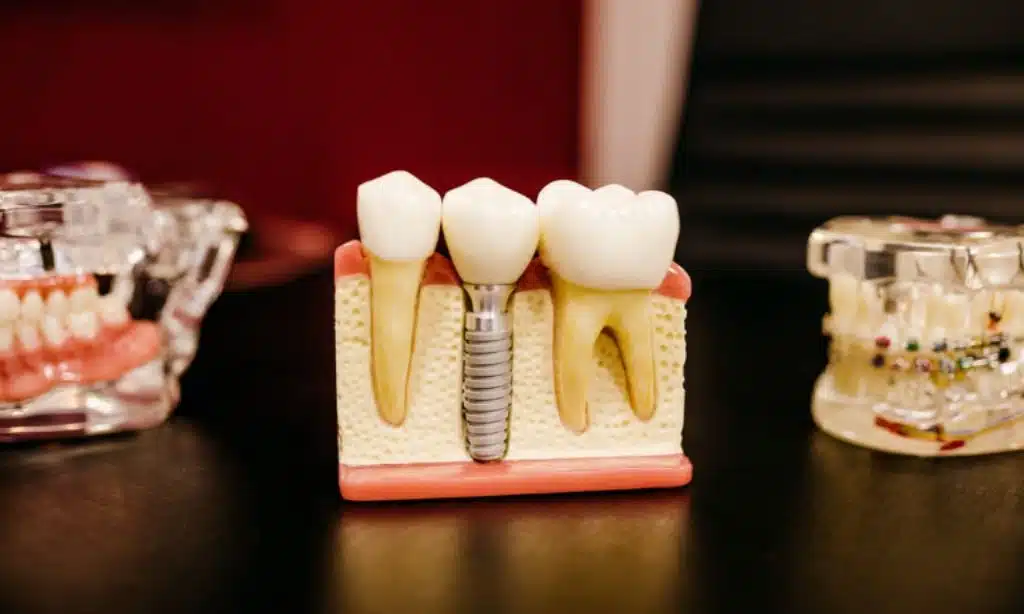
For example, in implant dentistry, bone grafting is often necessary when patients have insufficient bone density to support an implant. Through a specialized dental implant grafting course, dentists can learn advanced grafting techniques such as sinus lifts, ridge augmentation, and the use of autografts, allografts, or xenografts. These procedures not only increase the chances of successful implant integration but also improve long-term patient satisfaction.
Orthopedic surgeons can also benefit from courses focusing on bone healing in fracture management and joint replacement. Advanced techniques in bone grafting and the use of regenerative materials help optimize healing and reduce recovery time for patients. Whether you’re treating trauma cases or performing elective surgeries, learning how to enhance bone healing can have a direct impact on patient outcomes.
5. Customizing Treatment Plans with Patient-Specific Approaches
Every patient is unique, and their bone healing needs may vary depending on factors such as age, underlying health conditions, and the extent of bone loss. Continuing education allows practitioners to develop patient-specific approaches to bone healing, ensuring that each patient receives the most appropriate and effective treatment.
For instance, patients with compromised healing abilities—such as those with osteoporosis, diabetes, or advanced age—require special considerations when it comes to bone grafting and implant procedures. By attending educational courses on bone healing, you’ll gain insights into how to modify treatment plans to accommodate these challenges. This might involve using specialized biomaterials or adjusting post-operative care to ensure successful outcomes.
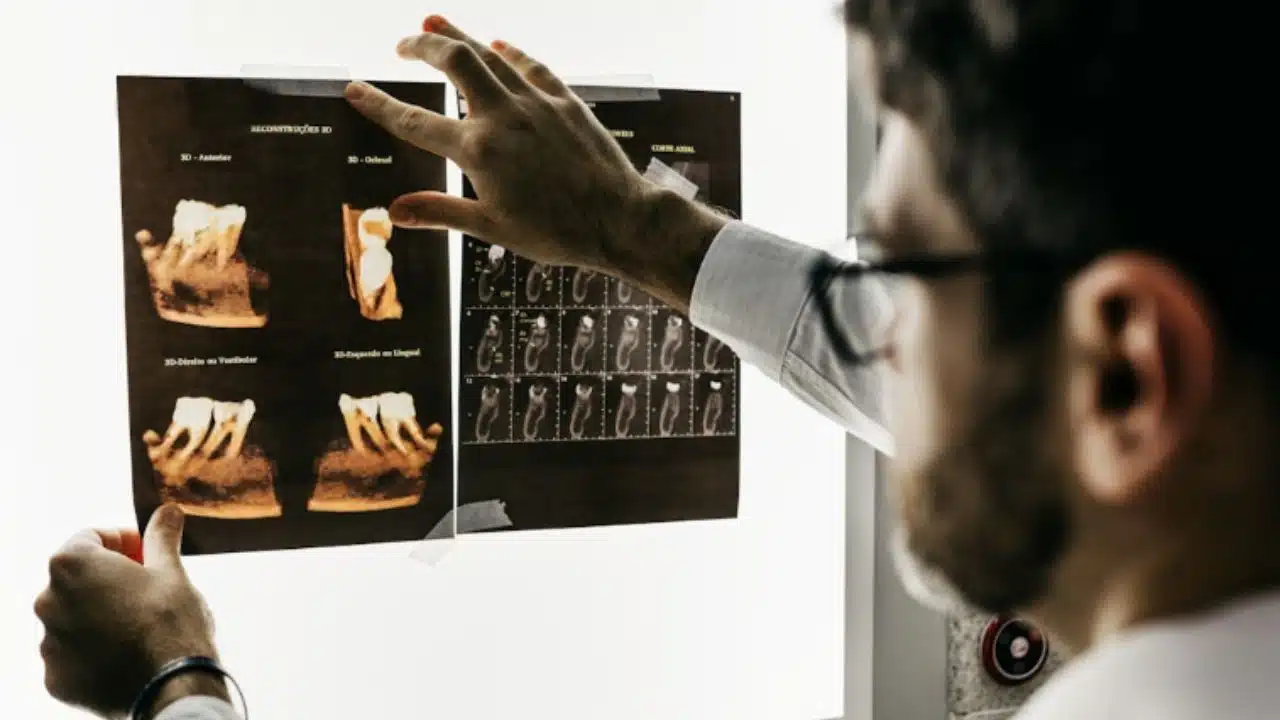
Additionally, learning about the latest diagnostic tools, such as cone beam CT scans or advanced imaging technologies, can help you accurately assess bone density and structure before surgery. This information allows you to plan and execute procedures with greater precision, reducing complications and enhancing the likelihood of success.
6. Building Confidence and Expertise Through Hands-On Training
While theoretical knowledge is important, hands-on training is essential for mastering advanced bone healing techniques. Many specialized educational programs offer live demonstrations, workshops, and practical sessions where participants can practice new skills under the guidance of experienced instructors.
Hands-on training provides the opportunity to apply what you’ve learned in a controlled environment, helping you gain confidence in your abilities. For example, in dental implant courses, you might practice sinus lifts or ridge augmentation on models or cadavers, allowing you to refine your technique before performing the procedure on actual patients.
This immersive learning experience not only boosts your confidence but also ensures that you’re prepared to handle complex cases with ease, ultimately enhancing your reputation as an expert in bone healing within your practice.
Innovative educational opportunities in bone healing offer healthcare professionals the chance to expand their knowledge, sharpen their skills, and stay on the cutting edge of medical advancements. Whether you’re a dentist looking to perfect your bone grafting techniques through a specialized course or an orthopedic surgeon seeking to enhance your fracture management strategies, ongoing education is key to providing the best possible care to your patients.

























