


While companies like to believe they’re prepared to prevent or manage accidents, the truth is they’re not only a common occurrence but also a costly one. According to the HSE (Health and Safety Executive), the total cost to Britain for ill health and workplace injuries involves a whooping £21.6 billion.
This means several companies don’t have their workplace protocol safety in place, as it’s believed two-thirds of UK businesses put their employees in danger, whether knowingly or not. In some cases, workers don’t receive the needed information regarding company policies or are not made wary about the risky situations they might encounter at work.
That’s why developing a safety protocol for your business is important: it will prevent unexpected costs and protect employees. Here’s what it should include.
What aspects tackle a workplace safety protocol?
Workplace safety protocols include all the procedures employees need when engaging with work on-site. The protocol guidelines start by assessing the work-related hazards, after which the Environmental, Health, and Safety (EHS) manager will establish all the necessary steps to ensure risks are minimised.
Safety protocols are required if work-related tasks are complicated, involve thorough documentation, or can have serious consequences if performed incorrectly. These guidelines can help employees avoid injuries, after which they have the right to take time off work or receive Statutory Sick Pay (SSP), according to Public Interest Lawyers.
How safety protocol benefits your company
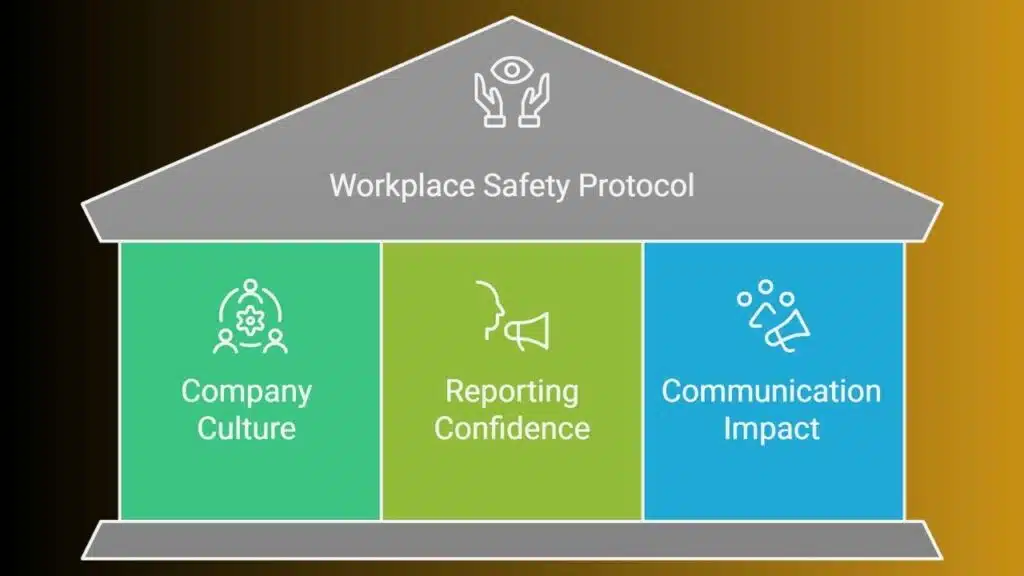
One of the most important aspects of a proper workplace safety protocol concerns the company culture. Fostering a culture of safekeeping and reliability is the foundation of an employee-centric business in which everyone is on the same page and employees look out for each other.
The protocol and management should also ensure workers have no reservations about reporting accidents, which is a common occurrence. Many workers fear the consequences of reporting a mistake or accident at work, contributing to a silent yet dangerous safety culture.
Finally, the safety protocol will offer insight into the impact of communicating these campaigns. When employees engage with the movement and are eager to learn more and apply what they know, you’re assured the protocol has been successful.
Where to start with developing the protocols
The safety protocols should contain information about what employees need to know about their field of occupation. Your EHS manager could use the existing HSE directives to craft a model of the required procedures.
A risk matrix assessment will also offer support in evaluating the company’s potential dangers. The matrix tackles risks that can be:
- Marginal: the problem can be controlled or, in the worst case, cause a minor injury;
- Moderate: the hazard is more likely to trigger severe injuries;
- Critical: the issue can lead to significant system loss or fatalities;
The matrix also includes the probability of a hazard occurring, from which the EHS manager can calculate the acceptable risk rate.
How to make the protocol approachable
Considering its importance, the EHS representative must know how to write it so everyone understands it. At the same time, being available to explain all protocols is more than necessary, especially for new employees.
Language should be clear and direct when discussing potential at-work risks. There should be no room for interpretation when it comes to safety so everyone can have an objective view of the matter. If the language is complex, chances are employees will perform their tasks incorrectly due to communication gaps.
HSE managers can also leverage different communication channels, such as company applications or social media apps, to share news on safety regulations. It’s also important for management to be able to reach workers quickly through their mobile phones in case of potential emergencies.
What are some tips employees must be wary of?
As an employer, you’ve got the responsibility to provide everyone with all the safety regulations needed at work. You owe workers the duty of care, but they should also be careful when it comes to performing their work tasks.
For example, they must keep their workstation clean at all times to avoid accidents related to spillages or mess. Slips, trips, and falls are the most prominent accidents at work, and their causes are negligible in most cases.
At the same time, workers must always wear their protective equipment (PPE). There are instances in which they either forget to or choose not to wear it, but its presence can minimise the impact of an accident.
Finally, it’s important for all employers to take necessary breaks to avoid overworking. Tired workers are more likely to experience an accident at work because they cannot focus, and their capacity to perform the task is also lower.
Companies don’t understand the costs of an injury
The ongoing lack of awareness and importance given to safety is concerning. However, when it comes to the company, the problem is more complex, as businesses don’t completely understand the cost of an accident.
Repeated accidents at the workplace will lead to productivity loss on site, which will eventually cause a poor brand image in the company culture. The problem is pretty simple to understand: as long as employees are healthy, they can be productive. However, when their health is in danger, their output is affected.
Ensuring employees work in a safe and compliant space requires frequent verifications, which can be costly and time-consuming. However, it’s absolutely necessary to set the record straight and avoid further problems. Most industries lack proper awareness of worker safety, which is why the employment market has become controversial.
What do you think about workplace protocol safety?
Every company, no matter how small, should have a safety protocol in place to ensure workers are less exposed to injuries or accidents. These occurrences can happen at home as well as on-site, so management must devise these guidelines so employees know how to do their jobs properly and act in case of an accident. At the same time, employers must not breach their duty of care and prioritise worker safety over productivity.

























