Finding the right environment for seniors is about more than care; it’s about well-being. A home-like setting can have a profound impact on their physical, emotional, and cognitive health. It’s not just about comfort, but creating a space that fosters safety, independence, and positive relationships. This article will explore why a home-like environment is so important for senior well-being.
Emotional Comfort and Familiarity
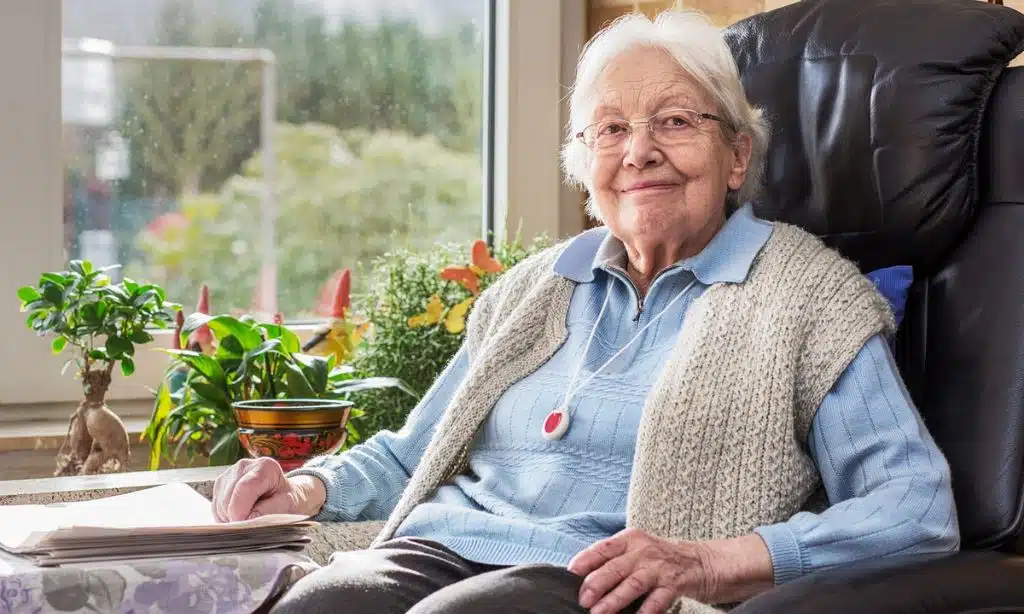
For seniors, the comfort of familiar surroundings can be a powerful tool in reducing stress and anxiety. A homey setting provides stability that more institutional environments often lack. For example, Via Elegante and other specialized senior care facilities create spaces where residents can personalize their rooms to mirror their previous homes, fostering emotional security. Simple things, like bringing personal belongings or decorating a room that mirrors their previous home, can provide comfort and emotional security.
Seniors often associate certain objects, furniture, or decorations with important memories. Being surrounded by these familiar elements helps create a calming environment that can ease the emotional strain that sometimes comes with aging. This familiarity can make a big difference, especially for those adjusting to assisted living.
Cognitive Health and Memory Care
A familiar environment can be especially beneficial for seniors dealing with cognitive decline. For those with dementia or Alzheimer’s, confusion is a major challenge. A home-like environment, designed with their needs in mind, reduces feelings of disorientation. Familiar surroundings and routines act as environmental cues that help seniors with memory challenges feel more grounded.
Smaller, more comfortable settings often have fewer distractions, which can help those with cognitive impairments focus and engage more easily. Structured, familiar environments create a sense of routine, which is especially important for seniors facing memory loss. Rooms and spaces that mimic home allow them to maintain some level of independence, even as their condition progresses.
Social Connections and Community Building
A home-like setting encourages meaningful social interactions. Unlike larger, more institutional care settings, where it’s easy for residents to feel isolated, smaller, residential-style environments make it easier to connect with others. Common areas designed like living rooms or dining spaces allow for natural conversation, fostering a sense of community among residents.
These smaller spaces make it easier for caregivers to develop personal relationships with each resident. In turn, this close connection can lead to stronger trust and more meaningful interactions. Residents are more likely to engage socially when the environment feels warm and welcoming. These social connections are key to reducing loneliness, which is a common issue for seniors.
Physical Health and Independence
A familiar environment also plays an important role in maintaining physical health. The design of such spaces can promote mobility and reduce the risk of falls. For example, homes can be adapted to include wider hallways, accessible bathrooms, and handrails. These design elements encourage safe movement while maintaining a sense of normalcy.
Additionally, familiar spaces can motivate seniors to engage in more physical activity. Whether walking around their room, moving to a communal space, or participating in light activities, the comfort of a home-like setting can encourage seniors to stay physically active, supporting overall health and longevity.
Personalized Care in Familiar Settings
Personalized care is much easier to provide in smaller, home-like environments. With fewer residents, caregivers can tailor their attention and care routines to individual needs. This allows for more meaningful personal care, where residents aren’t just a number but are truly known by their caregivers.
This setting also allows for a consistent caregiving team, which is important for trust and security. When caregivers and residents build relationships over time, the care experience becomes more personalized. The small, intimate nature of home-like environments supports this continuity of care, benefiting both residents and caregivers.
Stress Reduction for Families
It’s not just seniors who benefit from home-like environments—families do as well. Families often feel more comfortable when their loved ones are in a space that feels safe and familiar. This environment provides peace of mind, as it feels more like a second home than a facility.
These settings also allow for family members to be more involved in their loved one’s care. The relaxed atmosphere encourages visits and ongoing engagement, which helps maintain family relationships even as care needs increase. It also alleviates the emotional stress that can come with seeing a loved one in a more clinical, institutional environment.
Bridge Between Independence and Assisted Living
For many older people, the transition from independent living to assisted care is difficult. A home-like setting eases this transition by providing a home environment that balances independence with the right level of support. Unlike traditional care facilities, these environments are designed to feel like home, which helps reduce the sense of loss seniors often feel when they can no longer live on their own.
This kind of setting gives seniors the freedom to maintain some of their usual routines and independence while still offering the necessary assistance for daily living. This balance is key for seniors who want to maintain their dignity and autonomy while receiving the care they need.
Final Thoughts
A home-like environment offers more than comfort; it supports emotional well-being, physical health, and cognitive function for older adults. By prioritizing familiarity, independence, and social connection, these settings provide a holistic approach to care that benefits both seniors and their families. As more seniors seek environments that offer both care and a sense of home, it’s clear that this model is an important part of promoting long-term well-being.