The rendering first appeared in 1960 when William Fetter created an image of the pilot to simulate the space required in the cockpit. Then, in 1963, Ivan Sutherland created Sketchpad, the first 3D modeling program, while he was at MIT. For his pioneering work, he is known as the “Father of Computer Graphics”.
In 1975, researcher Martin Newell created the Utah Kettle, a 3D test model that became the standard test render. This teapot, also called the Newell Teapot, has become so iconic that it is considered the equivalent of “Hello World” in the 3d world.
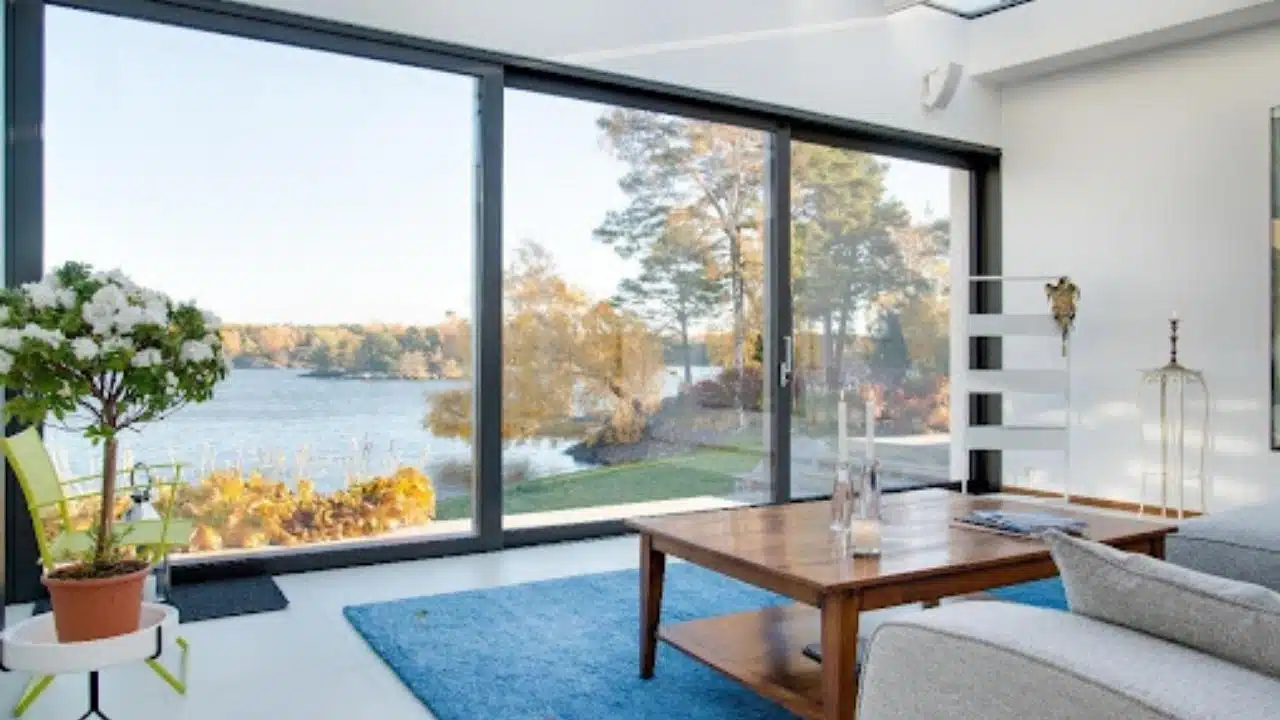
3D visualization of the exterior is of interest to entrepreneurs in the real estate world. Today there is no better way to more clearly show the client any idea regarding architecture and design. If 10 years ago only gray and unrealistic pictures were available to architects, today we can hardly distinguish between 3D images and professional photography. 3D exterior rendering services.
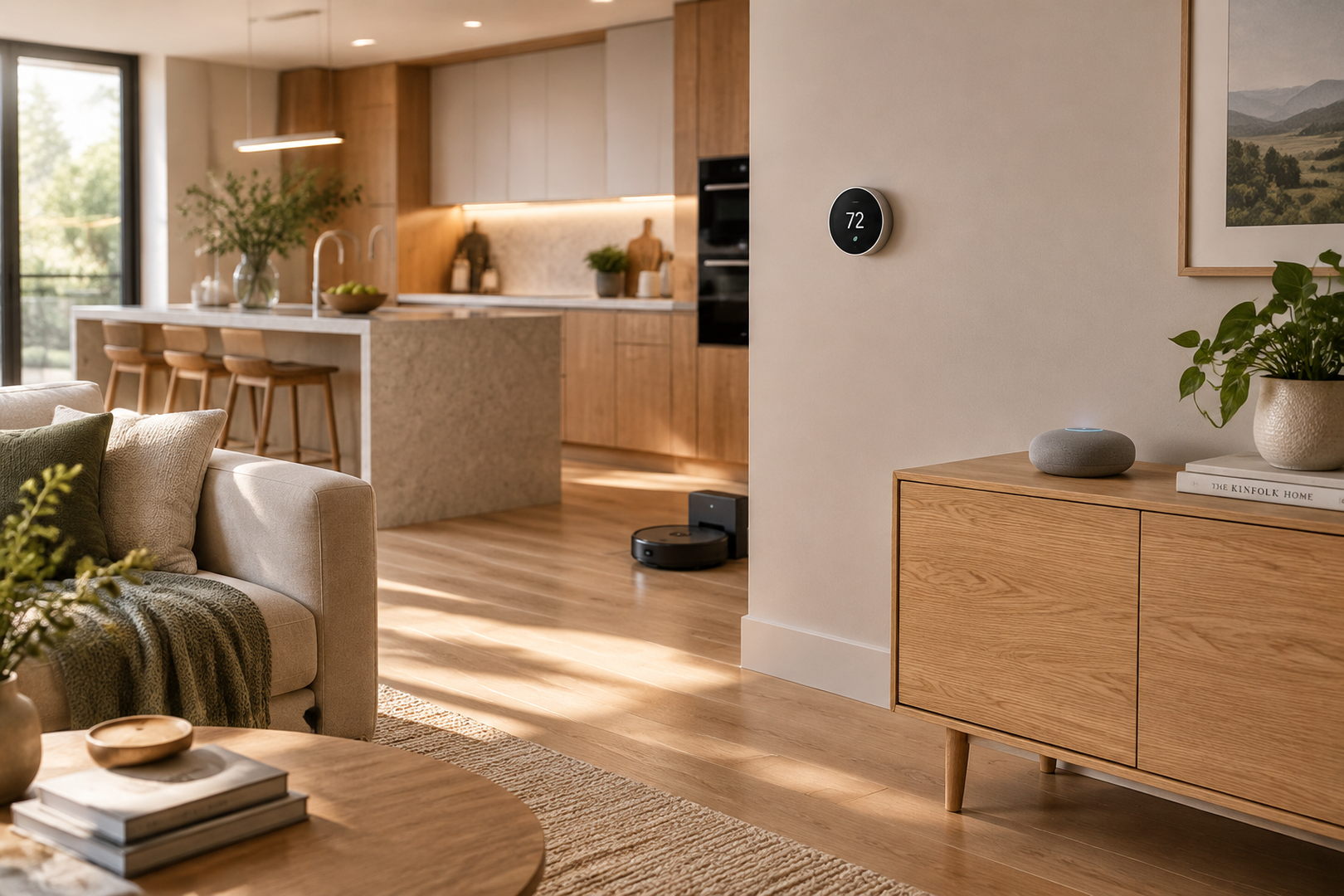
When ordering the interior design of any room (apartment, office, country house, sales area), the client usually wants to see the project of the idea in photographs, and only then proceed to its implementation. This is not a difficult task today. Visual interior design can be obtained using computer programs such as Autodesk 3Ds Max. However, 3D images do not have the same photorealism that they acquire during the rendering process.
With the help of the interior rendering, you can easily work out various options for the arrangement of lighting sources, decorations, furniture and color schemes for objects used in the interior. And it is very important to entrust this work to professionals in their field, so as not to spoil all the best ideas and developments of the designer.
A high-quality render will help the designer eliminate all possible misunderstandings with the client before starting the project, which will speed up the design approval process and avoid further mistakes in the work.
There are certain differences for creating the appearance of the building and the interior decoration of the premises.
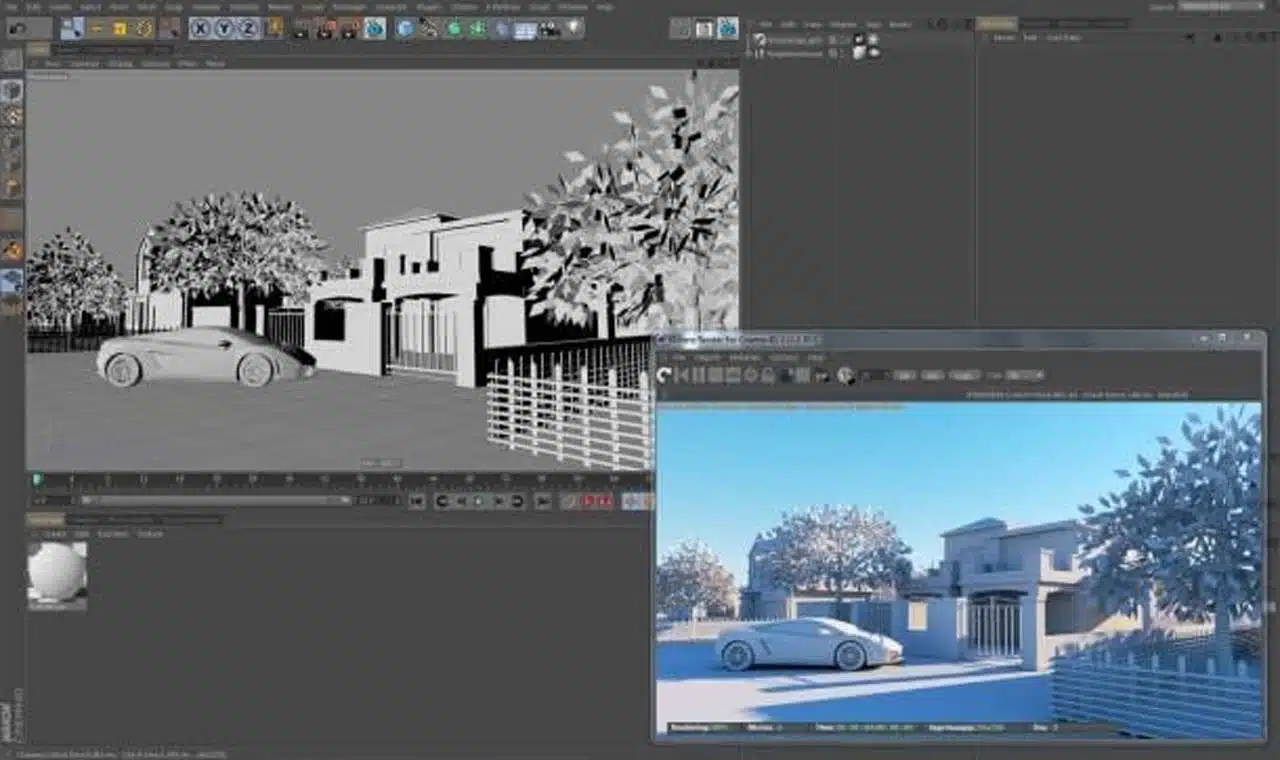
The exterior render (architectural rendering) should include more dynamic objects – trees with leaves, clouds, cars, etc. that may be located on the site next to the building. Also sometimes it is required to “adjust” the picture for certain weather conditions.
Rendering quality is improving, but the process is still slow – which is why large companies are investing heavily in rendering the farm. At the same time, individual designers and artists must use state-of-the-art equipment.
Rendering software uses GPU (graphics), CPU (central), or both to create renders. In addition, rendering applications are resource intensive programs. Faster rendering often requires additional updates. Processor speed, graphics card integration and compatibility, driver and memory compatibility are some of the aspects that ensure fast, high-quality rendering. 3D exterior visualization.
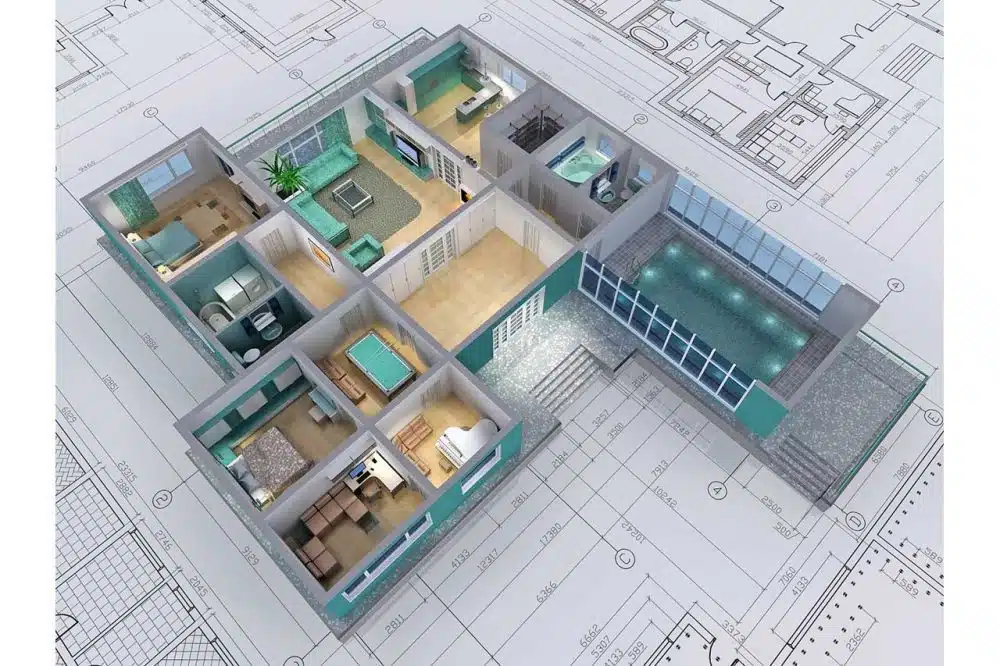
3D rendering has changed workflows in many industries. In architecture and engineering, traditional plans, maps and models are now complemented by realistic presentations. Prototyping using rendering is less expensive and also a great time saver. you can immediately see the final result, take into account all the nuances and make the appropriate adjustments.
In the modern film industry, new films are now heavily dependent on 3d rendering, or rather, they are no longer created without the use of this wonderful tool. 3D animation studios are working on the creation of high definition animated films. High-definition video effects and computer-generated images help to create the perfect shot, cinema physical effects and props. There is no limit to create a scene, everything is limited only by the fantasy of the human brain.
In marketing, renders are used to depict photorealistic product images. While cost effective, marketing industries use rendering to make promotions as realistic and engaging as possible for the consumer.
Enhancing games with photorealistic rendering and high definition is of great importance to the industry. Each year, game developers continue to strive to make details more realistic and immersive for gamers.