

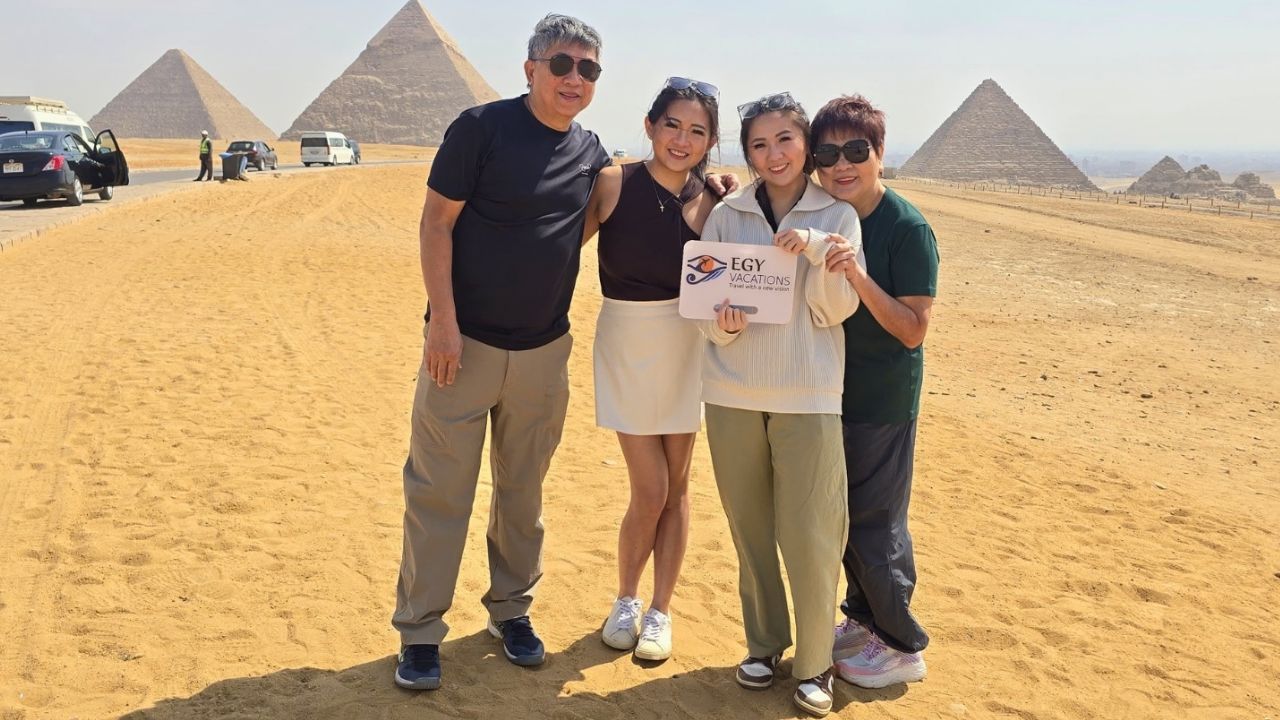
A first trip to Egypt usually starts with a long wish list and a limited amount of time. The pyramids of Giza, the tombs of the Valley of the Kings, a stretch of the Nile, perhaps a few days on the Red Sea: fitting it all together takes more planning than many travelers expect.
One of the earliest decisions is whether to arrange every hotel, transfer, and guide independently or to compare Egypt Vacation Packages that bundle those pieces together. Neither approach suits everyone, and the right choice usually becomes clear once you’ve worked through a few practical questions. This guide walks through those questions in the order most travelers face them, from choosing a season to handling money on the ground.
Decide When to Go First
Timing shapes almost every other decision, from prices to how much you can comfortably see in a day. Egypt’s main travel season runs from October to April, when temperatures in Cairo, Luxor, and Aswan are mild, and sightseeing is comfortable. December and January are the busiest months, and hotels and cruise boats around Christmas and New Year often fill up well in advance.
From May to September, temperatures in Upper Egypt regularly climb above 40°C. Travel is still possible, and some visitors appreciate the thinner crowds and lower prices, but days need to be structured around early starts, long midday breaks, and late-afternoon visits. The shoulder months of October, November, March, and April often offer a good compromise between weather and crowds.
It’s also worth checking whether your dates overlap with Ramadan, which moves about eleven days earlier each year. Sites remain open, though opening hours may be shorter, and the evenings bring a festive atmosphere that many visitors enjoy. At Egy Vacations, we can help you time your trip around these seasonal shifts so you get the weather and atmosphere you’re after.
Work Out How Many Days You Have
Egypt’s major sites are spread over a long distance, from Cairo in the north to Abu Simbel near the Sudanese border. As a rough guide, five days allows a fast-paced look at Cairo and Luxor; seven to eight days lets you add a Nile cruise between Luxor and Aswan; and ten days or more makes room for Abu Simbel, Alexandria, or some beach time on the Red Sea. Being realistic about your available days early on prevents the common mistake of trying to squeeze a ten-day route into a single week.
Build a Realistic Budget
Egypt can suit a wide range of budgets, but costs add up across several categories that first-time visitors often underestimate. It helps to think about the trip in separate blocks:
- Accommodation, which ranges from simple guesthouses to historic grand hotels.
- Internal transport, including domestic flights, trains, cruises, and transfers.
- Entry tickets, which are priced separately for each site, with extra tickets for special areas such as certain tombs or the interior of the Great Pyramid.
- Guides, whether hired for the whole trip or for individual sites.
- Food, drinks, and tips.
Ticket prices are set by the Ministry of Tourism and Antiquities and are revised periodically, so check current rates shortly before you travel. The Egyptian pound has also seen significant exchange rate changes in recent years, which means older budget estimates found online may no longer be accurate.
Tipping, known locally as baksheesh, is a normal part of daily life. Drivers, guides, cruise staff, restaurant servers, and site attendants generally expect small tips, so keeping a supply of low-value notes on hand makes things easier for everyone.
Independent Travel or an Organized Trip?
Once you know your dates, days, and rough budget, the question of how to organize the trip becomes easier to answer. Independent travel offers maximum flexibility. You can linger at a temple, change plans on a whim, and choose every hotel yourself. It works well for experienced travelers who are comfortable negotiating transport and handling logistics in a busy, sometimes chaotic environment.
Organized or pre-arranged trips handle the moving parts, such as airport pickups, domestic flights, cruise bookings, and licensed Egyptologist guides. This can be especially helpful on a first visit, when navigating ticket offices, transport connections, and early-morning departures for places like Abu Simbel can be tiring. Many travelers choose a middle path, booking the complex segments, such as the Nile cruise and internal flights, while leaving free days in Cairo or on the coast to explore independently.
Whichever route you choose, read what is and isn’t included. Entry tickets, tips, drinks, and optional excursions are the items most likely to differ between offers.
Sort Out Visas and Documents
Many nationalities can obtain an Egyptian tourist visa online through the official e-visa portal or on arrival at major airports, but eligibility and fees vary by nationality and change from time to time. Always confirm the current rules through official government sources rather than relying on older blog posts. Your passport should generally be valid for at least six months beyond your arrival date.
Travelers flying directly into Sharm El Sheikh and staying only in certain parts of South Sinai may be able to use a free Sinai-only entry stamp for short stays, but this doesn’t allow travel to Cairo or the Nile Valley. Comprehensive travel insurance that covers medical care and trip disruption is strongly recommended.
Getting Around Between Cities
Domestic flights connect Cairo with Luxor, Aswan, Hurghada, and Sharm El Sheikh, and most take between one and one and a half hours. Overnight sleeper trains between Cairo and Luxor or Aswan offer a slower but atmospheric alternative and save a night’s accommodation. Between Luxor and Aswan, a Nile cruise of three or four nights combines transport, accommodation, and sightseeing, stopping at the temples of Edfu and Kom Ombo along the way.
Within Cairo, traffic can be heavy at almost any hour. Ride-hailing apps are widely used and remove the need to negotiate fares, which many visitors find reassuring.
Choosing Where to Stay in Cairo
Where you stay in Cairo affects how much time you spend in traffic. Hotels in Giza put you close to the pyramids and the Grand Egyptian Museum, while Downtown and the island neighborhood of Zamalek are more convenient for the Egyptian Museum in Tahrir Square, Islamic Cairo, and the city’s restaurants and cafés. Some travelers split their stay between the two areas to cut down on long cross-city journeys.
Pace Yourself: Structuring Each Day
Egypt’s major sites are large, exposed to the sun, and often involve plenty of walking on uneven ground. Many experienced travelers plan one major site in the morning and a lighter activity in the afternoon, rather than trying to visit three or four places in a single day. Early starts are especially valuable: arriving when gates open means cooler temperatures, softer light for photography, and fewer crowds at popular spots such as the Valley of the Kings and the Giza plateau.
Midday is a good time for a long lunch, a museum visit, or a rest at your hotel. Late afternoons and evenings suit markets, felucca rides, and sound-and-light shows. Building in at least one unscheduled day across the trip also gives you a chance to revisit a favorite place or simply recover from a run of early mornings.
Health, Safety, and Cultural Considerations
Drink bottled or filtered water, take sun protection seriously, and pace yourself during long days at outdoor sites. Modest clothing that covers shoulders and knees is respectful in most settings and is required when entering mosques, where women will also need a headscarf. Photography rules vary between sites; some areas prohibit tripods or charge for camera use, and drones require official permission. Checking these details in advance avoids problems at the gate.
Egypt is a welcoming country, and a few words of Arabic, such as “shukran” (thank you), go a long way. Persistent vendors are common at major sites, and a polite but firm “la, shukran” (no, thank you) is usually enough.
Money Matters on the Ground
Cards are widely accepted at hotels, larger restaurants, and many shops in cities, but cash remains essential for tips, small purchases, markets, and some ticket offices. ATMs are easy to find in cities and tourist areas. Carry a mix of small and medium notes, and let your bank know about your travel dates to avoid blocked transactions.
A Simple Planning Checklist
- Choose your travel season and check for Ramadan or peak holiday overlaps.
- Decide how many days you realistically have and which regions to include.
- Set a budget covering accommodation, transport, tickets, guides, and tips.
- Decide between independent travel, an organized trip, or a mix of both.
- Confirm visa rules, passport validity, and travel insurance.
- Plan internal transport between Cairo, Luxor, and Aswan.
Final Thoughts
A first trip to Egypt rewards careful preparation. By settling the big questions early, such as when to go, how long to stay, and how to organize the logistics, you free yourself to focus on the experience itself: sunrise over the West Bank of Luxor, the scale of the pyramids up close, and the slow rhythm of life along the Nile.





















