

Commodity trading is a fascinating and potentially profitable venture that involves buying and selling raw materials like gold, oil, agricultural products, and more.
Unlike stock trading, where you invest in companies, commodity trading focuses on tangible assets, which can offer diversification and a hedge against inflation.
But for beginners, stepping into commodity trading can feel overwhelming due to the various markets, trading options, and risk factors involved.
This guide outlines seven essential steps to help you understand the basics of commodity trading and get started with confidence. By the end of this article, you’ll have a solid foundation and be ready to explore the exciting world of commodity trading.
1. Understand What Commodity Trading Is
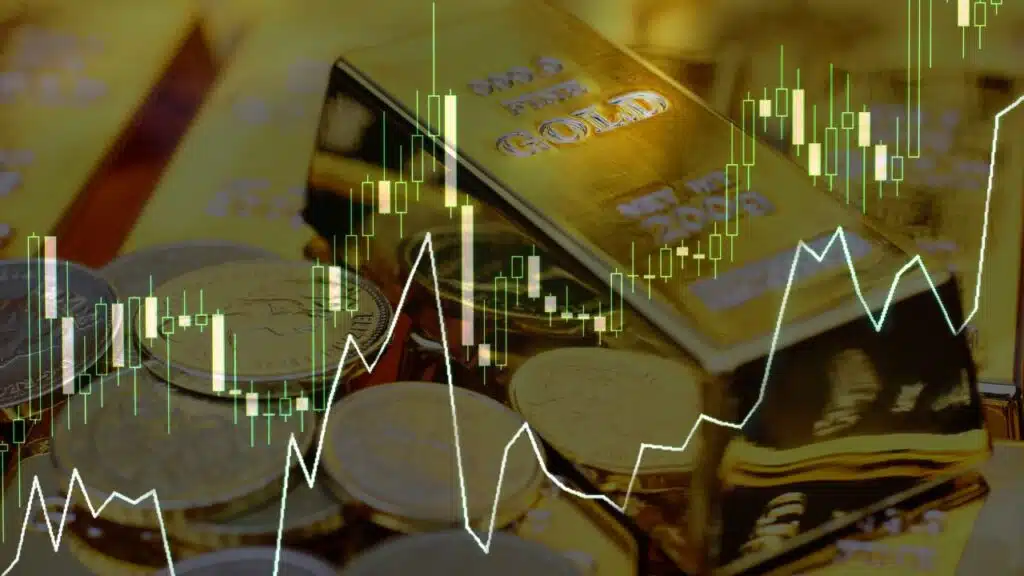
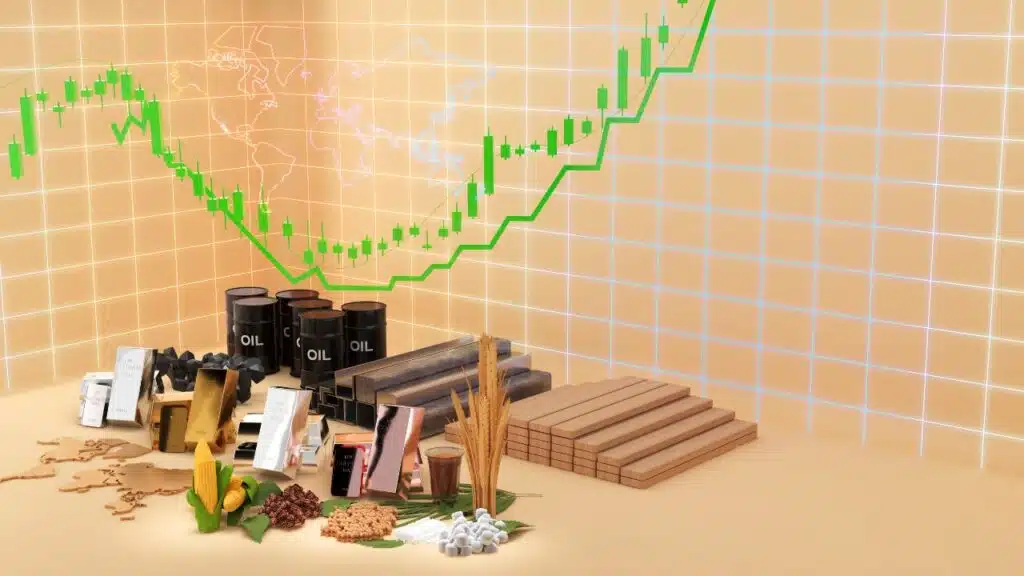
Commodity trading involves the buying and selling of raw materials rather than manufactured goods or company shares. Commodities fall into two main categories:
- Hard Commodities: These include natural resources that are mined or extracted, such as oil, gold, and silver.
- Soft Commodities: These are agricultural products or livestock, including grains, coffee, sugar, and cattle.
Commodity trading allows traders to profit from the fluctuations in prices of these raw materials. It’s essential to understand that commodity prices can be highly volatile due to supply-demand dynamics, geopolitical events, weather, and economic factors.
Why People Trade Commodities
Commodities are traded for various reasons:
- Hedging Against Inflation: Commodities often retain value or even appreciate when inflation rises, providing a hedge.
- Diversification: Commodities can offer a counterbalance to traditional stock and bond investments.
- Potential for Profit: Volatile markets provide opportunities for high returns, especially for traders who can correctly anticipate market trends.
Understanding the basics of commodity trading helps you make informed decisions and sets the stage for your next steps.
2. Research and Understand Different Types of Commodities
Before diving into trading, it’s important to understand the different commodities available and how their markets operate. Broadly, commodities are categorized into energy, metals, agriculture, and livestock.
| Commodity Type | Examples | Key Influences on Price |
| Energy | Oil, natural gas | Geopolitical tensions, production levels, economic growth |
| Metals | Gold, silver, copper | Inflation, currency strength, mining output |
| Agriculture | Wheat, corn, coffee, soybeans | Weather patterns, harvest yields, trade policies |
| Livestock | Cattle, hogs | Disease outbreaks, feed prices, consumer demand |
Each commodity behaves differently based on factors like seasonality, weather, and geopolitical events. For example:
- Oil prices are often impacted by OPEC decisions and geopolitical events in oil-rich regions.
- Gold is typically seen as a safe-haven asset and may increase in value during economic downturns.
- Agricultural products are highly sensitive to weather and seasonal cycles.
How to Decide Which Commodities to Trade
As a beginner, it’s wise to focus on one or two commodities that interest you or align with your knowledge. For example, if you have a background in agriculture, trading in soft commodities like wheat or soybeans might feel more familiar. Once you gain experience, you can diversify into other commodities.
3. Choose a Commodity Trading Platform
Choosing the right platform is crucial for successful trading. A reliable platform will offer access to various commodities, provide market insights, and ensure the security of your investments. Here’s what to consider:
| Feature | Importance |
| Range of Commodities | The platform should support a wide range of commodities to allow diversification. |
| Ease of Use | Look for a user-friendly interface that’s easy to navigate for beginners. |
| Fees and Commissions | Platforms charge fees and commissions, so choose one that offers competitive rates. |
| Market Insights and Research Tools | Good platforms offer research tools, charts, and insights for informed trading decisions. |
| Security and Regulation | To protect your money, make sure the platform is under reputable authority regulation. |
Recommended Platforms for Commodity Trading
Some popular commodity trading platforms include:
- TD Ameritrade: Offers a wide range of commodities and excellent research tools.
- Interactive Brokers: Known for low commissions and a broad range of commodities.
- eToro: Great for beginners with an easy-to-use platform and social trading features.
It’s important to try a demo account first if available, as it allows you to practice trading without risking real money.
4. Learn About Different Commodity Trading Methods
There are various methods for trading commodities, each with its own set of risks and benefits. Here’s an overview of the main methods:
| Trading Method | Description |
| Spot Trading | Buying or selling commodities for immediate delivery. Prices are based on current market rates. |
| Futures Contracts | Agreement to buy or sell a commodity at a future date and price. Used by both speculators and hedgers. |
| Options on Futures | Provides the right, but not the obligation, to buy or sell futures contracts at a set price before expiry. |
| Commodity ETFs | Exchange-traded funds that track the price of a specific commodity or a group of commodities. |
| CFDs (Contracts for Difference) | Allows traders to speculate on price movements without owning the actual commodity. |
Choosing the Right Method for You
- Beginners often start with ETFs or CFDs as they are easier to understand and manage.
- Intermediate traders may explore futures or options on futures for more trading flexibility and control.
- Experienced traders often participate in spot trading or directly trade futures contracts due to the potential for high returns.
Research each method, assess your risk tolerance, and choose the one that aligns best with your trading goals.
5. Develop a Trading Strategy
A well-defined trading strategy is crucial for success in commodity trading. It helps you set clear goals, manage risk, and stay disciplined, especially during market fluctuations. Different strategies work for different types of traders, from day traders who make quick, short-term trades to long-term investors who hold positions over months or even years.
Common Commodity Trading Strategies
| Strategy | Description |
| Trend Following | Focuses on identifying and following market trends to capitalize on price movements. |
| Range Trading | Involves buying and selling based on set price ranges, assuming prices will remain within these limits. |
| Breakout Trading | Involves entering the market when the price breaks through a known resistance or support level. |
| Fundamental Analysis | Uses supply-demand data, economic factors, and news to make trading decisions. |
| Technical Analysis | Uses charts and indicators to predict future price movements. |
Building Your Own Strategy
As a beginner, start with a simple strategy like trend following or range trading. Use demo accounts to test and refine your strategy without financial risk. As you gain experience, you can incorporate more advanced techniques and adjust your strategy based on market conditions and personal preferences.
6. Practice Risk Management

Commodity markets are highly volatile, which means that prices can change rapidly and unpredictably. Effective risk management helps protect your capital and ensures that one bad trade doesn’t wipe out your entire investment. A solid risk management plan is essential for long-term success in commodity trading.
Key Risk Management Techniques
| Technique | Description |
| Set Stop-Loss Orders | Establish a predetermined exit point to minimize potential losses on each trade. |
| Diversify Portfolio | Spread investments across different commodities to reduce risk. |
| Limit Leverage | Use leverage cautiously, as it can amplify both gains and losses. |
| Risk-Reward Ratio | Maintain a favorable risk-reward ratio (e.g., 1:3) to increase potential profits compared to risks. |
| Position Sizing | Only allocate a small portion of your capital to any single trade, typically 1-2% of your total funds. |
Implementing Risk Management
Establish risk limits for each trade and your overall portfolio. Many platforms offer risk management tools, such as stop-loss and take-profit orders, that can be set up automatically. Always consider worst-case scenarios and plan accordingly to safeguard your investment.
7. Stay Informed and Continue Learning
From geopolitical events and natural disasters to economic data and governmental policies, there are many factors that affect the commodity market. Staying informed about these factors allows you to make better trading decisions. Commodity trading is a continuous learning process, and keeping up with market trends, analysis, and industry news is key to staying competitive.
Tips for Continuing Your Education
| Learning Resource | Benefits |
| Financial News | Sources like Bloomberg, Reuters, and CNBC provide up-to-date information on market events. |
| Educational Websites and Blogs | Websites like Investopedia offer free resources and guides for commodity trading. |
| Market Analysis Tools | Many trading platforms offer built-in tools for technical analysis, news feeds, and data insights. |
| Online Courses and Webinars | Platforms like Udemy, Coursera, and brokerage sites offer courses on commodity trading. |
| Networking with Other Traders | Join forums, attend webinars, or participate in online groups to learn from other traders. |
Setting Up a Routine for Market Analysis
Create a daily or weekly routine to monitor market trends, check relevant news, and review your portfolio. This ongoing education will not only improve your trading skills but also make you more adaptable to changing market conditions.
Conclusion: Taking Your First Steps in Commodity Trading
Commodity trading can be an exciting and profitable venture, but it requires knowledge, discipline, and a strategic approach.
By following these seven steps—understanding commodity trading, researching different commodities, choosing a trading platform, learning trading methods, developing a strategy, practicing risk management, and staying informed—you’ll be well-equipped to navigate the commodity markets with confidence.
As a beginner, start small, take the time to learn from each trade, and refine your strategy as you gain experience.
Remember that successful commodity trading isn’t about quick wins but about making informed, strategic decisions over time. With patience and dedication, you can achieve your financial goals and build a rewarding investment journey in the world of commodities.





















