

The beauty industry has undergone a dramatic transformation in recent years, largely driven by the rise of social media influencers. These digital creators have changed how young consumers discover, evaluate, and purchase beauty products. With influencer management playing a crucial role, brands can strategically collaborate with the right influencers to maximize reach and engagement. With 82% of consumers saying they are likely to buy something based on influencer recommendations, the impact of influencer marketing on the beauty industry cannot be ignored.
Did you know that 92% of young consumers trust influencer recommendations more than traditional advertisements? This stunning shift in consumer behavior has created a beauty revolution that’s changing how we discover, shop for, and talk about beauty products. Let’s dive into this fascinating transformation and understand why your favorite beauty influencer might have more impact on your purchasing decisions than you realize.
The New Face of Beauty Marketing
Why Influencers Matter More Than Ever
Remember when we used to test makeup at department store counters? Now, millions of young consumers watch try-on hauls from their favorite social media creators before making a purchase. Here’s why this matters:
- 8 out of 10 consumers have bought a product after seeing it on social media
- Young shoppers spend an average of 2-3 hours daily on social media platforms
- 75% of Gen Z consumers say they discover new beauty products through social media
- Trust in traditional advertising has dropped by 30% since 2015
Types of Beauty Influencers That Shape the Industry
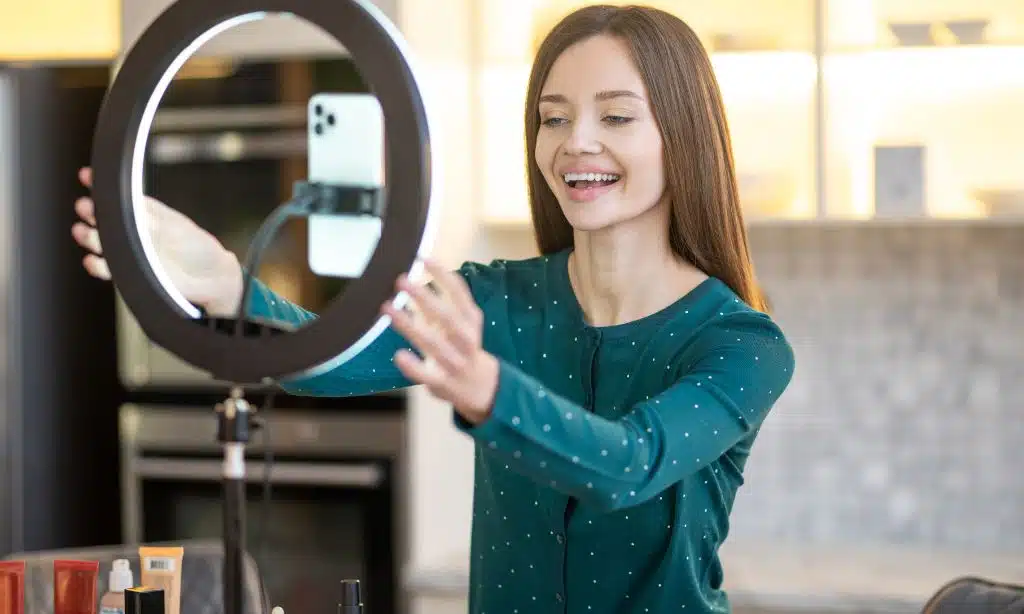
Let’s break down the different types of influencers you might encounter:
- Everyday Experts (Nano-influencers)
- Your friendly neighborhood beauty enthusiast
- 1,000-10,000 followers
- Highest engagement rates (average 8%)
- Most trusted for honest reviews
- Rising Stars (Micro-influencers)
- Dedicated beauty content creators
- 10,000-100,000 followers
- Perfect blend of reach and authenticity
- Specialists in specific niches (like clean beauty or K-beauty)
- Beauty Authorities (Macro-influencers)
- Professional makeup artists and skincare experts
- 100,000-1M followers
- Often collaborate with brands
- Set beauty trends and standards
- Beauty Moguls (Mega-influencers)
- Industry-changing personalities
- 1M+ followers
- Usually have their own beauty lines
- Shape industry direction
The Real Numbers: Beauty Influencer Impact in 2024
Let’s look at some eye-opening statistics about how influencer marketing is changing the beauty game:
| Category | Impact Metric | Percentage |
|---|---|---|
| Purchase Decisions | Products bought after influencer recommendation | 78% |
| Content Engagement | Video content engagement rate | 82% |
| Trust Factor | Trust in influencer reviews vs. brand ads | 92% |
| ROI for Brands | Return on influencer marketing investment | 580% |
| Mobile Shopping | Beauty purchases made through social media | 67% |
| Live Shopping | Growth in live shopping events | 45% |
What Young Consumers Really Want
Today’s beauty shoppers are different. They’re smart, informed, and value-driven. Here’s what they’re looking for:
- Authenticity Above All
- Real skin texture
- Unedited results
- Honest reviews, including negative feedback
- Behind-the-scenes content
- Educational Content
- Ingredient deep-dives
- Application techniques
- Skincare science explanations
- Product comparisons
- Interactive Experiences
- Live shopping events
- Q&A sessions
- Virtual try-ons
- Community discussions
Game-Changing Trends in Beauty Influencer Marketing
The TikTok Revolution
TikTok has completely changed how we consume beauty content. Here’s what’s working:
- 15-second tutorials
- “Get Ready With Me” videos
- Before and after transformations
- Viral beauty hacks
- Duets and response videos
The Rise of Virtual Try-Ons
Brands are combining influencer content with AR technology:
- Virtual makeup testing
- Skin analysis tools
- Custom shade matching
- Real-time filters
Making It Work: Success Stories
Case Study: The Ordinary’s Viral Success
The Ordinary became a billion-dollar brand largely through influencer marketing. Their strategy included:
- Educational content focus
- Transparent pricing
- Scientific approach
- Micro-influencer partnerships
Small Brand Success Stories
Even smaller brands are winning big:
- Tower 28: Grew 300% through TikTok
- Glow Recipe: Built cult following via Instagram
- Merit Beauty: Succeeded through micro-influencer strategy
The Future of Beauty Influencer Marketing
What’s Next?
Keep an eye on these emerging trends:
- AI-powered personalization
- Virtual beauty advisors
- Sustainability focus
- Mental health awareness
- Inclusive beauty representation
Technology Integration
Tomorrow’s beauty influencer will use:
- Advanced AR filters
- AI skin analysis
- Virtual consultations
- Smart mirror technology
Consumer Guide: Making Informed Decisions
- Research Phase:
- Cross-reference reviews
- Check ingredient lists
- Compare prices
- Read clinical studies
- Evaluation Criteria:
- Influencer expertise
- Disclosure transparency
- Long-term results
- Community feedback
Practical Tips for Consumers
How to Be a Smart Beauty Shopper
- Check multiple reviews
- Look for unsponsored content
- Watch long-term results
- Read ingredient lists
- Consider your specific needs
Takeaway
The beauty industry’s transformation through influencer marketing isn’t just a trend – it’s a complete revolution in how we discover, learn about, and buy beauty products. As we’ve seen, this shift goes beyond simple product recommendations. It’s created a more transparent, educational, and inclusive beauty community.
For young consumers, this means more informed choices, better product matches, and a deeper understanding of beauty and skincare. For brands, it’s an opportunity to build genuine connections with their audience. And for the beauty industry as a whole? It’s the dawn of a new era where authenticity and real results matter more than perfect marketing campaigns.
The future of beauty lies in this perfect blend of digital innovation, genuine connections, and community-driven content. As we move forward, one thing is clear: the power of influence now lies in the hands of real people sharing real experiences.





















