

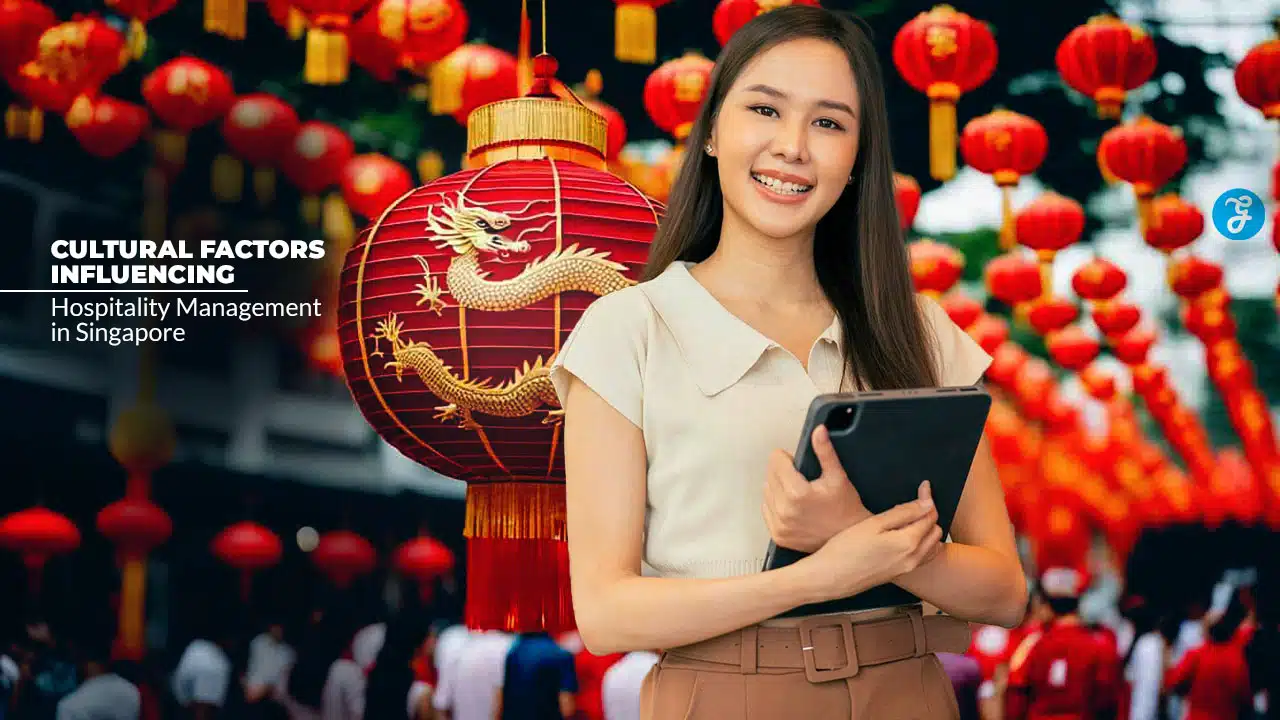
Hospitality management is an industry that thrives on creating exceptional customer experiences. In Singapore, a country renowned for its rich multicultural heritage, understanding cultural nuances is critical for success in the hospitality sector.
Singapore’s unique blend of Chinese, Malay, Indian, and Western influences creates a dynamic environment where cultural awareness is not just an asset but a necessity.
Hospitality professionals must consider cultural traditions, religious practices, and societal values to cater to the diverse preferences of both locals and international visitors.
From food and service styles to communication and guest interactions, cultural factors play a vital role in shaping hospitality strategies. For a country that attracts millions of tourists annually, adapting to cultural expectations is key to maintaining its global reputation as a world-class destination.
This article explores seven cultural factors that significantly influence hospitality management in Singapore. By understanding these factors, businesses can deliver tailored services that enhance customer satisfaction and loyalty.
1. Multicultural Diversity
Singapore’s rich multicultural diversity is one of its defining characteristics, with a population comprised of Chinese, Malay, Indian, and Eurasian communities. This cultural mosaic is not only a source of pride for the nation but also a crucial factor shaping its hospitality industry.
For hospitality businesses, catering to this diverse population means understanding the unique preferences, traditions, and expectations of various cultural groups.
From offering a wide range of cuisines, such as halal options for Malay Muslims and vegetarian dishes for Indian guests, to celebrating important cultural festivals like Chinese New Year, Hari Raya, and Deepavali, the hospitality sector thrives by embracing diversity.
Furthermore, businesses must consider differences in service expectations, such as the need for efficiency among Chinese customers versus personalized interactions for Indian guests.
By understanding and respecting these cultural dynamics, hospitality professionals can create inclusive and memorable experiences that appeal to both locals and international visitors.
Key Influences
- Food and Beverage Preferences: Multicultural diversity means that hospitality businesses must offer a variety of cuisines, including halal options for Malay Muslims and vegetarian options for Indian guests.
- Festive Celebrations: Hotels and restaurants often celebrate cultural festivals such as Chinese New Year, Hari Raya, and Deepavali, offering themed menus and decorations.
- Customer Interaction Styles: Different cultural groups may have unique expectations regarding service. For example, Chinese guests may value efficiency, while Indian guests may prioritize personalized interactions.
| Cultural Diversity Impact | Details |
| Diverse Culinary Offerings | Inclusive menus cater to multiple cultures |
| Festival Celebrations | Attract local and international guests |
| Tailored Customer Service | Meets varying cultural expectations |
2. Religious Sensitivities
Religion plays a central role in the lives of many people in Singapore, influencing their daily practices, dietary preferences, and expectations for hospitality services.
For hospitality businesses, understanding and accommodating religious sensitivities is essential for providing a welcoming environment. For instance, offering halal-certified food is crucial for Malay Muslim guests, while ensuring vegetarian or Jain-friendly options is important for Indian guests.
Hotels and restaurants that provide prayer rooms or spaces for religious observances further enhance the guest experience, demonstrating respect for their beliefs.
Additionally, celebrating religious festivals such as Hari Raya Puasa, Deepavali, and Christmas with themed events and packages creates a sense of inclusivity and community.
By incorporating religious sensitivities into their services, hospitality businesses not only cater to local traditions but also build trust and loyalty among international visitors with similar practices.
Key Influences
- Halal Certification: For Malay Muslims, halal food is a non-negotiable requirement, prompting many hotels and restaurants to obtain halal certification.
- Prayer Facilities: Providing prayer rooms for Muslim guests enhances their experience.
- Festive Events: Events like Christmas, Chinese New Year, and Hari Raya Puasa are often marked with special packages and promotions.
| Religious Sensitivities | Details |
| Halal Food Options | Essential for Muslim guests |
| Prayer Facilities | Improves inclusivity and guest satisfaction |
| Holiday Celebrations | Attracts diverse clientele |
3. Language and Communication

Language is a key aspect of effective communication in hospitality management, and Singapore’s multilingual society presents both opportunities and challenges in this regard.
With four official languages—English, Mandarin, Malay, and Tamil—hospitality businesses must ensure that their services are accessible and welcoming to speakers of different languages. This involves hiring multilingual staff who can bridge communication gaps and provide personalized assistance to guests.
Additionally, translating important materials such as menus, signage, and brochures into multiple languages ensures that international visitors feel comfortable and informed.
Beyond language, understanding cultural communication styles, including body language and non-verbal cues, is equally important. For instance, some cultures prefer more formal greetings, while others value casual and friendly interactions.
By prioritizing clear and culturally sensitive communication, hospitality businesses can enhance guest satisfaction and create positive, lasting impressions.
Key Influences
- Multilingual Staff: Hiring staff proficient in multiple languages helps bridge communication gaps.
- Signage and Menus: Providing translations in commonly spoken languages ensures accessibility for all guests.
- Cultural Communication Styles: Understanding non-verbal cues and cultural preferences in communication enhances guest interactions.
| Language Impact | Details |
| Multilingual Staff | Enhances communication with diverse guests |
| Translated Materials | Improves accessibility for international guests |
| Culturally Sensitive Interactions | Builds stronger guest relationships |
4. Traditional Customs and Etiquette
Traditional customs and etiquette are deeply ingrained in Singaporean culture, and they significantly influence guest expectations in the hospitality sector.
Understanding these customs helps businesses create experiences that resonate with both local and international visitors. For example, certain cultures emphasize respectful greetings, such as bowing for Chinese guests or avoiding direct eye contact with elders in Malay culture.
Dining etiquette also varies, with practices like using chopsticks for Chinese meals or washing hands before eating in Indian traditions. Even the dress code of hospitality staff can reflect cultural appreciation, especially during festive seasons when traditional attire like cheongsams or saris adds a celebratory touch.
By paying attention to these nuances, hospitality professionals demonstrate cultural awareness and respect, which are key to building trust and rapport with guests.
Key Influences
- Greetings and Gestures: Practices like bowing or avoiding direct eye contact with older guests may be preferred by certain cultures.
- Dining Etiquette: Understanding chopstick etiquette for Chinese guests or handwashing traditions for Indian guests adds a personalized touch.
- Dress Code: Staff attire that reflects local culture during festive seasons can create a memorable experience.
| Customs and Etiquette | Details |
| Greeting Styles | Vary across cultural groups |
| Dining Practices | Respect for traditions enhances experiences |
| Cultural Dress Themes | Adds charm during festive periods |
5. High Expectations for Cleanliness and Hygiene
Cleanliness and hygiene are integral to Singapore’s identity as one of the cleanest countries in the world. These values are mirrored in the hospitality industry, where maintaining high standards of hygiene is not just expected but demanded by guests.
Hotels, restaurants, and other establishments must ensure spotless facilities, from guest rooms and dining areas to common spaces. Food safety is another critical aspect, as guests trust that the meals served meet stringent hygiene standards.
In the wake of the COVID-19 pandemic, the importance of hygiene has only increased, with measures such as contactless check-ins, frequent sanitization, and the provision of hand sanitizers becoming standard.
Hospitality businesses that prioritize cleanliness not only meet guest expectations but also enhance their reputation for safety and reliability, attracting repeat customers and positive reviews.
Key Influences
- Spotless Facilities: Hotels and restaurants must maintain impeccable cleanliness to meet guest expectations.
- Food Safety Standards: Adhering to food safety regulations is crucial for earning customer trust.
- COVID-19 Protocols: Post-pandemic, heightened hygiene measures such as sanitization stations and contactless services have become essential.
| Cleanliness Focus | Details |
| Immaculate Rooms | Builds trust and comfort |
| Food Safety Compliance | Essential for guest confidence |
| COVID-19 Safety Measures | Mandatory for operational continuity |
6. Emphasis on Family-Friendly Services
Family is a cornerstone of Singaporean society, and this cultural value is reflected in the hospitality industry’s emphasis on family-friendly services. For many locals and tourists alike, traveling with family is a priority, and businesses that cater to this demographic gain a significant advantage.
Hotels that offer spacious family rooms, interconnected suites, and babysitting services provide convenience for parents traveling with children. Restaurants with children’s menus, high chairs, and play areas create a welcoming environment for families.
Special promotions and packages during school holidays or festive seasons encourage group bookings and extended stays. By focusing on the needs of families, hospitality businesses not only enhance guest satisfaction but also establish themselves as inclusive and thoughtful service providers.
Key Influences
- Family Rooms: Hotels offering spacious family suites attract more guests.
- Child-Friendly Dining: Restaurants with children’s menus and play areas create a welcoming atmosphere.
- Festival Packages: Holiday promotions for families encourage group bookings.
| Family-Focused Services | Details |
| Family Suites | Accommodate larger groups |
| Children’s Menus | Tailored dining options for younger guests |
| Group Discounts | Encourage extended stays and bookings |
7. Appreciation for Innovation and Technology
Singapore is known for its technological advancements, and this innovative spirit extends to its hospitality industry. Guests in Singapore, both local and international, expect a seamless blend of comfort and technology in their hospitality experiences.
Smart hotel rooms equipped with voice-controlled lighting, temperature settings, and entertainment systems cater to tech-savvy travelers. Mobile apps for check-ins, room service, and concierge services offer convenience and flexibility.
Additionally, the integration of artificial intelligence (AI) for personalized recommendations, chatbots for 24/7 customer service, and data analytics for optimizing guest experiences highlights the industry’s forward-thinking approach.
By embracing these technological trends, hospitality businesses in Singapore enhance efficiency, improve guest satisfaction, and maintain their competitive edge in a rapidly evolving market.
Key Influences
- Smart Rooms: Features like voice-controlled lighting and temperature settings appeal to tech-savvy guests.
- Mobile Apps: Apps for booking, check-ins, and room service improve convenience.
- AI Integration: Chatbots and AI-driven analytics enhance personalized services.
| Technological Integration | Details |
| Smart Hospitality Tools | Elevate guest experiences |
| Mobile Convenience | Streamlines booking and services |
| Personalized AI Services | Tailored interactions based on preferences |
Takeaway
Cultural factors deeply influence hospitality management in Singapore, shaping everything from food offerings and communication styles to technological integration.
By understanding and adapting to these cultural nuances, hospitality businesses can deliver services that resonate with their diverse clientele.
Whether it’s respecting religious practices, celebrating cultural festivals, or leveraging innovative technologies, addressing these factors ensures a competitive edge in Singapore’s thriving hospitality industry.
Let me know if you’d like further details or additional sections added!
























