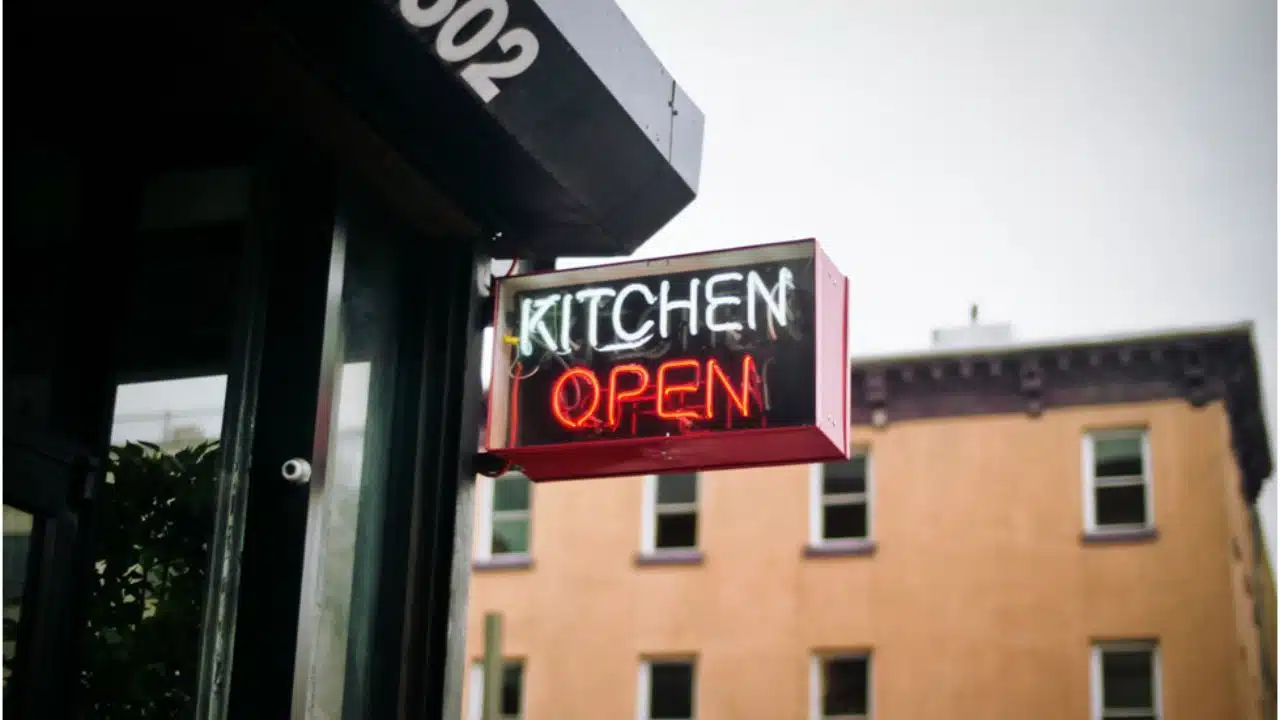
Hiring a bartender for your restaurant in New York City is a critical decision that can significantly impact your business’s success. A Skilled bartender does more than just mix drinks; they create an atmosphere, engage with customers, and contribute to the overall dining experience. In the NYC restaurant bartender jobs scene, having the right bartender can set your establishment apart.
Essential qualifications and skills
When hiring a bartender, it’s important to look for essential qualifications and skills beyond basic knowledge. Ensure that candidates have the proper certifications, such as the New York State Alcohol Training Awareness Program (ATAP), which educates on responsible alcohol service. Seek out individuals with proven experience in high-volume environments and familiarity with a wide range of cocktails and beverages.
A good bartender should also possess excellent communication skills, the ability to multitask, and a strong sense of customer service. They need to be quick on their feet, organized, and able to handle the pressure of a busy bar while maintaining a friendly and professional demeanor.
Legal considerations and compliance
New York City has specific regulations and laws regarding the service of alcohol. It’s crucial to ensure that your bartender is aware of and compliant with these laws to avoid any legal issues. This includes understanding the legal drinking age, recognizing signs of intoxication, and knowing when to refuse service.
Familiarize yourself with the New York State Liquor Authority (NYSLA) guidelines, which cover various aspects of alcohol service, from licensing to health and safety standards. Ensuring your bartender knows these regulations will help maintain a safe and compliant establishment.
Cultural fit and personality
The cultural fit of a bartender within your restaurant team is just as important as their technical skills. A bartender’s personality should align with the atmosphere and brand of your restaurant. For example, if your establishment has a relaxed, laid-back vibe, a bartender with a warm and approachable demeanor would be ideal. Conversely, if your restaurant is more upscale and formal, a bartender with a polished and professional attitude would be a better fit.
Conducting thorough interviews and trial shifts can help assess whether a candidate’s personality and work style match your restaurant’s culture. Observing how they interact with customers and staff during a busy shift can provide valuable insights into their suitability for your team.
Craftsmanship and creativity
In New York City’s vibrant restaurant scene, creativity and craftsmanship are highly valued. A great bartender should be able to create unique and innovative cocktails that reflect your restaurant’s identity. Look for candidates who have a passion for mixology and keep up with the latest trends and techniques in the industry.
Ask potential hires to demonstrate their creativity by designing a signature cocktail for your menu. This not only showcases their skills but also gives you a glimpse into their ability to innovate and contribute to your restaurant’s unique offerings.
Experience and references
While skills and personality are crucial, experience is often the key to finding a great bartender. Experienced bartenders are more likely to handle high-pressure situations smoothly and provide excellent customer service. They also tend to have a better understanding of inventory management, drink costing, and other operational aspects of running a bar.
Always check references to verify a candidate’s experience and reliability. Speaking with previous employers can provide insights into their work ethic, punctuality, and ability to work as part of a team. This step is essential to ensure that you are hiring someone who will be a valuable addition to your restaurant.
Work ethic and reliability
Reliability and a strong work ethic are essential qualities for a bartender. In an industry where shifts can be long and physically demanding, having a bartender who shows up on time, consistently performs well, and demonstrates dedication is crucial.
During the hiring process, look for signs of reliability such as a stable work history and positive references. Asking situational questions during the interview can also help gauge a candidate’s work ethic and problem-solving abilities.
Customer service orientation
A bartender’s ability to provide excellent customer service can significantly influence a customer’s experience and loyalty to your restaurant. Bartenders often serve as the face of the establishment, engaging directly with patrons and setting the tone for their visit.
Evaluate a candidate’s customer service skills by asking about past experiences handling difficult customers, managing busy periods, and creating a welcoming environment. A bartender who excels in customer service can enhance the overall atmosphere of your restaurant and contribute to positive reviews and repeat business.
Teamwork and collaboration
Bartenders need to work closely with other staff members, including servers, kitchen staff, and management. A collaborative attitude and the ability to communicate effectively with colleagues are essential for maintaining a smooth operation and providing excellent service.
During the hiring process, assess a candidate’s teamwork skills by asking about their previous experiences working in a team-oriented environment. Look for individuals who demonstrate a cooperative spirit and the ability to work well under pressure.
To wrap up
Hiring the right bartender for your restaurant in New York City involves considering a combination of skills, experience, personality, and cultural fit. By prioritizing these factors and thoroughly vetting candidates, you can find a bartender who not only excels in their role but also enhances the overall experience for your customers. With the right bartender, your restaurant can thrive in the competitive NYC dining scene, offering exceptional service and memorable moments for your patrons.