

Italy, with its breathtaking landscapes, rich history, and charming architecture, is a dream destination for many property buyers.
Whether you’re eyeing a rustic villa in Tuscany or a chic apartment in Rome, owning a piece of Italy is undoubtedly exciting.
However, purchasing property in Italy involves more than just the sale price. Hidden costs can quickly add up, and failing to account for them could lead to financial strain.
To ensure your investment journey is as seamless as possible, this article will outline 12 hidden costs you must consider when buying property in Italy. Understanding these expenses will help you budget effectively and avoid any unwelcome surprises.
1. Property Transfer Tax (Imposta di Registro)
What Is It?
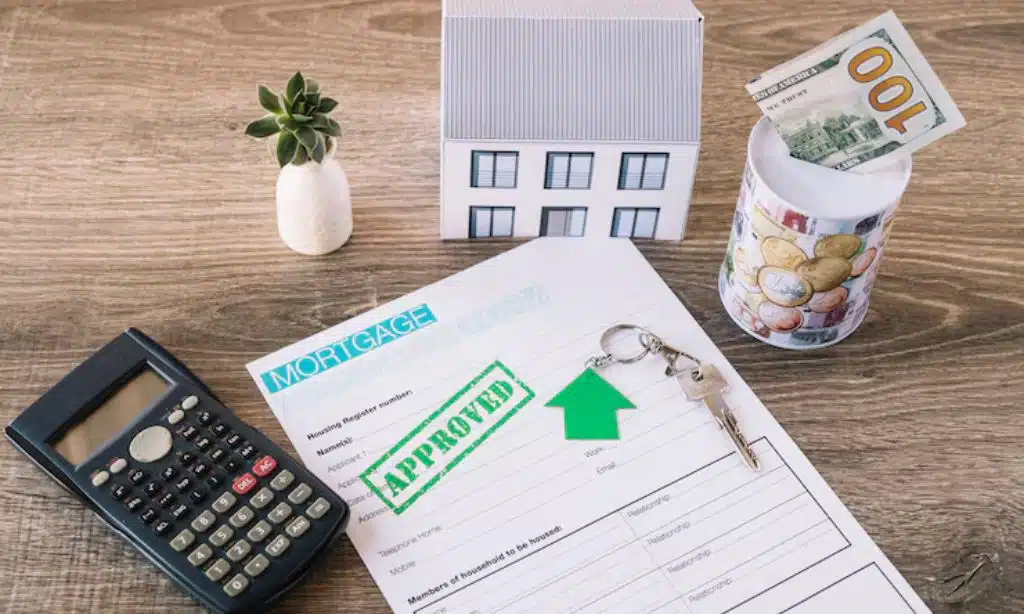
The property transfer tax, known as “Imposta di Registro,” is one of the most significant additional costs when buying a property in Italy.
How Much Does It Cost?
- Primary Residence: 2% of the cadastral value if the property will be your main residence.
- Secondary Residence: 9% of the cadastral value for vacation homes or investment properties.
Key Considerations
- The cadastral value is often lower than the market price, but it still impacts your overall budget.
- First-time homebuyers may qualify for reduced rates.
2. Notary Fees (Notaio)
What Are They?
In Italy, notaries play a vital role in property transactions. They oversee legal compliance, draft contracts, and register property titles.
Cost Range
- Typically between 1% and 2% of the purchase price.
Why It’s Essential
- A notary ensures that the transaction adheres to Italian property laws.
- Their involvement is mandatory, so this cost is non-negotiable.
3. Agency Fees (Provvigione)
What Are They?
If you use a real estate agent, their fees are an additional expense to factor in.
Cost Breakdown
- Usually 3%–5% of the property’s purchase price, split between buyer and seller.
- VAT at 22% is applied to the agent’s fee.
Tips to Save
- Negotiate the commission rate upfront.
- Consider working with independent agencies that may offer lower fees.
4. Legal Fees (Avvocato)
Why Do You Need a Lawyer?
Hiring a lawyer ensures that your purchase is legally sound, especially if you’re unfamiliar with Italian property laws.
Costs
- Legal fees can range from €1,500 to €3,000, depending on the complexity of the transaction.
Additional Services
- Title checks to ensure no outstanding debts or disputes.
- Drafting and reviewing contracts.
5. Mortgage Costs
Associated Costs
If you’re financing your purchase with a mortgage, additional fees will apply:
- Application Fees: €500–€1,500
- Bank Valuation Fee: €300–€500
- Stamp Duty: 0.25% of the loan amount for primary residences; 2% for secondary homes.
Key Considerations
- Foreign buyers may face higher interest rates.
- Banks may require life insurance as a condition for granting the loan.
6. Currency Exchange Fees
Why It Matters
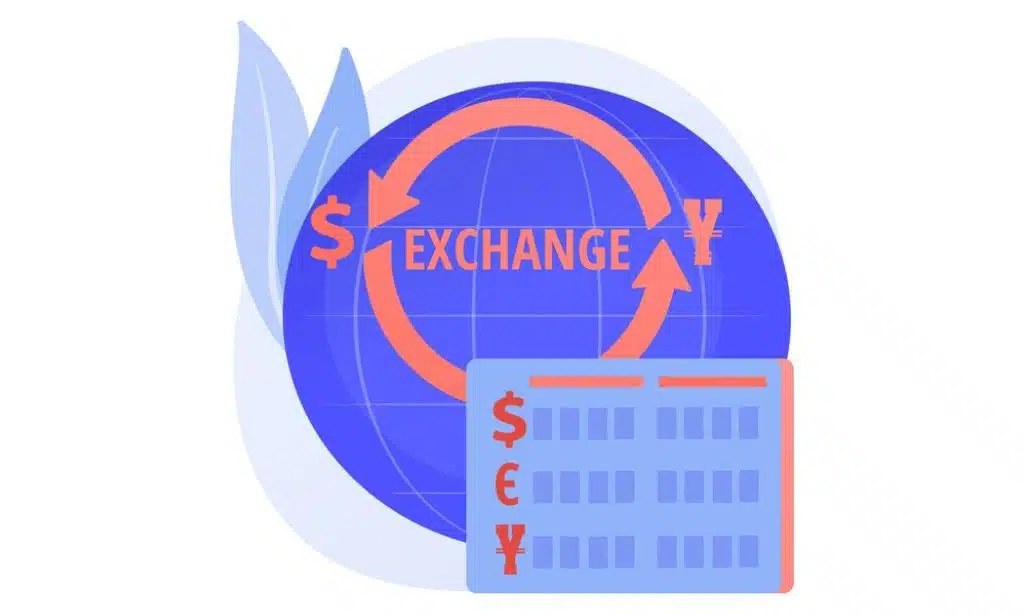
If you’re buying property in Italy as a foreigner, currency exchange rates and transfer fees can significantly impact your budget.
Costs to Expect
- Exchange rate fluctuations can increase costs by thousands of euros.
- Banks and money transfer services may charge 1%–3% per transaction.
How to Minimize Costs
- Use specialized currency exchange services for better rates.
- Lock in exchange rates with forward contracts.
7. Surveyor and Inspection Fees (Geometra)
What Does a Surveyor Do?
A surveyor assesses the property’s structural condition and ensures compliance with building regulations.
Costs
- Inspection fees range from €500 to €2,000, depending on the property’s size and location.
Why It’s Crucial
- Identifies potential issues like structural damage or illegal extensions.
- Helps avoid costly repairs post-purchase.
8. Utility Connection and Activation Fees
What Are They?
Setting up utilities like electricity, water, and gas often comes with activation fees.
Costs
- Utility connection fees can range from €200 to €500 per service.
- Additional costs may apply for properties requiring major upgrades to utility systems.
Pro Tip
Factor in ongoing monthly utility bills, as they can be higher in rural areas.
9. Property Maintenance Costs
Why It’s Important
Maintaining a property in Italy, especially an older home, can lead to significant ongoing expenses.
Common Costs
- Regular maintenance: €1,000–€2,000 annually.
- Renovations: Costs vary widely but can reach €50,000 or more for extensive projects.
Tips to Save
- Request a detailed maintenance history before purchasing.
- Budget for unanticipated repairs.
10. Annual Property Taxes (IMU and TARI)
What Are They?
- IMU (Imposta Municipale Unica): A municipal property tax, primarily for secondary homes.
- TARI: A waste management tax.
Costs
- IMU: 0.4%–0.76% of the cadastral value.
- TARI: Varies based on property size and local rates.
Considerations
Primary residences are often exempt from IMU unless classified as luxury properties.
11. Homeowner’s Insurance
Why It’s Necessary
Although not mandatory, homeowner’s insurance is essential for protecting your investment against risks like natural disasters and theft.
Costs
- Premiums range from €200 to €500 annually, depending on coverage.
What to Look For
- Comprehensive policies that cover natural disasters, particularly in earthquake-prone regions.
12. Furniture and Interior Design Costs
Why It’s a Hidden Cost
Many properties in Italy are sold unfurnished, requiring additional expenses for furniture and decor.
Costs
- Basic furnishing: €5,000–€15,000 for a small property.
- High-end interior design: €50,000 or more.
Pro Tip
Consider buying locally to save on import costs and support artisans.
Takeaways
Buying property in Italy is a rewarding investment, but it’s crucial to account for hidden costs to avoid financial surprises. From taxes and legal fees to maintenance and furnishing expenses, these additional costs can significantly impact your budget.
By understanding these expenses and planning accordingly, you can make informed decisions and enjoy the process of owning a piece of Italy.
Work with experienced professionals, conduct thorough research, and always budget for contingencies to ensure a seamless property purchase experience.
With careful planning, your dream of owning property in Italy can become a fulfilling and financially sound reality.






















