

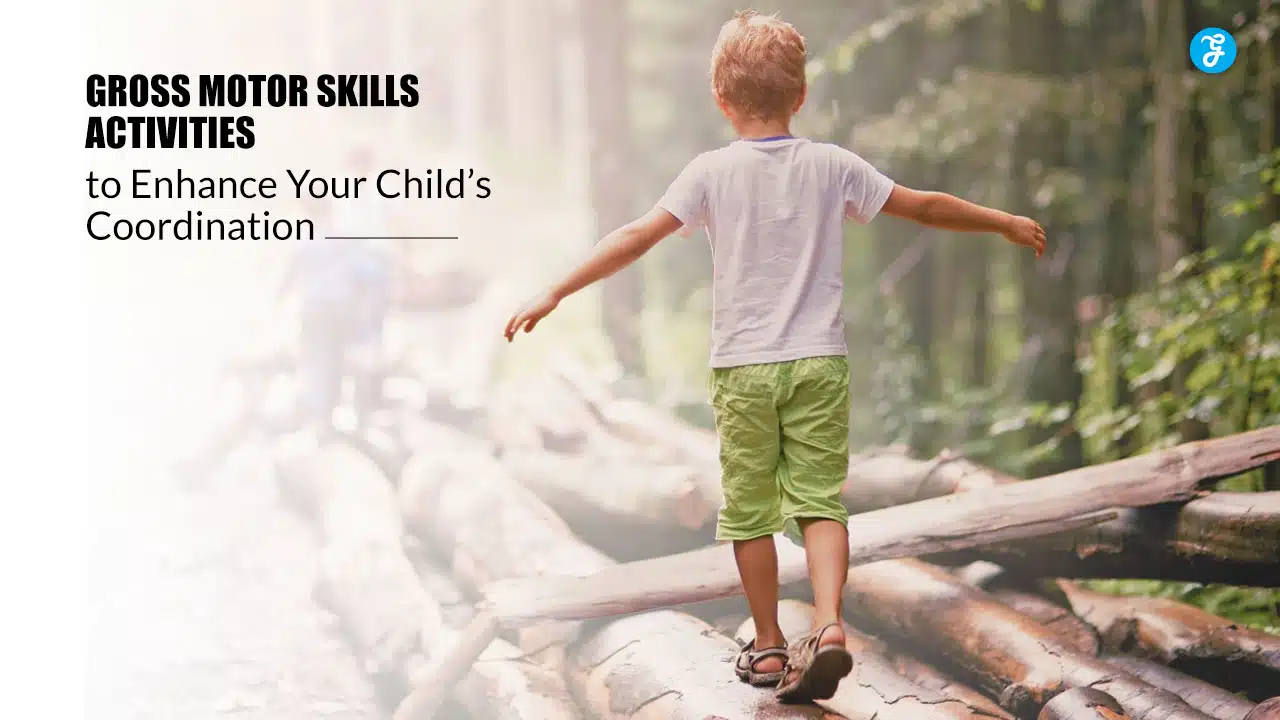
Childhood is a crucial period for physical, emotional, and cognitive development. Gross motor skills—the abilities to control and coordinate large muscle groups—form the foundation for movement and everyday activities. From running and jumping to throwing and climbing, these skills impact not only physical health but also academic success, social skills, and self-confidence.
This article dives into eight gross motor activities that will help your child develop coordination while having fun. With detailed explanations, benefits, and practical tips, this guide is perfect for parents, caregivers, and educators looking to support a child’s physical development in meaningful ways.
What Are Gross Motor Skills?
Gross motor skills refer to the use of large muscle groups in the arms, legs, and core to perform tasks that require coordination and strength. They differ from fine motor skills, which involve smaller muscle groups for precise movements like writing or buttoning a shirt.
Key Gross Motor Skills
- Walking
- Running
- Jumping
- Balancing
- Climbing
- Throwing and catching
Why Are Gross Motor Skills Important?
Gross motor development is essential for more than just physical activity. It supports:
- Overall Health: Physical activities improve cardiovascular health, muscle tone, and flexibility.
- Cognitive Development: Movements require planning, problem solving, and spatial awareness.
- Social Engagement: Group activities encourage teamwork, communication, and emotional connections.
- Independence: Proficiency in gross motor skills enables children to perform daily tasks like dressing, carrying objects, and climbing stairs.
Understanding the significance of these skills is the first step toward fostering your child’s physical growth.
1. Obstacle Course Adventures
Obstacle courses are excellent for engaging multiple muscle groups while promoting creativity and problem-solving. These courses challenge children to crawl, jump, climb, and balance as they navigate various obstacles.
How to Create an Obstacle Course
- Indoor Options: Use furniture, cushions, and toys to create tunnels and barriers. Add balance beams made of masking tape or wooden planks.
- Outdoor Options: Incorporate natural elements like rocks, logs, or playground equipment. Include hoops for jumping or cones for weaving.
Benefits
- Full-Body Engagement: Strengthens muscles in the arms, legs, and core.
- Problem-Solving Skills: These skills assist children in overcoming obstacles.
- Social Interaction: It fosters teamwork and group play.
2. Ball Games for Hand-Eye Coordination
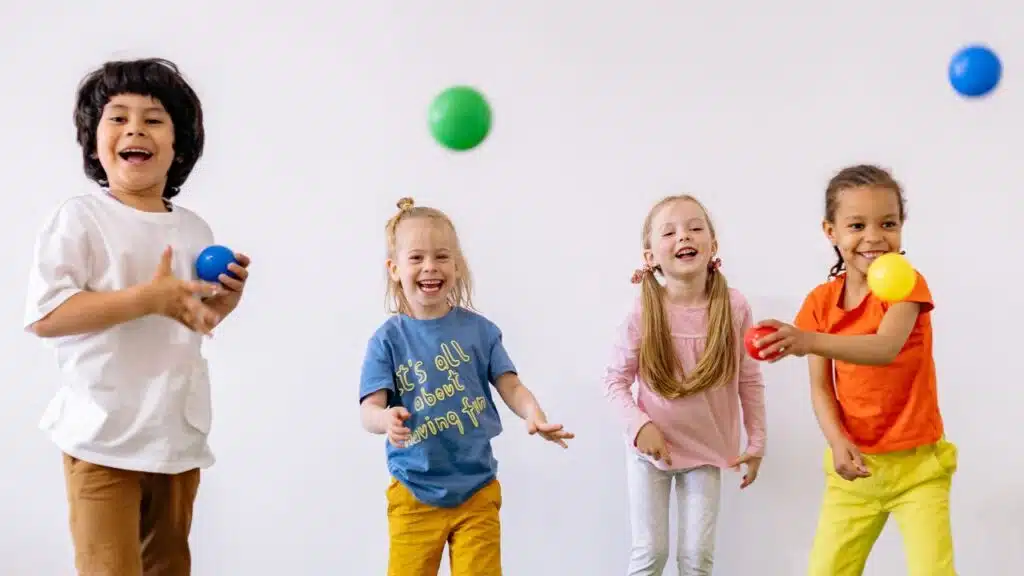
Ball games are a classic way to improve gross motor skills while having fun. Throwing, catching, and kicking activities build strength and coordination while also boosting focus and agility.
Activities to Try
- Basic Catch: Use a soft ball and start with short distances, gradually increasing the range.
- Soccer Drills: Practice dribbling and passing a soccer ball to develop foot-eye coordination.
- Basketball Hoops: Encourage kids to aim and shoot into a hoop, improving their accuracy and motor planning.
Why It Works
Ball games enhance:
- Muscle Strength: It strengthens the muscles in the arms, legs, and core.
- Reflexes: Improves reaction time and agility.
- Focus and Concentration: This keeps kids engaged and attentive during play.
3. Jumping Games with Added Challenges
Jumping is not only fun but also a fantastic way to strengthen leg muscles and improve coordination. By adding a creative element, such as hopscotch or trampoline play, you can make this activity even more engaging.
Popular Jumping Activities
- Hopscotch: Draw a grid with chalk and challenge kids to jump in sequence.
- Trampoline Time: Let kids bounce safely on a trampoline to enhance their leg strength and balance.
- Jump Rope: Teach children simple skipping techniques, or try group games like Double Dutch.
Developmental Benefits
- Improves bone density through impact exercises.
- Enhances timing and rhythm.
- Boosts cardiovascular fitness, supporting overall health.
4. Balance Beam Fun
Balancing is an essential skill that contributes to posture, stability, and overall body awareness. Introducing balance beam activities can help children build core strength while improving their focus and coordination.
DIY Balance Beams
- Masking Tape: Lay down tape in a straight line on the floor for kids to walk on.
- Wooden Plank: Use a sturdy board for a more advanced challenge.
- Outdoor Alternatives: Logs, curbs, or rocks can serve as natural balance beams.
Benefits for Kids
- Develops core muscles and improves posture.
- It enhances spatial awareness, which is critical for sports.
- As kids master the challenge of walking a straight line, their self-confidence grows.
5. Crawling Games for Total Body Coordination
Crawling activities are perfect for younger children and even older kids as they strengthen the connection between the brain and body. Crawling engages the arms, legs, and core, helping kids develop coordination and spatial awareness.
Fun Crawling Ideas
- Animal Crawls: Ask kids to mimic movements like a bear, crab, or snake.
- Tunnel Crawling: Utilize pre-made tunnels or construct your own with chairs and blankets.
- Crawling Races: Add a competitive element to encourage speed and precision.
How Crawling Helps
- Strengthens upper body muscles.
- Improves coordination between arms and legs.
- Encourages problem-solving and creativity.
6. Dance for Coordination and Expression
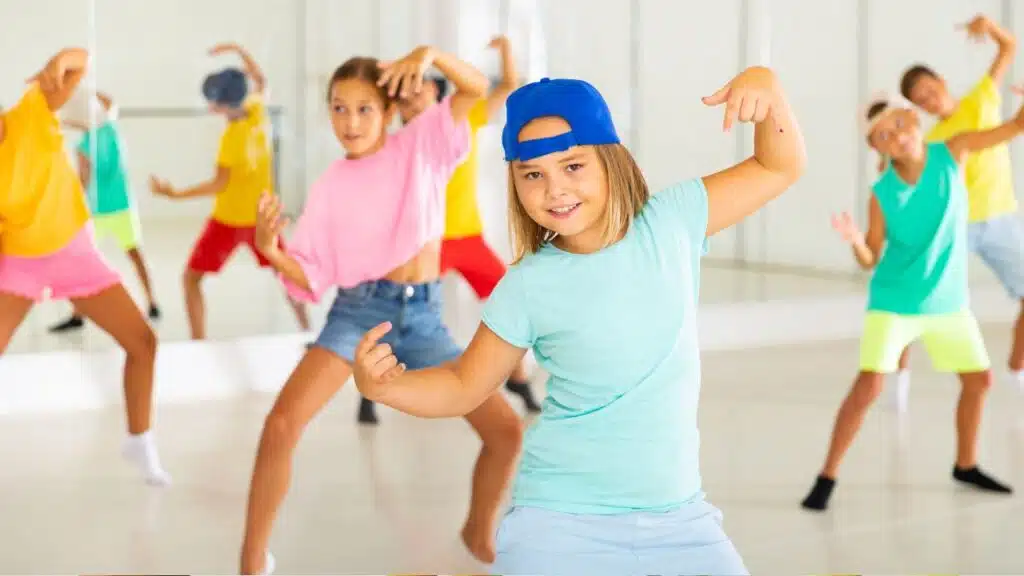
Dance combines physical activity with creative expression, making it an ideal activity for children of all ages. Whether it’s structured lessons or freestyle movement, dance helps children develop rhythm, balance, and confidence.
Dance Games
- Freeze Dance: Let children dance freely, but they must freeze when the music stops.
- Copycat Dance: Have them mimic simple moves to enhance coordination.
- Cultural Dances: Introduce steps from traditional dances to broaden their horizons.
Benefits
- Builds muscle control and flexibility.
- Enhancing timing and rhythm is crucial for the development of gross motor skills.
- Dancing in groups fosters social interaction and collaboration.
7. Scooters and Tricycles for Mobility
Riding scooters or tricycles is an excellent way to strengthen leg muscles and improve balance. It also teaches children to navigate their environment independently.
Tips for Safe and Fun Riding
- Choose age-appropriate scooters or tricycles.
- Supervise your child and ensure they wear helmets and safety gear.
- Start with smooth, flat surfaces before moving to more complex terrains.
Developmental Benefits
- Builds lower body strength.
- It enhances spatial orientation and gross motor planning.
- It fosters a feeling of autonomy and self-reliance.
8. Climbing for Strength and Problem-Solving
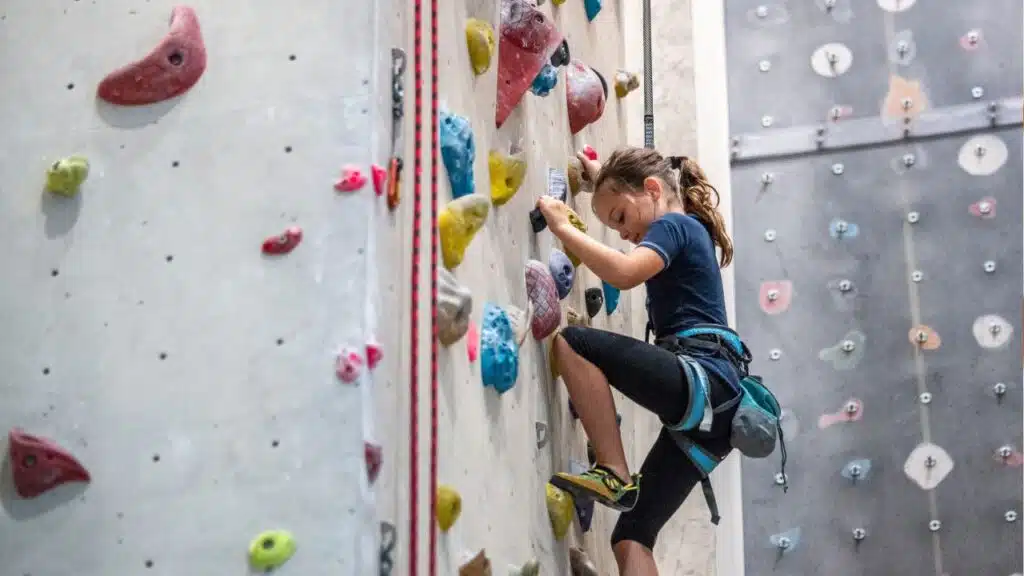
Climbing activities, whether on a playground or indoors, provide a full-body workout and engage a child’s critical thinking skills.
Climbing Opportunities
- Indoor Play Structures: Use climbing walls, ropes, or activity gyms.
- Playgrounds: Encourage kids to climb monkey bars or ladders.
- Outdoor Exploration: Nature-based climbing on rocks or hills provides unique challenges.
How It Helps
- Strengthens upper and lower body muscles.
- Improves spatial awareness and balance.
- It fosters resilience and problem-solving abilities in children as they confront obstacles.
How Parents Can Support Gross Motor Development?
Tips for Success
- Be Patient: Every child develops at their own pace. Encourage progress without pressure.
- Set Up Play Areas: Create safe spaces at home or outdoors for active play.
- Incorporate Variety: Rotate activities to keep your child engaged and excited.
- Celebrate Milestones: Acknowledge small achievements to build your child’s confidence.
Table: Suggested Gross Motor Activities by Developmental Stage
| Age Group | Activity Examples | Developmental Focus |
|---|---|---|
| 1-2 years | Crawling, walking with support, soft climbing | Strengthening core muscles, balance |
| 3-5 years | Jumping, throwing, dancing, obstacle courses | Coordination, rhythm, spatial awareness |
| 6-8 years | Ball games, riding scooters, basic sports | Agility, teamwork, endurance |
| 9+ years | Climbing, advanced obstacle courses, jump rope | Strength, problem-solving, resilience |
Conclusion
Gross motor skill development is a cornerstone of childhood growth and learning. Engaging in activities like dancing, ball games, obstacle courses, and climbing not only strengthens the body but also enhances mental and emotional well-being. By incorporating these eight activities into your child’s routine, you are setting them up for a lifetime of confidence, health, and success.
Encourage your child to explore, play, and embrace new challenges. With consistent practice and a supportive environment, gross motor skills will flourish, giving your child the foundation to thrive in all aspects of life.
























