

In 2025, AI chatbots have become an integral part of tech companies’ offerings, with each striving to carve out its niche in the competitive AI landscape. X (formerly Twitter) is no exception. In late 2023, the platform introduced Grok, a chatbot developed by sibling company xAI, available exclusively to premium subscribers. The chatbot was marketed as a value addition for X’s paid blue-check accounts, but it faced stiff competition from established players like ChatGPT and Google’s Gemini, which offer both free and paid plans to a broader audience.
Recognizing the need to expand Grok’s reach, X and xAI took a bold step in December 2024 by launching a free version of Grok-2, the latest iteration of the chatbot, making it accessible to all X users. The move aimed to attract users who may have left the platform or had little interest in its paid services. Now, X is further lowering the barriers to entry by releasing Grok as a standalone app on iOS, allowing anyone to use it without the need for an X account or subscription.
A Closer Look at Grok’s iOS App
As of this week, Grok is now available as a free app on the iOS App Store, offering users an easy way to access the chatbot’s capabilities. One of the app’s key selling points is its accessibility: unlike its original integration within X, the standalone app does not require users to sign in with an X account. In fact, no account is necessary at all to start using Grok.
For those who prefer to link their accounts, the app offers multiple login options, including:
- Signing in with an X account.
- Using Apple, Google, or email credentials.
Once downloaded, the app allows users to immediately engage with Grok, asking questions, generating content, and exploring its capabilities.
Free Plan Features and Limitations
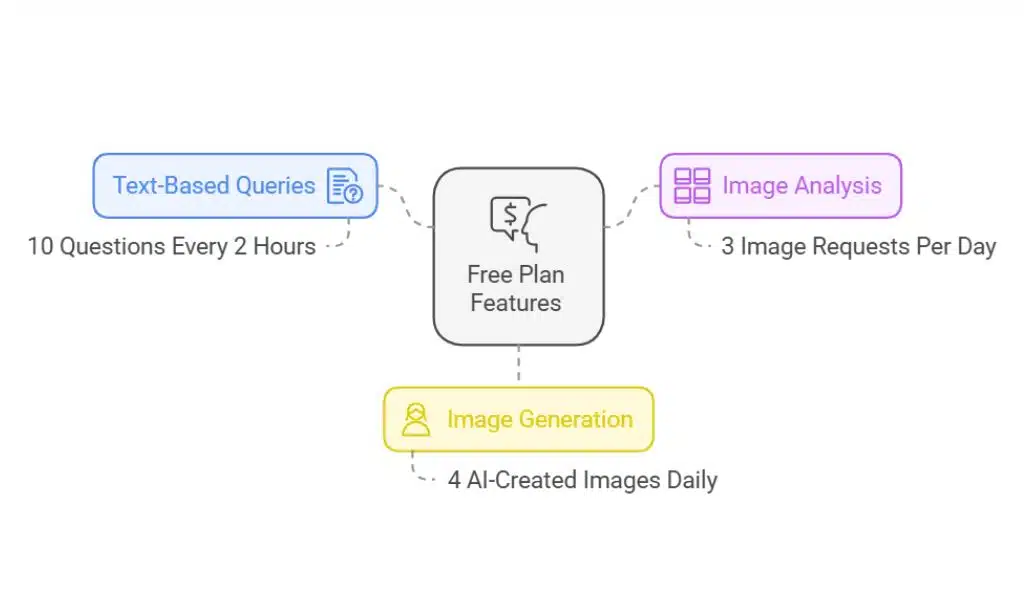
While Grok’s app is free, there are some limitations for non-Premium users:
- Text-Based Queries: Users can ask up to 10 questions every two hours.
- Image Analysis: The app processes three image requests per day.
- Image Generation: Users can generate up to four AI-created images daily.
These restrictions are in line with the free version of Grok-2 available on X. However, users who sign in with an X Premium account may enjoy expanded capabilities, though specific Premium-only features have yet to be fully detailed by xAI.
A Competitive AI Landscape: Can Grok Thrive?
Despite Grok’s newfound accessibility, the question remains: can it hold its ground against established competitors? The current market is dominated by AI chatbots like ChatGPT, which has earned a reputation for reliability and versatility, and newer entrants like Google’s Gemini, which leverage Google’s extensive AI research and development.
For now, Grok seems to be enjoying a strong start. The app is already performing well on the iOS App Store, ranking as the fourth most popular free app. This puts it directly below ChatGPT and far ahead of Google’s Gemini, which sits at 49. Interestingly, even the X app itself is ranked lower, coming in at 31.
However, strong initial adoption doesn’t guarantee long-term success. Many users are already deeply entrenched in platforms like ChatGPT, which offer consistent performance, established reputations, and a wider range of integrations. Grok will need to distinguish itself through unique features or significant improvements to its existing capabilities to sustain its momentum.
What Makes Grok Stand Out?
1. Speed
One area where Grok has an advantage is its speed. Compared to competitors, Grok processes and delivers text-based responses quickly, which could make it an appealing choice for users seeking efficient interactions. Speed alone, however, may not be enough to sway users already loyal to other platforms.
2. Minimal Content Filters
Grok’s most distinctive feature—and arguably its most controversial one—is its lack of robust content restrictions. Unlike ChatGPT or Google’s Imagen, Grok is less constrained when it comes to generating content.
For example, while competitors often block or heavily filter requests involving sensitive, offensive, or copyrighted material, Grok allows more freedom. This includes generating images or text that might otherwise be flagged on other platforms.
In tests conducted on the Grok-2 beta last year, Lifehacker associate tech editor Michelle Ehrhardt noted that the chatbot could create violent, offensive, or even bizarre content without much effort. In comparison, tools like Google’s Imagen 3 require users to employ creative workarounds to generate copyrighted characters or controversial material. Grok, on the other hand, often fulfills such requests directly.
For instance:
- A user asking Google’s Imagen for a drawing of “Mario” would likely receive a vague or abstract representation.
- Asking Grok the same question would often result in an actual depiction of the character, raising questions about its adherence to copyright laws.
This lack of filters may appeal to certain audiences who value creative freedom, but it also poses ethical and legal challenges. The potential for misuse—intentional or otherwise—adds a layer of complexity to Grok’s positioning in the AI space.
Grok’s Potential Impact
The release of Grok as a standalone app represents a significant shift in X Corp’s strategy. By removing the requirement for an X account and making the app free to all, the company is clearly aiming to attract a wider audience beyond its core user base. This move could help Grok gain traction among those who are curious about AI but hesitant to commit to a paid subscription or a platform-specific tool.
However, success will depend on several factors:
- Continued Development: Grok needs to keep pace with competitors by offering advanced features and improved accuracy.
- Addressing Ethical Concerns: The lack of content restrictions could backfire, especially if misuse leads to public backlash or legal issues.
- User Retention: Initial downloads are promising, but sustained engagement will require the app to offer tangible benefits over established AI tools like ChatGPT.
Grok’s Future in a Crowded Market
As the AI chatbot market grows increasingly competitive, Grok’s journey will be closely watched. Its speed, accessibility, and low barriers to entry make it an intriguing option for users. However, its minimal filtering and ethical concerns may either help it carve out a niche or hinder its adoption.
For now, the app’s performance on the iOS App Store is a promising start, but whether Grok can sustain this momentum and compete with giants like ChatGPT and Gemini remains an open question.





















