

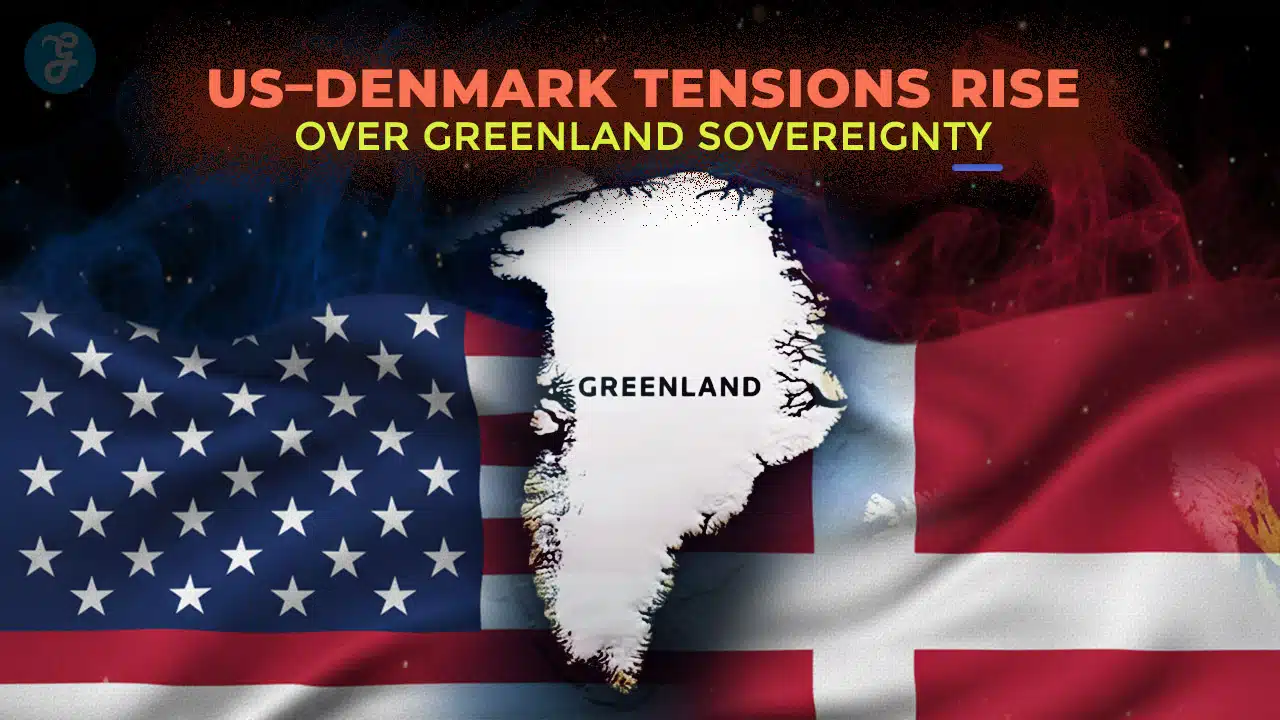
The Trans‑Atlantic alliance is fracturing as President Trump weaponizes trade to force the cession of Greenland. Following a perceived snub by the Nobel Committee and a successful intervention in Venezuela, the US has issued an ultimatum: transfer sovereignty of the Arctic island or face crippling 10‑25% tariffs. The battle over Greenland sovereignty has become the defining flashpoint of this crisis, underscoring how far tensions have escalated over control of the Arctic. This redefines NATO relationships from mutual defense to transactional coercion.
Key Takeaways
- The “Tariff Ladder” Ultimatum: The US has set a February 1, 2026 deadline for a 10% tariff on eight European nations, escalating to 25% by June 1 if sovereignty talks do not begin.
- Strategic Linkage: The demand is explicitly tied to the “Golden Dome” missile defense project and the “GIUK Gap,” viewing Denmark’s ownership as a security liability.
- Tech & Resources: Silicon Valley billionaires (Gates, Bezos, Thiel) are already mobilized, with ventures like KoBold Metals and the proposed “Freedom City” treating the island as a new frontier for AI resources and governance.
- Diplomatic rupture: The crisis was triggered by a mix of strategic anxiety over China and personal grievance over the 2025 Nobel Peace Prize going to the Venezuelan opposition.
The Road to Crisis: From “Absurdity” to Economic Siege
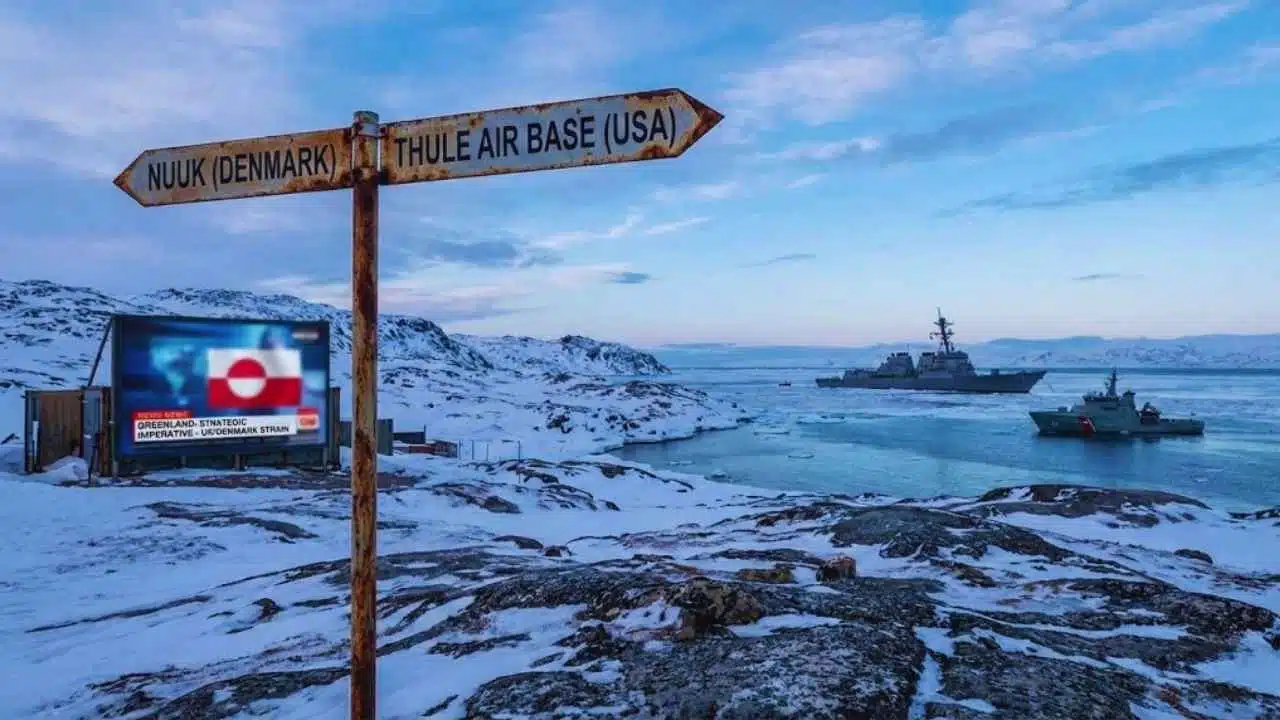
The path to the current standoff began in August 2019, when President Trump’s initial inquiry into purchasing Greenland was dismissed by Danish Prime Minister Mette Frederiksen as “absurd.” While the idea was ridiculed then, the underlying geopolitical logic—securing the North American continent’s Arctic flank—remained a fixation for US strategists.
The situation metastasized in late 2025. Emboldened by a military success in Venezuela and the capture of Nicolás Maduro, the Trump administration pivoted north. The catalyst for the current escalation, however, appears personal as well as political: the October 2025 decision by the Norwegian Nobel Committee to award the Peace Prize to Venezuelan opposition leader María Corina Machado, rather than the US President. This “snub” reportedly dissolved Trump’s sense of obligation to European norms, leading to the January 2026 declaration that the US would acquire Greenland “one way or the other.” What was once a real estate proposition has morphed into a coercive diplomatic siege, with the US arguing that a nation of 6 million (Denmark) can no longer shield the continent from Russian hypersonics or Chinese encroachment.
The Anatomy of a Geopolitical Rupture
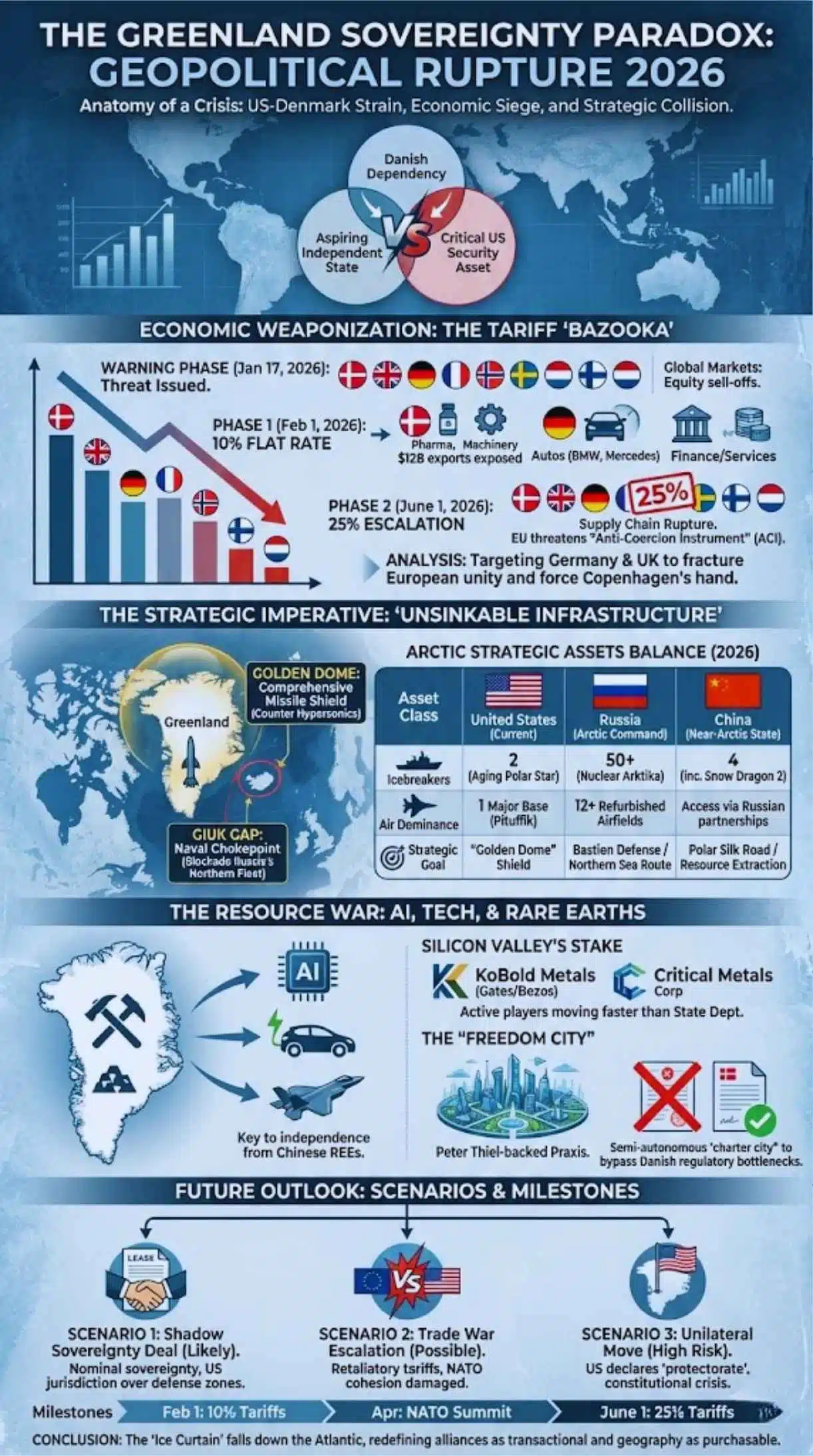
The “Greenland Paradox” is that the island is simultaneously a Danish dependency, an aspiring independent state, and a critical US security asset. The 2026 crisis forces these identities into collision.
Economic Weaponization: The Tariff “Bazooka”
The most immediate impact is the weaponization of the US market against NATO allies. Unlike previous trade wars focused on protectionism, these tariffs are explicitly political tools designed to extract territorial concessions.
The US Tariff Escalation Ladder (2026)
| Phase | Date Effective | Tariff Rate | Target Nations | Key Sectors at Risk |
| Warning | Jan 17, 2026 | N/A (Threat Issued) | Denmark, UK, Germany, France, Norway, Sweden, Finland, Netherlands | Global Markets (Equity sell-offs) |
| Phase 1 | Feb 1, 2026 | 10% Flat Rate | Denmark: Pharma (Novo Nordisk), Machinery
Germany: Autos (BMW, Mercedes) UK: Finance/Services |
$12B in Danish exports directly exposed. |
| Phase 2 | June 1, 2026 | 25% Escalation | All 8 Nations | Supply Chain Rupture: EU threatens “Anti-Coercion Instrument” (ACI). |
Analysis: By targeting Germany and the UK alongside Denmark, the US is attempting to fracture European unity, pressuring Berlin and London to force Copenhagen to the negotiating table to save their own export sectors.
The Strategic Imperative: The “Golden Dome” & GIUK Gap
The US Department of Defense views Greenland not as land, but as “unsinkable infrastructure.”
- The Golden Dome: The Trump administration’s flagship defense project, a comprehensive missile shield, requires interceptors and radar stationed in Northern Greenland to effectively counter Russian hypersonic missiles launching over the pole.
- The GIUK Gap: This naval chokepoint (Greenland-Iceland-UK) is the only exit for Russia’s Northern Fleet into the Atlantic. With Russia’s submarine activity at Cold War highs, the US argues that Danish sovereignty is too “passive” to guarantee the blockade of this gap in a hot war.
Arctic Strategic Assets Balance (2026)
| Asset Class | United States (Current) | Russia (Arctic Command) | China (Near-Arctic State) |
| Icebreakers | 2 (Aging Polar Star class) | 50+ (Nuclear-powered Arktika class) | 4 (inc. Snow Dragon 2) |
| Air Dominance | 1 Major Base (Pituffik) | 12+ Refurbished Airfields | Access via Russian partnerships |
| Strategic Goal | “Golden Dome” Shield | Bastion Defense / Northern Sea Route | Polar Silk Road / Resource Extraction |
The Resource War: AI, Tech, and Rare Earths
The “Greenland Paradox” is also a story of technology. The island holds the key to the West’s independence from Chinese rare earth elements (REEs), which are essential for AI chips, EVs, and F-35s.
- Silicon Valley’s Stake: Tech billionaires have moved faster than the State Department. KoBold Metals (backed by Gates and Bezos) and Critical Metals Corp are already active.
- The “Freedom City”: Perhaps the most radical development is the involvement of Peter Thiel-backed Praxis, which envisions a semi-autonomous “charter city” in Greenland. This aligns with the US administration’s vision of privatizing development to bypass Danish regulatory bottlenecks that have stalled mining projects like Kvanefjeld.
Political Fallout: Sovereignty vs. Solvency
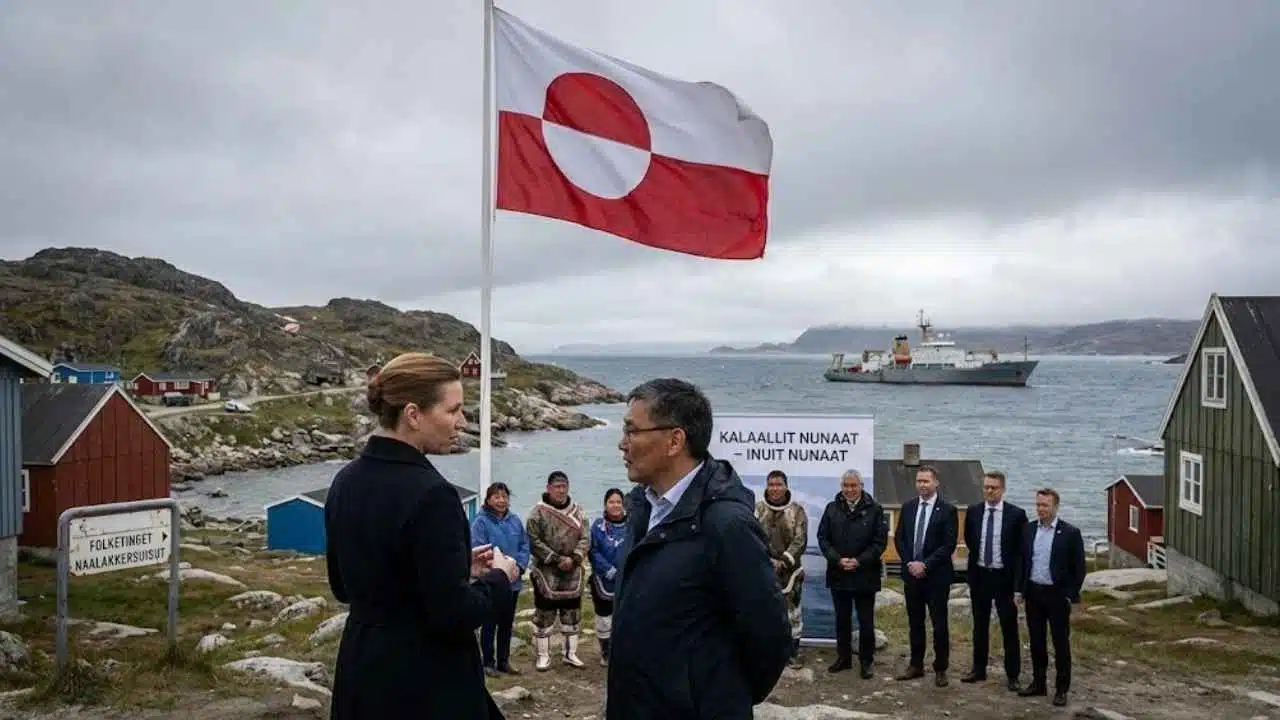
The political cost for Danish Prime Minister Mette Frederiksen is existential. Surrendering territory would be political suicide, yet resisting 25% tariffs could induce a recession.
- Greenland’s Stance: The local government, led by Múte B. Egede (and reflected in recent elections involving pro-independence figures like Jens-Frederik Nielsen), faces a dilemma. While seeking independence from Denmark, trading Copenhagen for Washington is viewed skeptically. The US offer of “stipends” to citizens was seen as culturally tone-deaf, yet the promise of mining revenue appeals to the pro-independence faction.
Expert Perspectives
The Geostrategic View (US Defense Analyst)
“We are seeing the ‘Monroe Doctrine’ extend to the Arctic. The US view is that in a world of hypersonic threats, we cannot outsource our northern border security to a small European state that spends less than 2% of GDP on defense. The purchase isn’t about colonialism; it’s about the physics of missile interception.”
The European Response (EU Trade Commissioner)
“This is economic hostage-taking. If the US applies Section 301 or IEEPA tariffs against allies to seize territory, the Trans-Atlantic trade & technology council is dead. Europe’s ‘Big Bazooka’—the Anti-Coercion Instrument—was built for China, but we may be forced to use it against Washington.”
The Market Perspective (Global Macro Strategist)
“Markets are pricing in the Phase 1 tariffs (10%) but not the rupture. If we hit June 1 and the 25% tariffs kick in, we are looking at a repricing of all European assets. Novo Nordisk alone represents a huge chunk of European equity value; putting them in the crosshairs is a precision economic strike.”
Future Outlook: What Happens Next?
As we approach the February 1, 2026 deadline, three scenarios are likely:
- The “Shadow Sovereignty” Deal (Likely): To save face, Denmark maintains nominal sovereignty, but signs a “99-year lease” granting the US total jurisdiction over expanded “defense zones” (covering key mining and missile sites). The tariffs are paused, framed as a “successful negotiation.”
- The Trade War Escalation (Possible): Denmark refuses. The US implements 10% tariffs. The EU retaliates with targeted counters on US swing-state industries (bourbon, motorcycles). The dispute drags on, damaging NATO cohesion just as Russian Arctic activity peaks.
- The Unilateral Move (High Risk): The US declares a “protectorate” status over Greenland, citing the Monroe Doctrine and invitational support from a faction of Greenland’s independence movement. This would provoke a constitutional crisis in the Kingdom of Denmark and a potential suspension of US-EU relations.
Upcoming Milestones
- February 1, 2026: Implementation of 10% Tariffs.
- April 2026: NATO Summit (Brussels) – Potential boycott by Scandinavian members.
- June 1, 2026: The “Red Line” for 25% Tariffs.
Final Thoughts
The 2026 Greenland crisis has shattered the illusion that the Arctic is a zone of “low tension.” It reveals a new American foreign policy that views alliances as transactional and geography as purchasable. For the global economy, the takeaway is stark: in the quest for AI resources and missile defense, no partnership is too sacred to be leveraged. The “Ice Curtain” has fallen, not between East and West, but right down the middle of the Atlantic.





















