

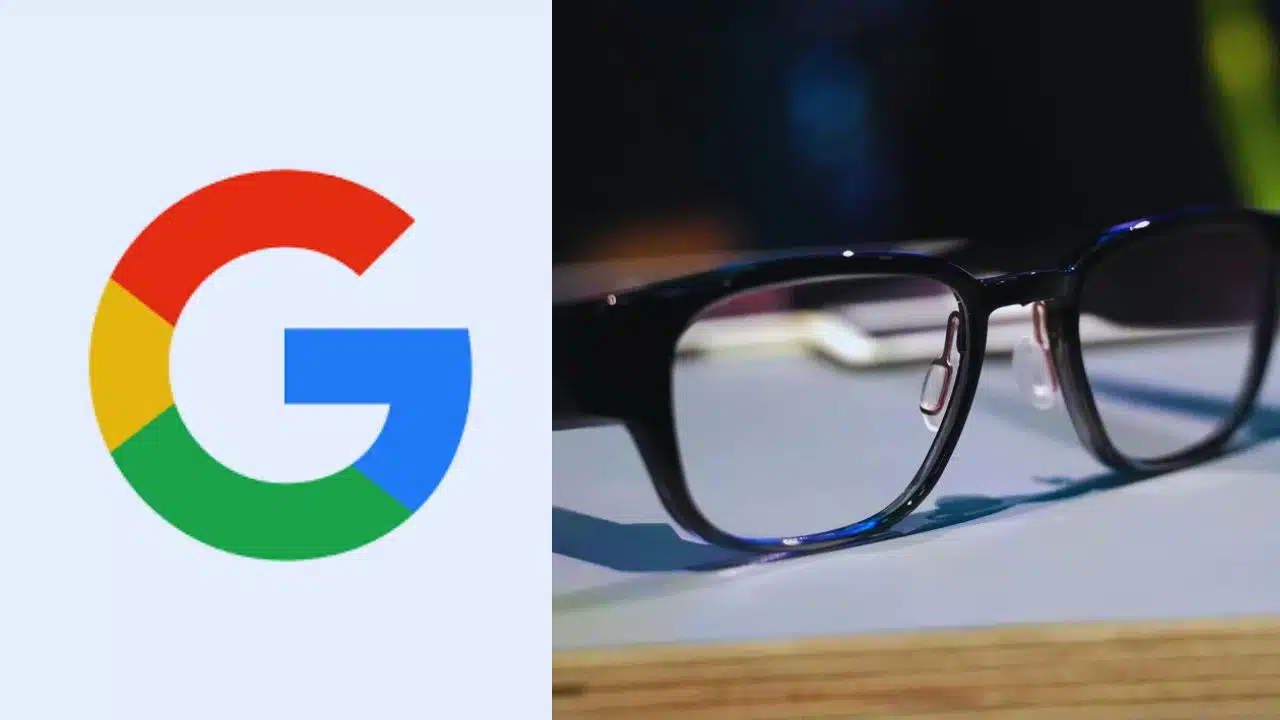
Google and Samsung are advancing their presence in extended reality (XR) with a unique strategy that reflects both innovation and market adaptation. Instead of producing consumer XR hardware directly, Google is pivoting to an original equipment manufacturer (OEM) model, focusing on developing the Android XR operating system and core services while relying on partners like Samsung to create the hardware. This approach allows Google to shape the XR landscape without directly competing in the hardware market. The company is channeling its resources into software development, likely planning to support Samsung and other manufacturers with cutting-edge XR functionalities through Android XR.
Samsung’s Role: Launching the First XR Headset
Samsung, known for its leadership in consumer electronics, is expected to release the first Android XR-powered headset, reportedly codenamed “Moohan.” A developer version is anticipated by October 2024, with a consumer release scheduled for March 2025. This device is rumored to feature Qualcomm processors, marking Qualcomm as another key partner in Google and Samsung’s XR collaboration. Samsung’s announcement at its recent event hints that the XR headset will be a central offering in its future lineup, though specific design details are still under wraps. The focus on timing underscores a strategic move to capitalize on the momentum generated by Apple’s Vision Pro, expected to hit the market in early 2025.
Google’s “Companion Glasses” and Extended Vision Plans
Beyond the headset, Samsung and Google are believed to be developing “companion glasses,” which are expected to deliver augmented reality (AR) capabilities without the immersive features of a headset. These display-less glasses could provide hands-free photography, video capture, and AI-assisted audio functionalities through microphones and speakers, similar to Meta’s Ray-Ban smart glasses. The aim is to create an accessory that users can wear casually in daily life, with simpler designs optimized for indoor use. This approach allows Google to experiment with functional AR technology without necessitating the bulk or technical complexity of XR headsets.
One of Google’s more intriguing ambitions is to bring AI directly into these wearables. The “Gemini,” which Google unveiled recently, could serve as a digital assistant for the companion glasses, enabling a host of intuitive features. Imagine glasses that not only capture images and videos but also recognize scenes, provide real-time information on surroundings, and assist with task management, like reminding users of appointments or helping with navigation. The AI integration promises to transform these glasses from a novel gadget into an indispensable daily tool, capable of understanding and reacting to user needs in real time.
The Road to Display-Less Smart Glasses
Google’s long-term XR ambitions extend beyond its collaboration with Samsung. Although Project Iris, Google’s previous attempt at XR glasses, was shelved, Project Astra has emerged as a promising new effort. Initially demonstrated at Google I/O 2024, Astra prototypes featured a screen, but reports suggest that Google is now exploring a display-free approach. The challenge is to provide users with core XR functionalities like voice command control and audio interactions while minimizing the hardware’s size. Google is testing microLED technology and advanced optics to further streamline these devices, likely aiming for a point when display quality and size match user expectations.
Google’s vision aligns with other market trends. Apple, for example, is reportedly working on its own version of display-less smart glasses, which may debut as early as 2027. By adopting a screenless model early, Google could secure a unique position in the market, distinguishing its offerings from bulkier alternatives. Google’s partnership with eyewear manufacturer EssilorLuxottica, the company behind Ray-Ban, also indicates that it may look to offer stylish and accessible frames for its AR glasses. If Google can produce a product that blends seamlessly with daily life, they might succeed in making AR wearable indoors and outdoors alike.
Functional Features of a Screenless Google Wearable
If Google’s wearable technology were to move forward, it would include features that leverage its well-established technologies, like Google Lens and Assistant. The glasses could use Google Lens for visual search, Gemini for real-time interactions, and voice recognition for hands-free navigation. Integrating these features into wearable glasses would build on the utility of the existing Google Lens technology, creating an “always-ready” device. Such glasses could serve as a “camera on call,” capturing moments from the wearer’s perspective and enabling tasks through one-touch controls.
The Pixel Brand and Google’s First-Party XR Future
This shift toward OEM partnerships doesn’t mean Google will forever stay out of hardware. The Pixel brand, known for phones and smart devices, could naturally expand to include “Pixel Glass” or similar branding if the market demand aligns with Google’s XR ambitions. Considering Google’s strength in AI, cameras, and wearable design, such a product would be well-positioned to compete with Meta’s Ray-Bans or Apple’s future offerings. Whether or not Google releases first-party XR hardware, its Android XR platform is poised to play a central role as other tech giants dive into the extended reality space.
Google’s Competitive Advantage and Market Differentiation
While Meta’s Ray-Ban glasses, without AI, have demonstrated the popularity of minimalist wearable cameras, Google’s approach adds a potential for far greater functionality. Gemini-enabled glasses would go beyond capturing images or providing passive AR features; they could act as real-time companions, responding to voice commands, offering environmental insights, and enhancing daily routines with seamless information retrieval. Positioning these glasses as lightweight, “always on” devices would mark a significant advancement, differentiating them from heavier headsets designed for immersive AR or VR.
In summary, Google and Samsung’s strategic partnership signals a new phase in the XR market, where lightweight, intuitive wearables may soon bridge the gap between convenience and cutting-edge technology. As Google lays the foundation through Android XR and Gemini and Samsung takes charge of hardware, this collaboration could set a new standard for accessible and powerful XR devices.





















