

Farmers in New Zealand face big challenges. They need to balance feeding the world, staying profitable, and protecting the environment. For dairy farmers especially, this is no easy task.
Rising costs and climate concerns make it hard to keep up.
Genetic improvements offer hope. Advances like gene editing and genetic modification are helping dairy cattle become healthier and more productive. These changes can lower costs for farmers while reducing greenhouse gas emissions from cows.
In this blog, you’ll learn how genetics are transforming the dairy sector in New Zealand. We’ll explore technology breakthroughs, benefits for farms, and even some challenges ahead.
Curious? Keep reading!
Key Takeaways
- Genetic tools like gene editing and HiCT white clover help cows stay healthy, make more milk, and cut greenhouse gases.
- HME ryegrass helps animals grow faster while reducing nitrogen waste and protecting the soil.
- Farmers save money with stronger animals that need fewer antibiotics and resist disease better.
- Ethical worries include animal safety, GMOs spreading to nature, high costs for small farms, and food labeling concerns.
- Research farms in New Zealand lead efforts to balance science with care for animals and the planet.
Advances in Genetic Technologies in Livestock
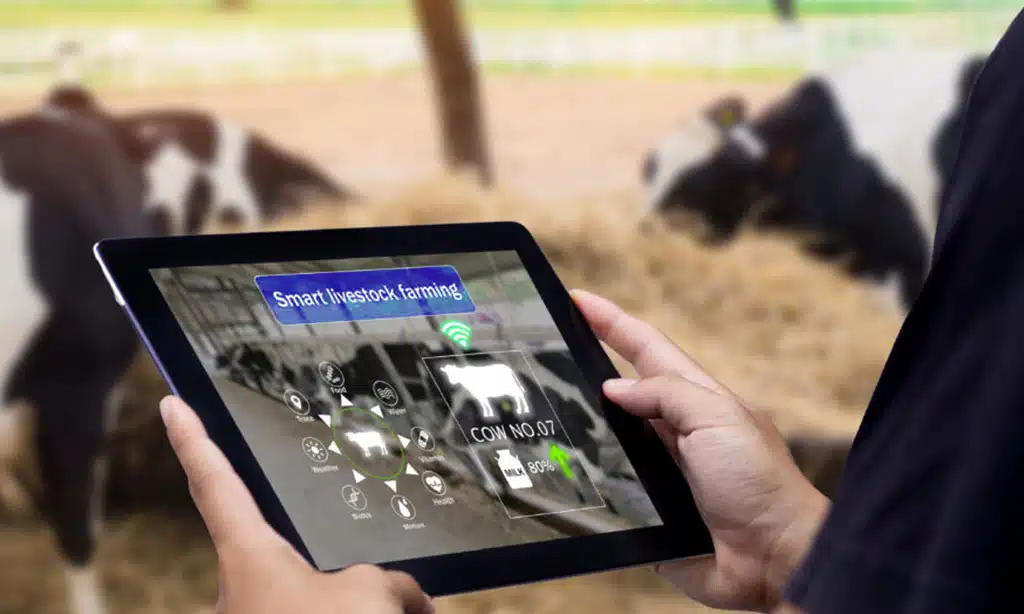
Gene editing has changed livestock breeding in New Zealand. Tools like TALENs and zinc finger nucleases are helping improve traits in dairy cows. These techniques make breeds stronger, healthier, and more productive.
High Metabolizable Energy (HME) ryegrass is a great example. It boosts animal growth while cutting greenhouse gases.
High Condensed Tannin (HiCT) white clover helps too. It reduces nitrogen loss and improves animal digestion. Studies show these plants lower environmental harm over time. Genetic improvements also increase yields for the dairy sector, making farming more sustainable and efficient each year.
Impact on Productivity and Sustainability
Genetic improvement in livestock boosts dairy sector productivity. Dairy farmers now use gene-editing to breed stronger, healthier animals. This means cows live longer while producing more milk.
HiCT white clover helps lower greenhouse gases like methane and nitrous oxide, making farms greener. HME ryegrass cuts nitrogen loss, protecting the soil and water from harmful waste.
Farmers also see higher profits with these changes. Better breeding creates cattle that resist diseases better than before. Healthier animals need fewer antibiotics, which lowers costs too.
Tools like DairyBase use genetic data to help farmers plan smarter operations. These methods promote sustainability by reducing farm emissions and improving environmental outcomes for all of New Zealand’s dairy industries.
Challenges and Ethical Considerations
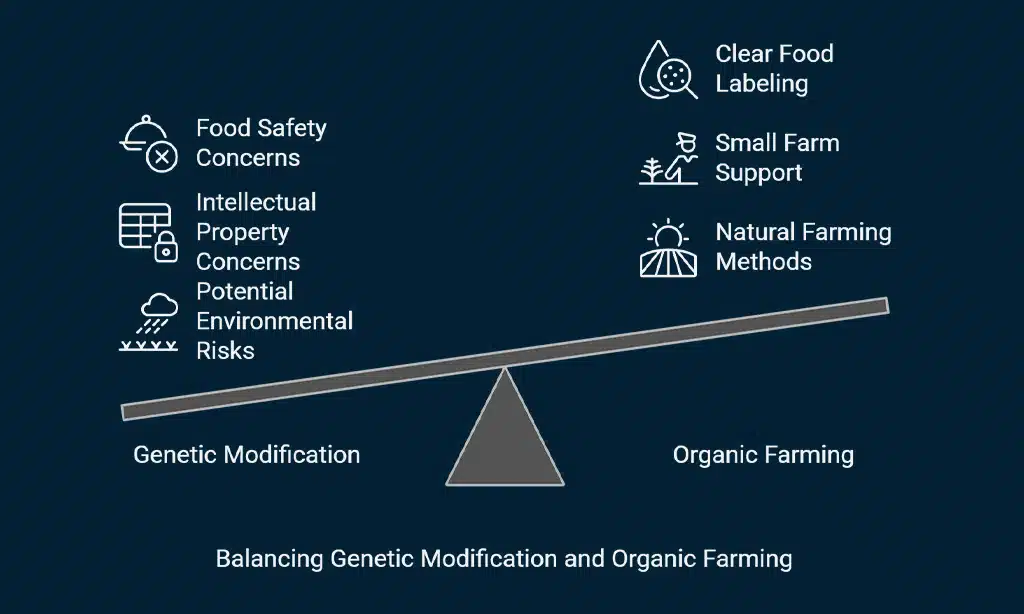
Changing animal genes raises tough questions. Some worry about harming cows or sheep during experiments. Others fear genetic modification (GM) may spread to wild animals. Organic farmers often oppose GM techniques, saying it disrupts natural farming methods.
Intellectual property (IP) is another problem. Big companies might patent new gene technologies, making them costly for small dairy farms. There’s also concern over food safety and labeling genetically modified organisms (GMOs).
People want clear labels on foods from animals fed with GM grains or soybeans. Balancing progress with public trust stays tricky.
Takeaways
Genetic improvements are transforming New Zealand’s livestock industry. Farmers see healthier animals, better milk production, and reduced methane emissions. Research farms like Lincoln Dairy Farm lead the charge with trials and innovation.
This progress combines science with care for animals and the planet. It promises a brighter future for dairy farming in New Zealand.
FAQs
1. What is genetic improvement in livestock?
Genetic improvement uses tools like gene editing and genetic engineering to enhance traits in animals, such as better milk production or resistance to diseases.
2. How does genetic modification impact the dairy industry in New Zealand?
Genetic modification helps improve dairy farming by boosting cattle breeding efficiency, reducing methane emissions, and supporting environmental outcomes.
3. Are genetically modified crops used for animal feed in New Zealand?
Yes, gm crops like soybeans and transgenic maize are often used as animal feed due to their nutritional value and resilience against pests.
4. Does genetic engineering affect food systems beyond livestock?
Absolutely! Genetic technologies also influence plant breeding, conservation efforts, and the development of bioengineered foods like gm potatoes or wheat.
5. Is there a risk with using genetically engineered organisms?
There can be risks related to pathogens or unintended effects on diets and ecosystems, but strict evaluations ensure safety before release of gm foods or organisms.
6. Can gene technology reduce farming’s environmental footprint?
Yes! Techniques like mutagenesis help lower leaching from soils while gene-drive methods tackle issues like insect pests more sustainably.





















