
Gaming has changed. Players want more than fantasy worlds now. They crave games that connect to their real lives. Many gamers feel bored with made-up places that have no connection to reality.
Microsoft Flight Simulator 2024 uses satellite data to create landscapes that look exactly like Earth. Players can fly over their own neighborhoods and see their houses from above.
This shows how real-world data makes games feel more alive and personal.
This guide explores seven amazing games that blend reality with digital fun. These games use GPS technology, augmented reality, and location-based features to create immersive experiences.
You’ll discover how geolocation gaming works and why it’s taking over the industry.
Ready to see gaming’s future?
Key Takeaways
- Pokémon GO launched July 6, 2016, using GPS and augmented reality to place virtual creatures in real-world locations.
- Microsoft Flight Simulator 2024 uses satellite data and real-time weather to create accurate Earth landscapes for training.
- Geoguessr challenges players to identify random global locations using street-view images and geographic visual clues worldwide.
- Ingress released December 14, 2013, transforms neighborhoods into digital battlefields using GPS and OpenStreetMap portal data.
- Zombies, Run! combines fitness tracking with survival gameplay, using GPS to measure distance and create immersive stories.
How does Pokémon GO combine augmented reality with real-world exploration?
Pokémon GO brings virtual creatures into your real world through smart phone cameras and GPS technology. Niantic released this groundbreaking mobile game on July 6, 2016, for iOS and Android devices.
Players walk around actual neighborhoods, parks, and streets to find Pokémon hiding in real locations. Your phone screen shows the real world through its camera, but digital Pokémon appear right in front of you.
This augmented reality magic makes it look like Pikachu is sitting on your kitchen table or Charizard is flying over your local coffee shop.
The game uses real-world data from sources like OpenStreetMap to create accurate gameplay maps. GPS tracking shows your exact location as you explore your town or city. PokéStops appear at real landmarks like statues, murals, and historic buildings.
Gyms pop up at important community spots such as libraries and parks. This location-based gaming system turns everyday places into exciting adventure zones. Players must physically move to different geographic locations to catch different types of Pokémon, making outdoor exploration a core part of the interactive gameplay experience.
How does Microsoft Flight Simulator use real-time weather and geography data?
Microsoft Flight Simulator 2024 pulls satellite data straight from the real world to create stunning landscapes. The game uses advanced graphics that make every mountain, river, and city look just like the real thing.
Blackshark.ai helps the simulator integrate OSM data, which brings accurate maps into the game. This data integration creates dynamic environments that change as you fly. The physics engine works with this real-world information to make planes handle exactly like they would in actual flight conditions.
Real-time weather systems make every flight feel different and challenging. Storm clouds roll in from actual weather patterns happening right now. Rain, snow, and wind affect how your plane flies, just like in real aviation.
The simulator’s mapping systems set the gold standard for realism in flight games. Pilots use this game for serious training because the geography matches what they see from real cockpits.
FlightGear and GeoFS also use similar real-world data, but Microsoft Flight Simulator leads the pack with its immersive experience and detailed simulation quality.
What is Geoguessr and how does it test your knowledge of real-world locations?
Geoguessr drops you into a random street-view image from anywhere on Earth. You get one photo, and your job is simple: figure out where you are. The game uses real map data and actual street-view images to create this geography puzzle.
Players scan for visual clues like road signs, architecture, license plates, or even the way grass grows. These details help you narrow down your location from millions of possibilities across the globe.
This interactive game transforms the entire world into your playground. You might find yourself staring at a dusty road in rural Mongolia or a busy intersection in downtown Tokyo. Geoguessr challenges your knowledge of different countries, their landscapes, and cultural markers.
The game has become popular because it lets you travel virtually to places you’ve never been. Each round tests how well you can read the visual language of our planet, turning real-world exploration into an engaging puzzle that teaches geography through discovery.
How does Ingress incorporate geolocation into strategic gameplay?
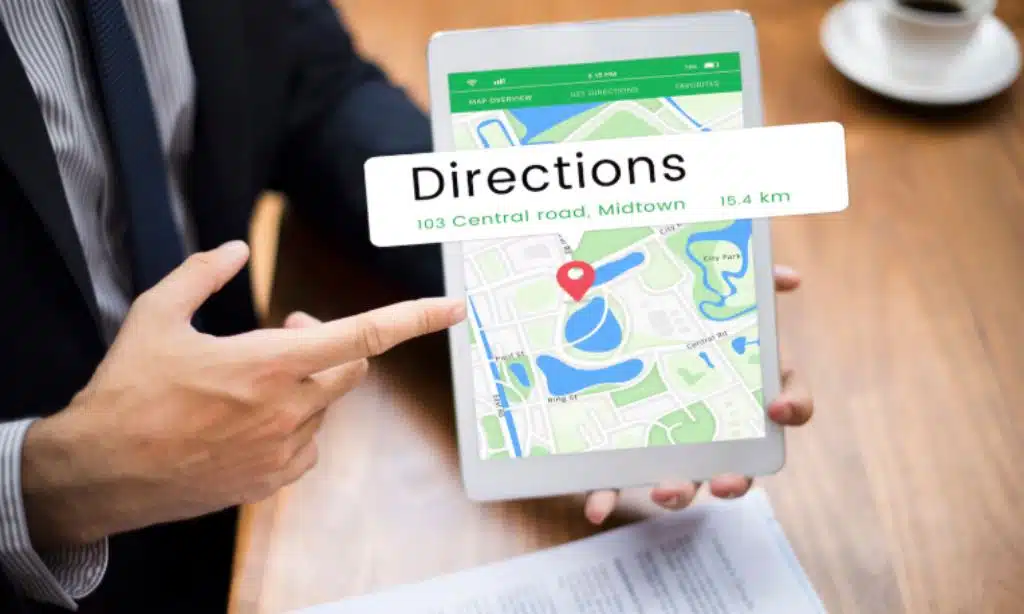
Ingress transforms your neighborhood into a digital battlefield through GPS technology and augmented reality. Niantic released this groundbreaking game for iOS and Android on December 14, 2013, creating one of the first major geolocation-based gaming experiences.
Players must physically walk to real-world locations called portals to capture territory for their chosen faction. The game pulls data from OpenStreetMap to create these strategic control points at landmarks, monuments, and interesting locations around you.
Two competing factions battle for control of actual geographic areas in your city. You can’t play Ingress from your couch, the game forces you to get outside and explore. Each portal you capture helps your team control more territory on the real-world map.
Strategic gameplay emerges as teams coordinate attacks on enemy strongholds and defend their own turf. This innovative approach inspired later hits like Pokémon Go, proving that mixing real-world events with mobile gaming creates compelling interactive experiences.
How does Zombies, Run! blend fitness tracking with survival gameplay?
Zombies, Run! turns your daily jog into a heart-pounding adventure where every step counts. This fitness gamification app uses GPS tracking to measure your distance and map your running routes in real time.
Players receive virtual missions while they exercise, collecting supplies and dodging zombie hordes through immersive storytelling. The game tracks your real-world movement data as the core input for game progression.
You gather resources, build your base, and survive the apocalypse simply by walking or running outside. The app delivers audio stories that respond to your actual pace and distance covered.
Your smartphone becomes a survival tool that blends exercise engagement with narrative-driven challenges.
Interactive gameplay meets personal fitness goals through this innovative approach to activity tracking. The survival mechanics depend entirely on your physical movement, making every workout session feel like a mission.
Real-time feedback keeps you motivated as you hear radio transmissions, zombie growls, and mission updates through your headphones. Adventure gaming reaches new heights as your actual running speed affects story outcomes and resource collection rates.
The app has inspired similar fitness adventure games across the industry. This leader in fitness gaming proves that personal goal tracking works best inside immersive play environments.
Your daily exercise routine transforms into epic storytelling sessions where you become the hero of your own zombie survival story.
How does FlightRadar24 simulate real-time air traffic?
FlightRadar24 brings the entire world of aviation right to your screen through real-time air traffic simulation. This powerful platform tracks thousands of aircraft across the globe using GPS technology and radar systems.
Aviation enthusiasts can watch planes move across accurate maps, showing exact flight paths and current positions. The service pulls data from multiple sources to create live tracking displays that update every few seconds.
Flight information appears instantly, giving users a bird’s eye view of air traffic patterns worldwide.
The platform serves aviation fans, professionals, and curious travelers who want to see what’s happening in the skies above. Real-time data feeds into the system, creating flight path visualization that mirrors actual aircraft movements.
Mapping accuracy makes it possible to follow specific flights from takeoff to landing. This aviation simulation tool complements traditional flight simulators by showing real-world context.
Users can spot their own flights, track family members traveling, or simply marvel at the constant stream of air traffic crisscrossing continents every single day.
How does The Walking Dead: Our World use augmented reality for zombie hunting?
Next Games released The Walking Dead: Our World for iOS and Android devices in 2018. This mobile game brought zombie hunting directly into players’ real environments through augmented reality technology.
Players pointed their smartphones at actual locations around them, and the AR system placed virtual zombies right in their living rooms, parks, or streets. The game mapped zombie hunting scenarios onto genuine surroundings, making every coffee shop or sidewalk a potential battleground.
The Walking Dead: Our World required physical movement and real-world exploration to unlock rewards and progress through missions. Location-based events appeared at specific geographic points, encouraging players to visit new places in their neighborhoods.
Players collected supplies, battled undead creatures, and completed challenges tied to their actual GPS coordinates. The game created interactive experiences that blended action gameplay with outdoor activity, though it was later discontinued after its initial run.
Takeaways
These seven games show how real-world data transforms gaming. Players explore actual cities, fly through real weather, and hunt creatures in their neighborhoods. GPS technology and augmented reality create immersive experiences that blend digital fun with physical exploration.
Gaming companies keep finding new ways to use mapping technology and geolocation data. Your next adventure might be waiting right outside your door.
FAQs on Games That Use Real-World Data as Gameplay
1. What are games that use real-world data as gameplay?
These games pull live information from the internet, weather reports, or news feeds to create gameplay. Players face challenges that change based on what’s happening in the real world right now.
2. How do real-world data games work?
They connect to databases, weather services, or news sources to grab fresh information. This data then shapes the game world, making each play session different based on current events.
3. Can you play these games offline?
Most need an internet connection to grab the latest real-world information. Without that connection, the games can’t update their content or create new challenges.
4. Are real-world data games harder than regular games?
They can be trickier because you never know what curveball real life will throw at you. One day might be easy, the next could be brutal, all depending on what’s happening in the world.