
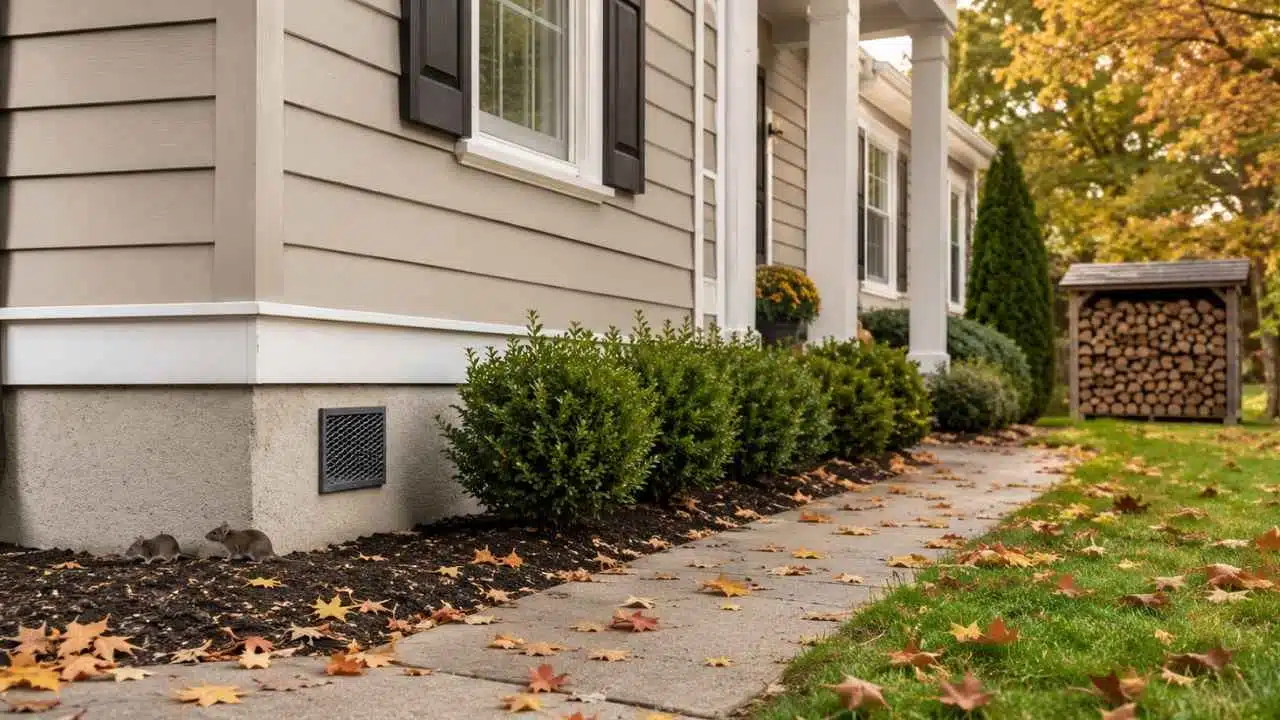
As temperatures start to drop across Ohio, Georgia, and Florida, a familiar seasonal pattern is underway. Mice and rats that spent the warmer months outdoors begin looking for a way in, and homes offer exactly what they are after: warmth, shelter, and an easy meal. Mira Home, a residential pest control provider serving homeowners across all three states, is using the fall shift to remind customers that rodent season is as much a health issue as it is a nuisance one.
According to the National Pest Management Association, rodents invade an estimated 21 million homes across the United States each winter, and nearly a quarter of homeowners report dealing with a mouse infestation during the colder months. The concern goes beyond chewed wiring or droppings in the pantry. Mice and rats can carry as many as 35 diseases and 200 pathogens capable of passing to humans, and mouse allergen has been detected in the large majority of U.S. homes, a known trigger for asthma and allergy symptoms. The NPMA has also flagged a resurfacing hantavirus concern heading into this year, noting that fewer than a third of Americans realize rodents can carry disease at all.
Why Fall Is the Turning Point
Rodents do not move indoors because they have been provoked. They move indoors because the math of survival changes once nights get cold and outdoor food sources thin out. A gap the width of a pencil is enough for a mouse to squeeze through, and once inside, a single breeding pair can multiply into a much larger problem within a matter of weeks. Several cities across Mira Home’s footprint, including Cleveland, Columbus, Atlanta, and Tampa, appeared on Orkin’s 2025 list of the nation’s rattiest cities, which gives the fall shift real local weight rather than a generic seasonal warning. That kind of pest pressure is part of what has made growing demand for home services across Mira Home’s Georgia and Florida markets a defining feature of both states in recent years.
Why a Few Traps Rarely Solve It
A couple of traps from the hardware store might catch the mouse a homeowner actually sees. The trouble is the ones they do not see. Mice reproduce quickly, they are cautious around new objects, and their small size lets them travel through openings most people would not think to check. That combination means an infestation can appear to be resolved after a trap or two, only to return within weeks once the original entry point admits the next wave of activity.
How Mira Home Approaches Rodent Season
Mira Home’s rodent control service is built around two problems that have to be solved together: the rodents already inside, and the opening that let them in. Technicians place tamper-resistant bait stations in the exterior areas where rodents travel and shelter, locked units designed to keep bait contained and away from children and pets. Just as important is identifying signs of an infestation and how rodents are getting in, whether that is a gap along the foundation, a utility line penetration, or a space under a door, since treating an infestation without closing the entry point tends to invite a repeat visit within weeks.
The company’s re-service policy reflects that same logic. If rodent activity picks back up between scheduled visits, a Mira Home technician returns at no additional charge on select plans, rather than requiring the homeowner to pay for a new treatment each time. That structure matters most in fall and winter, when rodent pressure builds gradually and a single visit rarely resolves the full scope of an infestation on the first attempt.
A Regional Pattern, Not Just a Local One
The fall indoor push is not unique to any one of Mira Home’s Georgia and Florida markets, but it plays out differently by region. In Ohio, the shift is the most pronounced, with rodents pushing indoors through fall and winter as temperatures drop, a pattern homeowners across the broader Midwest recognize well. In Georgia and Florida, the seasonal signal is softer since winters rarely get cold enough to fully suppress outdoor rodent populations, but a fall uptick still shows up as properties dry out and outdoor food sources become scarcer.
That regional variation is part of why Mira Home structures its service around local technicians who know the pressure in a given area rather than a centralized call center model, on the reasoning that the timing and severity of rodent season in Cleveland looks different than it does in Orlando, even though the underlying biology is the same nationwide.
What Homeowners Should Watch For
The early signs of a rodent problem are easy to miss. Scratching sounds in walls or ceilings, especially at night, droppings near food storage or along baseboards, and gnaw marks on packaging or wiring are the most common indicators. Homeowners who catch these signs early are typically dealing with a smaller, more containable problem than those who wait until the activity becomes obvious.
Mira Home’s guidance to homeowners heading into fall centers on a short list of practical steps that do not require a service call: walk the exterior of the home looking for gaps around utility lines, foundation cracks, and door thresholds; keep firewood and yard debris away from the foundation; and address any entry points before the first hard freeze rather than after signs of activity appear. None of these steps demand professional equipment, but they meaningfully reduce how much a treatment has to overcome once the weather turns.
For homeowners already seeing signs of rodent activity, waiting rarely improves the outcome. Rodent populations grow quickly once established indoors, and the entry points that let the first mice in will keep admitting more unless they are addressed directly.
Cost is often the reason homeowners delay calling in the first place, since pricing for pest control can feel unpredictable. Mira Home addresses that by offering a free inspection and a written quote before any treatment begins, so homeowners know what a fall rodent visit actually costs for their specific property rather than guessing. Given that professional treatment usually costs a fraction of what structural or electrical repairs from an unchecked infestation can run, a free quote tends to be a low-risk first step for homeowners who are on the fence about whether their situation warrants a call.
As fall settles in across Ohio, Georgia, and Florida, Mira Home’s message to homeowners is straightforward. Rodent season is predictable, and the properties that fare best tend to be the ones that treat the seasonal shift as a scheduled task rather than an emergency response once scratching starts in the walls.