
Electric vehicles (EVs) are becoming more common on our roads. But charging them can still be frustrating. Drivers often face issues like broken chargers, complicated payment systems, and long wait times. Now, a new technology aims to make EV charging easier: facial recognition for cars. This “Face ID for your car” could change how we charge electric vehicles.
In a world where EVs are becoming increasingly common, the headaches associated with charging – from broken equipment to complicated payment systems – have remained a stubborn roadblock to widespread adoption. But what if charging your car could be as simple and intuitive as unlocking your smartphone with a glance? That’s the exciting future that facial recognition for cars is ushering in, and it’s poised to solve many of the frustrations EV owners face today.
Let’s dive into this fascinating technology, explore how it works, and understand why it could be the game-changer the EV industry has been waiting for.
Understanding “Face ID for Your Car”
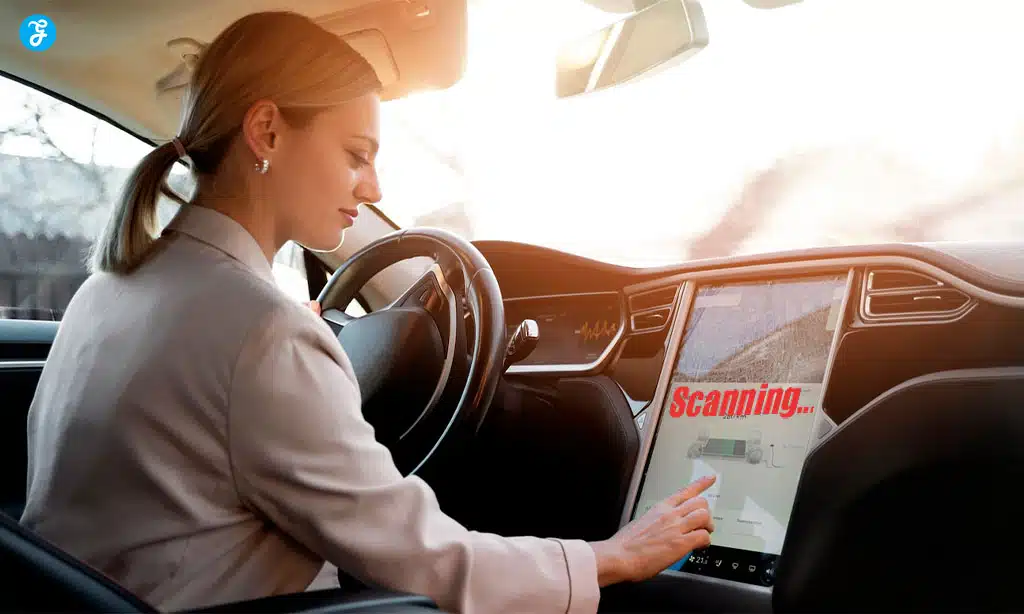
At its core, “Face ID for your car” is a sophisticated system that uses cameras and advanced software to recognize vehicles as they approach charging stations. Think of it as a bouncer for an exclusive club, but instead of checking IDs, it’s identifying cars and granting them access to charging privileges.
How Does It Work?
- Smart Cameras: Charging stations are equipped with high-resolution cameras capable of capturing clear images in various lighting conditions.
- Vehicle Scanning: As your car approaches, these cameras scan its front end, focusing on unique features like headlight design, grille pattern, and overall shape.
- Lightning-Fast Database Check: In mere seconds, the system compares this visual “fingerprint” to a vast database of registered vehicles.
- Instant Recognition: Once your car is identified, the system immediately knows who you are and what charging plan you’re on.
- Automatic Charging Initiation: Without any input from you, the charging process begins as soon as you plug in your vehicle.
- Seamless Billing: When you’re done charging, the cost is automatically billed to your linked account – no card swipes or app interactions needed.
This process happens so quickly and smoothly that for the driver, it feels almost magical – like your car and the charger are old friends greeting each other.
The Benefits: Why This Technology Matters
- Speed and Convenience Gone are the days of wrestling with unresponsive apps or searching for the right RFID card. With facial recognition, the time between parking and charging shrinks dramatically. In busy urban areas or on long road trips, these saved minutes add up quickly.
- Enhanced Security Unlike cards that can be lost or stolen, your car’s unique appearance is always with it. This makes fraudulent charging much more difficult, protecting both consumers and charging networks.
- Reduced “Charge Anxiety” Many EV owners experience stress about finding working chargers. Knowing that every compatible station will recognize and welcome your vehicle can significantly reduce this anxiety, making EV ownership more appealing to a broader audience.
- Streamlined Fleet Management For businesses with EV fleets, facial recognition simplifies tracking and billing. Each vehicle in the fleet is automatically recognized and charged appropriately, reducing administrative headaches.
- Data-Driven Improvements With more precise tracking of which cars charge where and when, charging networks can optimize their station placements and energy management, leading to a more efficient overall system.
Challenges on the Road Ahead
While the potential benefits are enormous, implementing “Face ID for your car” isn’t without its speed bumps:
- Privacy Concerns As with any technology that collects data, there are valid concerns about how this information might be used or secured. Strict regulations and transparent policies will be crucial to gaining public trust.
- Technical Hurdles The system needs to work flawlessly in all conditions – rain, snow, darkness, and with dirty or damaged vehicles. Achieving this level of reliability requires significant testing and refinement.
- Infrastructure Costs Upgrading existing charging stations with cameras and powerful processors represents a substantial investment. Charging networks will need to weigh these costs against the long-term benefits.
- Universal Compatibility Ensuring that the system can recognize every make and model of EV, including future designs, is a complex challenge that requires ongoing collaboration between automakers and charging networks.
The Current State of EV Charging
To appreciate why facial recognition is such a big deal, let’s look at the current EV charging landscape:
| Metric | United States | European Union | China |
|---|---|---|---|
| Number of Public Charging Points | ~140,000 | ~400,000 | ~1,200,000 |
| EVs per Public Charger | ~20 | ~14 | ~7 |
| Fast Chargers (% of Total) | ~18% | ~15% | ~35% |
| Average Time to 80% Charge (Fast Charger) | 30-45 minutes | 30-45 minutes | 30-45 minutes |
| Common Payment Methods | Apps, RFID Cards, Credit Cards | Apps, RFID Cards, Credit Cards | Apps, QR Codes |
| Major Charging Networks | Tesla, ChargePoint, Electrify America | IONITY, FastNed, Tesla | State Grid, TELD, Star Charge |
| Government Investment in Charging Infrastructure (2023-2024) | $7.5 billion | €10 billion | ¥10 billion |
Companies Leading the Charge
Several major players are investing heavily in vehicle recognition technology:
- ChargePoint: This leading charging network is testing facial recognition at select locations, with plans for wider rollout.
- Electrify America: Volkswagen’s charging subsidiary is exploring various automatic charging initiation methods, including vehicle recognition.
- Tesla: While not strictly facial recognition, Tesla’s Supercharger network already implements a form of automatic vehicle identification for a seamless charging experience.
- Siemens: The industrial giant is developing smart charging solutions that could incorporate facial recognition technology.
- NIO: This Chinese EV maker is pioneering advanced vehicle recognition systems for its battery swap stations, which could be adapted for traditional charging.
These companies recognize that removing friction from the charging process is key to accelerating EV adoption.
The Bigger Picture: Beyond Just Charging
Facial recognition for EVs isn’t just about making charging easier – it’s a stepping stone to a more connected and efficient transportation ecosystem:
- Smart City Integration Recognizable vehicles could interact more seamlessly with parking systems, toll roads, and traffic management infrastructure.
- Personalized Energy Management Charging stations could learn individual vehicle habits and optimize charging speeds and times based on driver patterns and grid demand.
- Enhanced Vehicle-to-Grid (V2G) Systems With instant vehicle recognition, managing bi-directional power flow between EVs and the grid becomes much more streamlined, supporting grid stability.
- Autonomous Charging As self-driving technology advances, cars could drive themselves to charging stations and complete the entire process without human intervention.
Potential Impact on the EV Market
If widely adopted, facial recognition technology could significantly accelerate EV adoption:
- Reduced Barrier to Entry By simplifying the charging process, more consumers might feel comfortable switching to electric vehicles.
- Increased Charging Station Utilization Faster turnaround times could allow existing infrastructure to serve more vehicles, reducing wait times and congestion.
- New Business Models Charging networks could offer more sophisticated pricing plans and loyalty programs based on usage patterns identified through facial recognition.
- Competitive Advantage Automakers who integrate well with these systems might see increased sales as consumers opt for vehicles that offer the smoothest charging experience.
Global Adoption: A Mixed Picture
The rollout of facial recognition for EV charging will likely vary significantly across regions:
United States: Despite privacy concerns, the vast distances and car-centric culture make the convenience factor highly appealing. Expect to see pilot programs in tech-forward cities first.
European Union: Strict data protection laws under GDPR may slow implementation, but the high density of EVs could drive demand for more efficient charging solutions.
China: Already a leader in facial recognition technology and EV adoption, China could see rapid implementation, particularly in smart city projects.
Developing Nations: While the high initial costs might delay adoption, these countries could leapfrog older technologies as they build out EV infrastructure from scratch.
Addressing Concerns and Skepticism
As with any new technology, “Face ID for your car” has its critics. Here’s how proponents are addressing key concerns:
- Data Protection Concern: Collection and storage of vehicle data could infringe on privacy. Solution: Implementing strict data encryption, limited data retention policies, and giving users control over their information.
- System Reliability Concern: What happens if the cameras or recognition software fail? Solution: Maintaining backup authentication methods like mobile apps or RFID cards, and implementing robust system redundancies.
- Inclusivity Concern: Older EVs might not be compatible with new recognition systems. Solution: Developing retrofit kits for older vehicles and ensuring charging stations maintain support for multiple authentication methods.
- Ethical Considerations Concern: The technology could be used for surveillance or tracking. Solution: Establishing clear legal frameworks that limit the use of collected data strictly to charging purposes.
The Road Ahead: What’s Next for EV Charging?
As “Face ID for your car” moves from concept to reality, we can expect to see:
- Pilot Programs: Look for major charging networks to announce trials in select cities, likely starting in 2024-2025.
- Automaker Partnerships: Car manufacturers will begin integrating compatible features into new EV models to ensure seamless operation with recognition systems.
- Regulatory Frameworks: Governments and industry groups will develop standards for data protection and system interoperability.
- Consumer Education: Charging networks will launch campaigns to inform EV owners about the benefits and address concerns about the new technology.
- Infrastructure Upgrades: A gradual rollout of camera-equipped charging stations, likely starting with high-traffic areas and major travel corridors.
Takeaways: A Glimpse into the Electric Future
“Face ID for your car” represents more than just a convenient way to charge your EV – it’s a window into a future where our vehicles are active, recognized participants in a smart, interconnected world. By removing the friction from one of the most fundamental aspects of EV ownership, this technology has the potential to accelerate the transition to electric mobility in a way few other innovations can.
As we stand on the brink of this charging revolution, it’s clear that the road ahead is both exciting and challenging. Privacy concerns will need to be carefully balanced against convenience, and significant investment in infrastructure will be required. But the potential rewards – a cleaner environment, more efficient energy use, and a dramatically improved user experience – make this a journey well worth taking.
For EV enthusiasts, industry watchers, and anyone curious about the future of transportation, the evolution of “Face ID for your car” will be a fascinating story to follow in the coming years. It’s not just about charging cars; it’s about charging forward into a more connected, efficient, and sustainable future of mobility.
As this technology moves from science fiction to science fact, one thing is certain: the way we think about “filling up” our vehicles is about to change forever. The future of EV charging isn’t just automatic – it’s automatically awesome.