
As the world transitions towards greener energy solutions, electric vehicles (EVs) are increasingly coming into focus.
Despite their growing popularity, several myths and misconceptions about EVs persist, often hindering their widespread acceptance.
In this comprehensive article, we’ll delve into eight common myths about electric vehicles, presenting the facts to dispel these misunderstandings and promote informed choices.
Myth 1: Electric Vehicles Are Too Expensive
The Reality of EV Pricing
One of the most entrenched beliefs about electric vehicles is that they are excessively expensive.
It’s true that the initial purchase price of some electric vehicles can be higher than that of conventional gasoline-powered cars.
However, this perspective fails to consider the broader context of total ownership costs.
Initial Costs vs. Long-Term Savings
While many entry-level EVs are competitively priced, premium models can be costly.
Nevertheless, buyers should also evaluate the long-term savings associated with electric vehicles. EVs typically have lower operational costs due to:
- Reduced Fuel Costs:
Charging an EV is generally cheaper than refueling a gasoline car, especially with the rise of renewable energy sources.
- Lower Maintenance Costs:
Electric vehicles have fewer moving parts than internal combustion engines.
They don’t require oil changes and have less wear and tear on components like brakes, often leading to lower maintenance expenses over time.
- Tax Incentives and Rebates:
Many countries offer significant incentives for EV buyers, which can substantially reduce the effective purchase price.
These incentives can include federal and state tax credits, rebates, and grants.
Market Trends
Furthermore, as the technology advances and production scales, the costs of EVs are decreasing.
According to a report by BloombergNEF, the price of lithium-ion batteries—the core component of EVs—has dropped significantly over the past decade.
This trend is expected to continue, making electric vehicles more accessible to the average consumer.
Myth 2: Electric Vehicles Have Limited Range
Understanding EV Range Anxiety
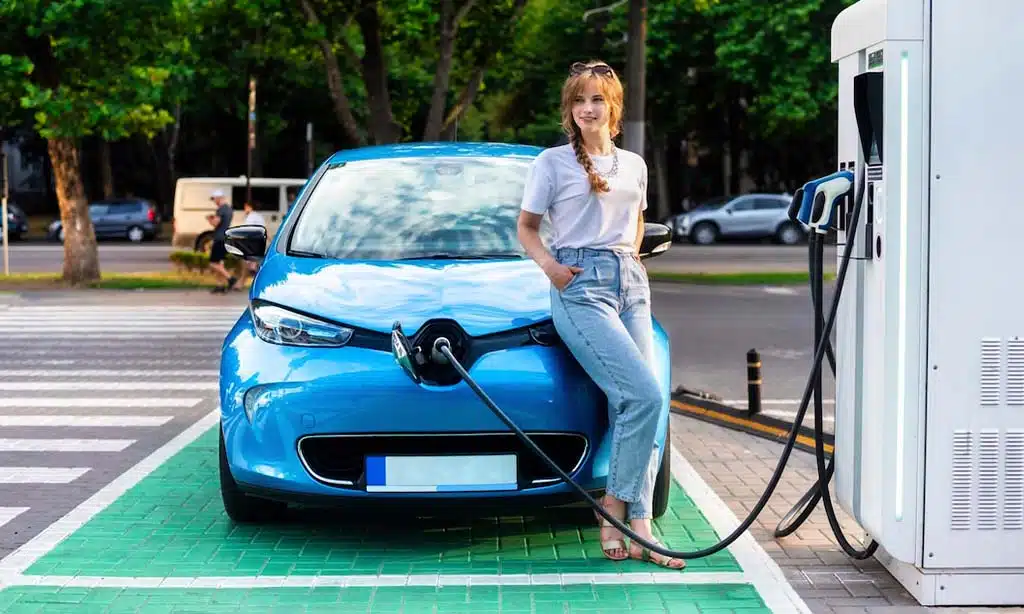
Another prevalent myth is that electric vehicles are limited in range, leading many potential buyers to experience “range anxiety.”
This term describes the fear of running out of battery power before reaching a charging station.
Advances in Battery Technology
Modern electric vehicles have made significant strides in battery technology, allowing many models to achieve impressive ranges. For example:
- Long-Range Models:
Several electric vehicles on the market today can travel over 300 miles on a single charge.
Models such as the Tesla Model 3 and the Ford Mustang Mach-E boast impressive ranges, which can alleviate concerns for long-distance travel.
- Battery Improvements:
Innovations in battery chemistry and design have led to greater energy density, allowing for longer ranges without the need for larger, heavier batteries.
Charging Infrastructure Expansion
Moreover, the expanding network of charging stations helps mitigate range anxiety.
Many cities and highways now feature fast-charging stations that can replenish an EV’s battery to 80% in approximately 30 minutes.
For most daily commutes, charging at home overnight is sufficient, making range concerns less relevant for many users.
Myth 3: Charging an Electric Vehicle Takes Too Long
The Truth About Charging Times
A common belief is that charging an electric vehicle takes an unreasonably long time, making it impractical for everyday use.
While charging can be slower than refueling a gasoline car, it’s essential to understand the different types of charging options available.
Home Charging Solutions
Most EV owners charge their vehicles at home, which can be incredibly convenient. Here’s a breakdown of home charging:
- Level 1 Charging:
This is the simplest method, using a standard 120-volt outlet. It typically adds about 4-5 miles of range per hour.
While this might be slow, it’s often sufficient for those who drive short distances daily.
- Level 2 Charging:
A Level 2 charger, commonly found in residential settings, operates on a 240-volt outlet and can add about 25 miles of range per hour.
This is the preferred option for many EV owners, allowing for a full overnight charge.
Public Charging Infrastructure
For those who need to charge on the go, public charging stations are increasingly available:
- Fast Charging Stations:
These stations can deliver significant power quickly, charging an EV to 80% in about 30 minutes.
Companies like Tesla, Electrify America, and ChargePoint are expanding their networks of fast chargers, providing greater accessibility for long-distance travelers.
- Charging Apps:
Many smartphone applications help users locate nearby charging stations, compare charging speeds, and even reserve a spot, further easing the charging process.
Myth 4: Electric Vehicles Are Not Environmentally Friendly
Assessing the Environmental Impact
Critics often argue that electric vehicles aren’t as environmentally friendly as they are touted to be, citing the emissions associated with battery production and the electricity used to charge them.
While it’s true that battery manufacturing does have environmental costs, the overall lifecycle emissions of electric vehicles are generally lower than those of gasoline vehicles.
Lifecycle Emissions Analysis
A comprehensive analysis of lifecycle emissions shows the following:
- Manufacturing Emissions:
Although making an EV can produce more emissions than making a conventional car, the lower emissions produced during operation frequently offset these emissions.
According to studies, an EV can significantly reduce greenhouse gas emissions over its lifetime, especially when charged with renewable energy.
- Renewable Energy Usage:
The environmental impact of charging an EV largely depends on the energy mix of the grid.
As more renewable energy sources (such as wind and solar) are integrated into power grids, the carbon footprint associated with charging EVs continues to decrease.
Moving Toward Sustainability
Additionally, manufacturers are increasingly focused on making battery production more sustainable.
Innovations in recycling and battery materials are helping to reduce the environmental impact of EVs further.
Myth 5: Electric Vehicles Have Poor Performance
Performance Capabilities of EVs
Some skeptics maintain that electric vehicles lack the performance and excitement associated with traditional gasoline cars.
This myth stems from a misunderstanding of how electric motors work and their advantages.
Instant Torque and Acceleration
Electric motors deliver power instantly, which results in rapid acceleration.
Many electric vehicles can go from 0 to 60 mph in just a few seconds.
For example, the Tesla Model S can achieve this feat in under 2 seconds, making it one of the fastest cars on the market.
Driving Experience
Moreover, electric vehicles often provide a smooth and quiet driving experience.
The absence of an internal combustion engine reduces vibrations and noise, contributing to a more pleasant ride.
As manufacturers continue to innovate, the performance of electric vehicles is likely to improve even further, attracting enthusiasts who prioritize speed and handling.
Myth 6: Battery Life Is Short
Longevity of EV Batteries
Concerns regarding the lifespan of electric vehicle batteries are prevalent, leading to fears of frequent replacements and associated costs.
However, advancements in technology have significantly enhanced battery longevity.
Battery Warranties and Lifespan
Most EV manufacturers offer warranties on their batteries for eight years or more, often with mileage limits.
For instance, Tesla provides an 8-year warranty on its battery packs, ensuring that buyers have peace of mind regarding battery performance.
Real-World Longevity
Studies have shown that many electric vehicle batteries can last well over 200,000 miles before experiencing significant degradation.
Factors like usage patterns, temperature, and charging habits all have an impact on a battery’s overall lifespan.
With proper care, EV owners can expect their batteries to remain effective for many years.
Myth 7: Electric Vehicles Are Only for Urban Areas
EV Suitability in Rural and Suburban Regions
There is a misconception that electric vehicles are primarily suited for urban environments, where charging infrastructure is more readily available.
While urban areas indeed tend to have more charging stations, electric vehicles are becoming increasingly practical in rural and suburban regions.
Home Charging as a Solution
For many rural and suburban residents, home charging is a viable solution.
With the ability to install a Level 2 charger in their garages or driveways, EV owners can easily charge their vehicles overnight.
This method eliminates the need for frequent visits to public charging stations.
Expanding Public Charging Networks
Furthermore, as the adoption of electric vehicles grows, public charging networks are expanding into less populated areas.
Many companies are working to install fast-charging stations along highways and in small towns, ensuring that rural drivers can conveniently access charging options when needed.
Myth 8: Electric Vehicles Are a Fad
The Future of Electric Mobility
Lastly, some skeptics believe that electric vehicles are merely a passing trend.
However, the truth is that major automakers, governments, and environmental organizations all over the world support the shift toward electrification.
Industry Commitment
Many traditional automakers are investing heavily in electric vehicle development, with plans to transition their entire fleets to electric models over the next couple of decades.
Companies like Ford, General Motors, and Volkswagen are committing billions to EV research and production, indicating a long-term commitment to electrification.
Government Initiatives
Additionally, various governments are implementing policies to encourage the adoption of electric vehicles.
This includes offering tax incentives, investing in charging infrastructure, and setting ambitious targets for reducing greenhouse gas emissions.
For example, several countries aim to phase out the sale of new gasoline-powered vehicles within the next 10 to 20 years.
Conclusion
Understanding the realities of electric vehicles is crucial as they become an integral part of the future of transportation.
By debunking these eight myths, we can foster a clearer understanding of the benefits of EVs and encourage their adoption.
Whether for economic reasons, environmental concerns, or performance, electric vehicles represent a significant advancement toward a more sustainable future.
As technology continues to evolve and the infrastructure supporting electric vehicles expands, the potential for electric mobility grows.
The transition to electric vehicles is not just a trend; it’s a vital step toward a cleaner, more efficient, and sustainable future for transportation.
Whether you’re considering buying an electric vehicle or simply interested in the topic, staying informed will help pave the way for a more sustainable automotive landscape.