

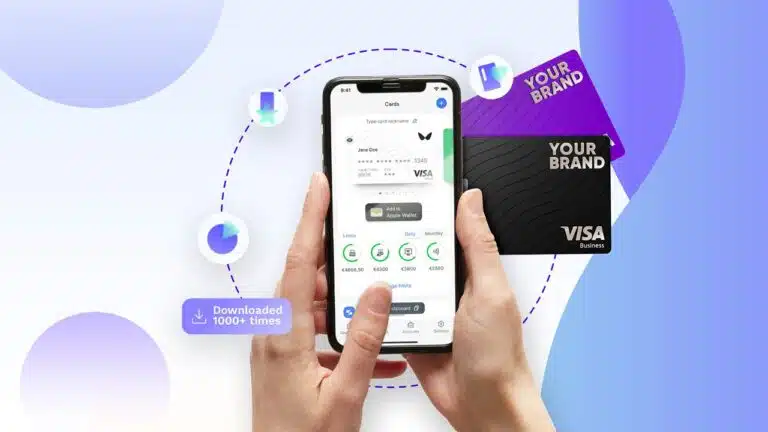
Business corporate cards are not just a convenient means of payment but a powerful tool for any company. With the help of a card program, the work of the finance department is modernized, and many processes in it are accelerated and simplified. Corporate cards have a lot of advantages both for the organization itself and for its employees. At the same time, many companies have yet to appreciate this service at face value and are skeptical about it. We offer a detailed guide on “business expense cards” to dispel all possible stereotypes. We shall begin, of course, by studying the basic concepts.
What is a corporate card?
A corporate card is a payment instrument that is a modern analog to giving money on account. Whereas in the past you had to get money from a cashier’s office to go on a business trip or to pay for goods and services from various suppliers, with a business card there is no need to strain the finance department every time and waste time waiting for approvals.
A corporate card is visually no different from a regular payment card, but it is linked not to the employee’s account but to the company’s. It can be a general or separate account allocated to a department or a particular employee. It all depends on the employee’s level of access.
In the past, card issuing was done only by banking institutions. Thanks to Wallester‘s special platform, any company can do it, regardless of its size, status and payment capacity.
What kind of corporate cards are there?
Like personal payment cards, corporate payment cards come in several varieties:
- Debit. Only the amount that the finance department has already entered into the corporate account can be spent;
- Credit cards. Such cards allow you to borrow money from the company. When issuing them to employees, organizations should consider spending limits and categories of goods and services on which credit money can be spent.
Depending on the presence of a physical medium, corporate cards come in:
- Physical. It is a corporate card with a plastic carrier. It can be carried in a wallet, paid for at any retail outlet, withdrawn from an ATM and used conveniently. The disadvantage is that it can be lost, damaged or stolen;
- Virtual. These are cards that do not have a physical carrier. They are personalized and can be used to make instant payments, transfers and online purchases. Their use is more secure.
Depending on the design, corporate cards come in:
- Standard. Such cards have a classic design of Visa cards. They have standard functions and do not stand out from the crowd;
- With a customized design. Companies that want to popularize their brand and distinguish their employees from the general public carry out white-label card issuing. It is a ready-made solution for issuing branded payment cards with corporate design.
Cards can also be named or unnamed. Named cards take a little longer to produce, but they are more secure because only the employee they are issued with is authorized to use them. Unnamed corporate cards can be issued to departments or for a specific project.
What can you pay for with a business card?
Employee expense cards can be used to pay for the following types of expenses:
- Business travel expenses. It may include the purchase of plane, train and bus tickets; payment for cab and metro services; transportation of luggage; accommodation and fuel costs for a company car;
- Hospitality. Purchase of products for brunches, souvenirs for partners, expenses for organizing business meetings, payment for interpreter, driver, etc.;
- Office. A corporate card can be used to purchase stationery, office equipment, furniture, household chemicals and other items necessary for the life of the office.
Credit cards can also be used to pay for vendor services, online advertising, and other goods and services. The list goes on for a long time, but all expenses made with a corporate card must be justified.
Which is more favorable, cash or corporate card?
Many companies refuse the idea of payment card issuing, considering it an expensive pleasure. But take into account that to issue money from the cash register and control corporate expenses; it is necessary to spend a lot of time and allocate special employees in the finance department. In that case, the fee for a platform for card issuing is negligible. Small companies can even use a free version of the platform with limited functionality.
Corporate cash expenditures are difficult to control because employees report them after a certain period. They may keep only some receipts or forget about some purchases. At the same time, data on corporate card transactions are displayed online. It helps to control employee spending and prevent unjustified waste on their part.
Corporate cards are also more advantageous to use when traveling abroad. Cash must first be exchanged for foreign currency, and when you arrive home, you must return it. In this case, you lose a lot on the exchange rate difference. A business card can pay for purchases in any currency; the conversion is made automatically at the most favorable exchange rate.
Advantages and disadvantages of corporate cards
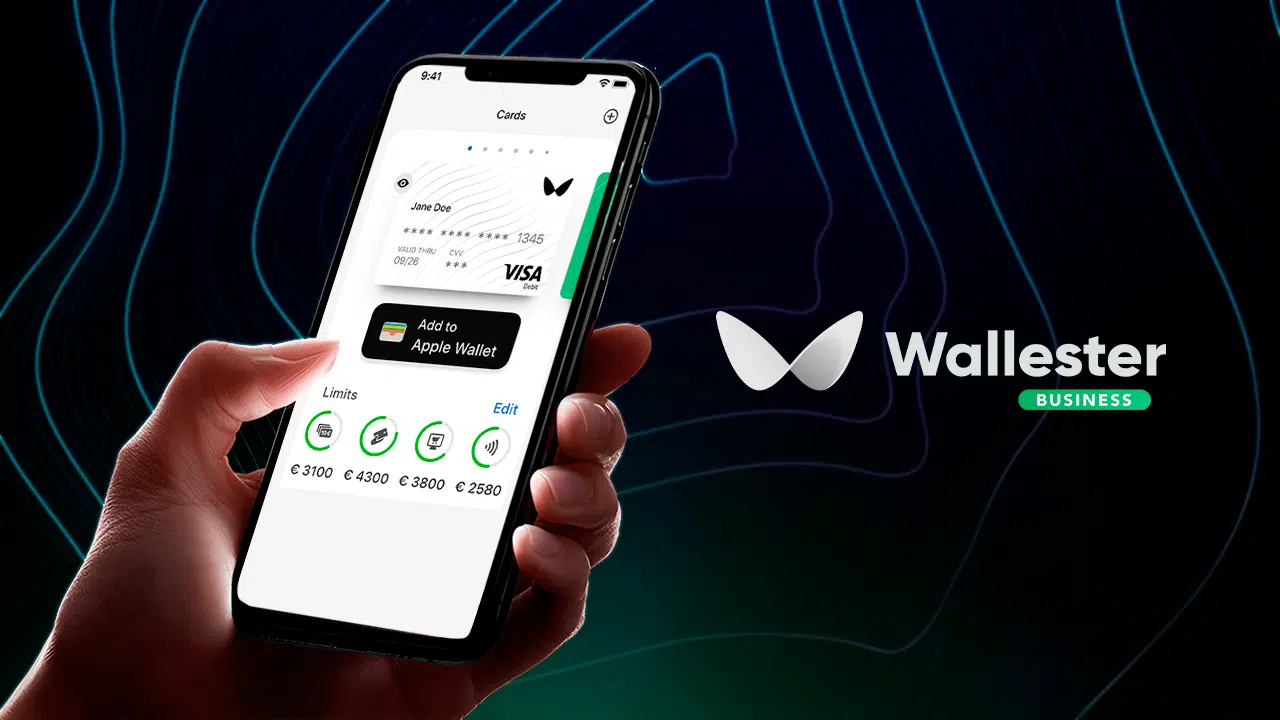
Co-brand card issuing has a lot of advantages for business. First, companies that use corporate cards have a powerful tool for financial management. Secondly, the work of the finance department is significantly simplified due to the following features of the corporate card issuing platform:
- transactions on all corporate cards are monitored in real-time;
- automated creation of reports on all company expenses;
- simplified budget management through an integrated service for financial accounting;
- online limit regulation;
- quick issuance, re-issuance and replacement of cards without the need to go to a banking organization;
- automatic confirmation of payments for employee purchases;
- easy integration with any software that the company’s finance department already has;
- uploading invoices to the mobile application for operational accounting of expenses.
Employees who have corporate cards at their disposal make quicker decisions and work more efficiently. They do not have to wait for a long time for confirmation of a purchase, as they can already pay for it within the pre-allocated limit.
Corporate cards can be tokenized, linking them to e-wallets and making payments for goods and services more securely.
As for the disadvantages of corporate cards, this payment instrument has none. They help businesses to develop and modernize, and they help employees to be freer to make decisions and perform their functions promptly.