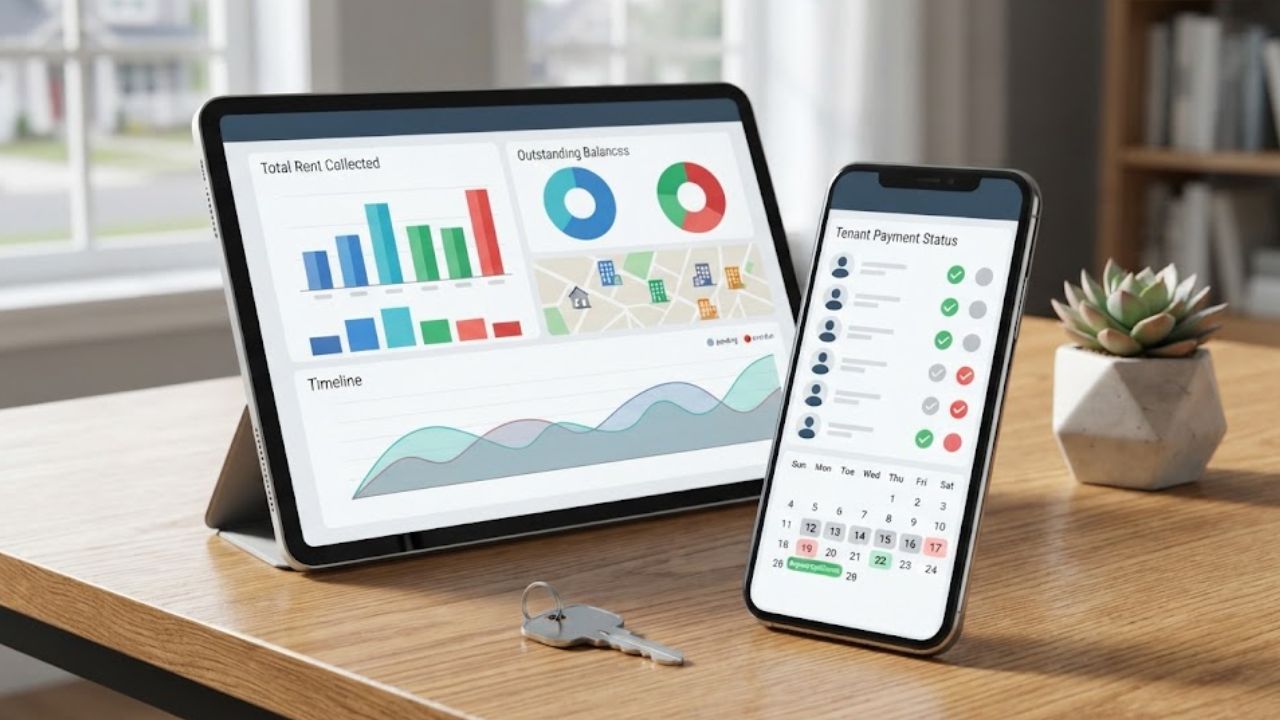
With some experts predicting that the fintech market will grow to over $37 billion by 2026, now is the time for your business to start exploring the perks of having customisable fintech digital solutions. From streamlined financial management to saving money and time, fintech apps bring a range of benefits to businesses. With this in mind, we at GeekyAnts Digital Transformation development studio present two game-changing customisable applications that are set to revolutionise the way you manage your financial operations.
- Our Tailor-Made Stock Market Trading App, GeekInvest: GeekInvest is a customisable stock trading app with a matching engine that enables buying and selling of orders in a stock market, commodity market, or other financial exchanges.
- Our Empowering Business Management App, Vardaan: A business management system that allows small and medium-sized businesses to conveniently manage their stores online from end-to-end. It can be customised based on your project requirements, saving you hundreds of design and development hours.
And this is just a glimpse of what we can do for your fintech business. From neo banking to personal finance apps, we deliver high quality end-to-end solutions that match your unique digital requirements.
Owing to unsure economic times, brought on by an ongoing recession and economic uncertainty, personal finance apps have become quite a popular way for people to manage expenses and curb impulsive expenditures. Apps like Moneyhub, Snoop, or Koody have a valuation of over £47m and several millions of users globally.
If you are looking to build a personal finance app in 2023, read on to understand user expectations and the process of building your very own personal finance application.
What Do Users Expect from a Personal Finance App in 2023?
The main use of personal finance apps is to help users regulate and track their expenses. General usage of personal finance apps includes income and expenditure calculation, budget planning, and data analysis.
Therefore, to retain users, creators of fintech apps need to include various features in the app. We have shared a list of the important ones below:
- Data Visualisation: The app needs to break down money management data into clear, visually attractive, and easy-to-understand information for users. There should be infographics, dashboards, summaries, and charts to help users with real-time updates on their financial status.
- Gamification: Introducing game-like elements can help your app stay ahead of the competition by making it more interactive, enjoyable, and engaging. Using rewards, levels, challenges, or milestones helps users experience motivation and a sense of achievement while working towards their financial goals.
- Compliance with all Security Standards: Protecting your user’s valuable financial data is necessary to avoid security breaches and maintain their trust. Security compliances such as General Data Protection Regulation (GDPR), multi-factor authentication (MFA), and regular audits and assessments ensure a secure app with no data breaches.
- Expense Tracking and Budgeting Tools: These tools allow users to track and categorize their expenses. Users can create budgets based on their income and expenses. Your app also needs to provide features for setting spending limits, tracking progress, and receiving notifications when they exceed budget limits.
- Bill Payment Reminders: Notifications or reminders to users for upcoming bill payments, helping them avoid late fees and ensuring timely payments.
- Goal Setting and Tracking: This allows users to set financial goals, such as saving for a vacation or paying off debt. Progress tracking and notifications to help users stay motivated.
- Savings and Investment Tracking: Users should be able to track their savings progress and monitor investments. Include features for tracking investment performance and providing insights.
- Customization and Personalization: A feature to customize the app interface, categories, and tags according to their preferences. Personalization features enhance user experience and engagement.
- Sync Across Devices: Users can access financial information and sync data across multiple devices, including smartphones, tablets, and web browsers.
- Payment Gateway Integration: In order to monitor and manage their finances, users should be able to link their bank accounts, credit cards, and investments to the finance app.
Artificial Intelligence (AI) Integration is also in high demand. Familiarity with AI-tools like ChatGPT has increased the affinity towards AI features and users expect apps to provide the perks that AI brings to the table.
Developing Your Personal Finance App
Let us take a look at the steps involved in creating a personal finance app with the features we have discussed.
STEP 1: Setting Goals and Confirming Target Audience
Determine key features that your audience expects from the application you are creating. This will help in prioritising features to build first and determining what to take up in future updates.
Here are key questions to ask:
- Who is my target audience?
- What unique user problems will my app solve?
- What are usage habits?
For the answers, you will need to conduct thorough research on existing personal finance apps and how different users are using the same. The GeekyAnts Business Analysis team does this in detail before we start any project relating to the finance app. We start off by understanding user habits and then move to advanced techniques like modeling and mapping with specific use cases. The app can fully address the requirements of the users only when this is done.
STEP 2: Prepare a List of Features
The research you have conducted till now should help you create a comprehensive list of features and specifications for your app. Include the common features found in finance apps, as discussed above, and add the ones that will make your product unique.
When the list is created, you will need to prioritise the features during the development phase. This can be done based on the key problems you are trying to solve with the application. A good visual medium to use in this stage is to keep three buckets — Necessary, Differentiator, and Additional.
STEP 3: Create/Build/Hire a Development Team
There are two ways to go about creating the development team for your app — 1) Building an in-house team and 2) Outsourcing to an experienced development company.
For your in-house team, you will need to hire designers, developers, project managers, and QA engineers. Apart from this, you will also require business analysts, UI/UX experts, and DevOps professionals to ensure all bases are covered. Ensure that you take great care while conducting interviews, as the developers need to have experience with the relevant tech stacks in order to create a robust app. It can be a tedious process but is a necessary one.
That is why many companies prefer to partner with an experienced development company that will handle the end-to-end creation of the application. From hiring developers to deployment, the partner will handle everything. Take, for example, the GeekyAnts X Sprive partnership. A UK company dedicated to helping users improve their money management wanted to build a loan optimiser and mortgage planner.
We helped Sprive build the application on React Native and handled the complete cycle of the development — strategy, planning, UI/UX, development, testing, and delivery. The Sprive team was consulted on key points of the development to ensure alignment with their vision.
It saved many development hours for the Sprive team and ensured they could focus on catering to their users rather than worrying about development timelines.
STEP 4: Plan the Visuals — UI/UX Design
Your app should balance visual appeal and user-friendliness. Make sure that you offer an app experience that is clean, intuitive, and easy to navigate for your target audience. In this step, you can create the wireframes and mockups necessary to design your app.
STEP 5: Selecting the Right Tech Stacks
You should have a definite idea about your app features at this stage. Select the tech stacks and tools you will require to start the development process according to your selected app type. For example, if you are developing a native app, it will run on a particular operating system, such as iOS or Android.
Native apps require separate code bases (Swift or Objective-C for iOS, Java or Kotlin for Android). Cross-platform apps run on multiple operating systems and can be built using the same codebase. React Native and Flutter are some popular cross-platform app development frameworks. Native apps typically require separate development teams to build for iOS and Android and are, therefore, more expensive and time-consuming than cross-platform app building.
This step can also be eliminated by partnering with an app development partner that has expertise in creating financial apps.
Once these steps are completed, an MVP or Minimum Viable Product needs to be created, and after evaluation, development can begin. Testing and quality analysis should happen in all the steps in the process. When the app passes all the necessary tests, it can be deployed.
Winning in the Competitive Finance App Market
Building an app from scratch is an ambitious project involving a significant investment of time, money, and resources and making several crucial decisions. Be sure to avoid common mistakes that many companies make while going through the process of creating the app. A few of them are:
- Missing MVP creation stage
- Skipping user research
- Not mapping user habits to features
- Compromising on quality for lower costs
- Preferring faster TAT over testing