

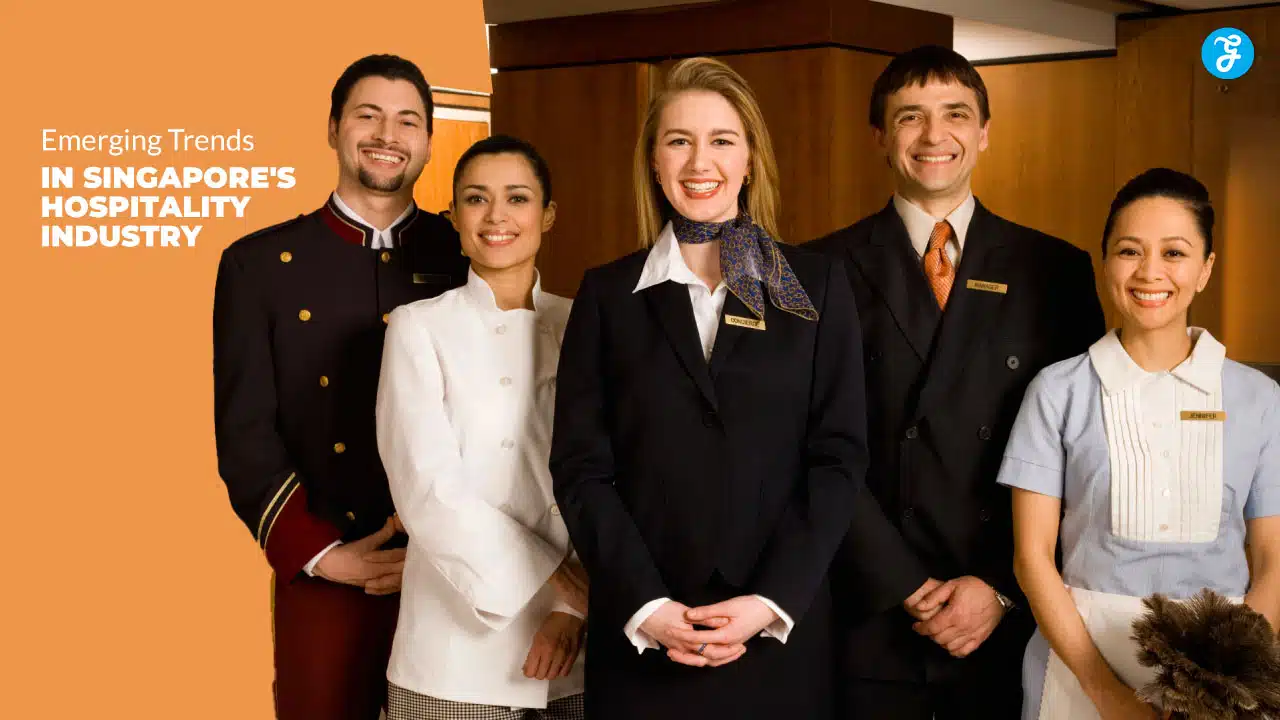
Singapore’s hospitality industry has always been a dynamic and evolving sector, adapting to global changes and technological innovations.
As we move toward 2025, the industry is poised to undergo significant transformations driven by new consumer expectations, sustainability initiatives, and technological advancements.
In this article, we explore the top five emerging trends shaping the future of Singapore’s hospitality industry.
1. Smart Hotels and Digital Transformation
In 2025, the concept of smart hotels will be at the forefront of Singapore’s hospitality landscape. As digital transformation continues to accelerate, hotels are adopting new technologies to enhance the guest experience, improve operational efficiency, and create seamless, contactless environments.
Key Innovations:
- Mobile Check-In/Check-Out: Guests can check in and out using their smartphones, minimizing physical contact and improving convenience.
- Voice-Controlled Room Features: Voice assistants, such as Amazon Alexa or Google Assistant, are being integrated into hotel rooms, allowing guests to control lighting, temperature, and entertainment.
- Contactless Payments: Mobile wallets, QR codes, and other digital payment methods are becoming standard, providing a safer and faster way for guests to pay.
- Personalized Guest Experience: AI-driven systems analyze guest preferences and suggest personalized services, from room settings to dining options.
Future Outlook:
By 2025, the widespread implementation of AI, IoT (Internet of Things), and big data will make the guest experience in Singapore’s hotels more customized, efficient, and convenient. Expect smart hotels to become the norm, offering seamless, tech-enhanced stays that cater to the modern traveler’s needs.
2. Sustainability and Eco-Friendly Practices

Sustainability continues to be a driving force in the hospitality industry globally, and Singapore is no exception. With increasing environmental awareness and consumer demand for sustainable practices, hotels are increasingly implementing eco-friendly initiatives to minimize their environmental impact.
Key Practices:
- Green Certifications: Many hotels in Singapore are pursuing certifications like Green Key or EarthCheck, which recognize their commitment to sustainable operations.
- Energy Efficiency: Hotels are adopting energy-saving technologies, including LED lighting, smart HVAC systems, and energy-efficient appliances to reduce their carbon footprint.
- Zero-Waste Initiatives: From eliminating single-use plastics to composting organic waste, hotels are adopting zero-waste practices to reduce landfill waste and promote recycling.
- Sustainable Sourcing: More hotels are sourcing local, organic, and ethically produced food and products to support the community and minimize environmental impact.
Future Outlook:
By 2025, sustainability will be a key differentiator for hotels in Singapore. Guests will increasingly choose accommodations based on their environmental practices, and hotels that prioritize sustainability will attract eco-conscious travelers.
3. Bleisure Travel: The Blend of Business and Leisure
As the lines between work and life continue to blur, the trend of “bleisure” travel—combining business and leisure—is on the rise. With more people working remotely or extending business trips for leisure, hotels in Singapore are evolving to cater to this growing demand.
Key Features of Bleisure Travel:
- Flexible Workspaces: Hotels are providing dedicated co-working spaces, equipped with high-speed internet, comfortable seating, and meeting rooms, allowing business travelers to work effectively while on the road.
- Leisure Offerings for Business Travelers: Hotels are offering packages that combine work and relaxation, such as discounted spa treatments, city tours, or fitness services.
- Extended Stays: Many hotels are offering discounted rates for extended stays, making it easier for business travelers to blend work and vacation time.
- Work-Life Balance Services: Hotels are focusing on services that help business travelers unwind, such as yoga sessions, meditation rooms, and on-site restaurants serving healthy meals.
Future Outlook:
By 2025, bleisure will be a dominant trend in Singapore’s hospitality industry, with hotels offering a balanced combination of work-focused amenities and leisure-oriented experiences to meet the needs of modern professionals.
4. Wellness Tourism and Health-Focused Stays
The demand for wellness tourism has skyrocketed in recent years, and Singapore’s hospitality industry is responding to this growing trend by offering health-focused accommodations. Travelers are increasingly seeking wellness-focused experiences that promote physical and mental well-being during their stays.
Key Offerings:
- Wellness Retreats: Hotels and resorts are offering specialized wellness retreats that include yoga, meditation, fitness classes, and healthy eating programs.
- Spa and Wellness Centers: Many hotels in Singapore are enhancing their spa offerings, incorporating holistic treatments such as aromatherapy, massage therapies, and detox programs.
- Health-Conscious Dining: The rise of plant-based, organic, and locally sourced menus is catering to health-conscious travelers. Many hotels offer farm-to-table dining experiences that emphasize nutrition and sustainability.
- Fitness Amenities: Hotels are providing state-of-the-art gyms, outdoor fitness programs, and wellness concierge services to help guests maintain a healthy lifestyle while traveling.
Future Outlook:
By 2025, wellness tourism will be an integral part of Singapore’s hospitality industry. Hotels will continue to innovate by offering personalized wellness experiences that cater to the growing demand for mental and physical health during travel.
5. Experience-Based Tourism and Local Immersion

Experience-based tourism, which focuses on immersive and authentic local experiences, is set to dominate the Singapore hospitality scene in 2025. Travelers are increasingly seeking unique, culturally enriching experiences that allow them to connect with the local environment and community.
Key Trends:
- Cultural Experiences: Hotels are partnering with local artisans, chefs, and tour guides to offer guests cultural activities such as cooking classes, art workshops, and heritage tours.
- Eco-Tourism: Nature-focused experiences, including eco-tours, wildlife watching, and sustainable travel practices, are becoming more popular with tourists looking for environmentally conscious vacations.
- Immersive Stays: Themed hotels and experiences, such as staying in boutique accommodations designed to reflect local culture or history, are gaining traction among travelers seeking a deeper connection to their destination.
- Local Food and Beverage: Many hotels are emphasizing local cuisine by offering regional dishes in their restaurants and organizing food tours or cooking classes for guests.
Future Outlook:
By 2025, experience-based tourism will be a significant driver of the hospitality industry in Singapore. Hotels will focus on providing guests with personalized, authentic experiences that immerse them in the local culture, community, and natural surroundings, enhancing their overall travel experience.
Takeaways
As we look ahead to 2025, Singapore’s hospitality industry is set to evolve with the integration of new technologies, sustainability efforts, and changing consumer demands.
From smart hotels offering seamless digital experiences to the rise of wellness and experience-based tourism, the hospitality landscape in Singapore will be shaped by innovations that prioritize comfort, health, and sustainability.
Hotels that embrace these emerging trends will not only enhance their appeal to the modern traveler but will also contribute to the long-term growth and success of Singapore’s tourism sector.
Whether you’re a business traveler, wellness seeker, or someone looking for unique local experiences, Singapore’s hospitality industry in 2025 will offer something for everyone.
FAQs
1. What are smart hotels, and how do they improve the guest experience?
Smart hotels use technology like mobile check-ins, voice-controlled room features, and AI-driven systems to offer a more personalized and seamless experience. Guests can control room settings, make payments, and access services more conveniently.
2. How are hotels in Singapore becoming more eco-friendly?
Hotels in Singapore are adopting sustainable practices such as energy-efficient systems, zero-waste initiatives, and sourcing local and organic products. Many also pursue green certifications to demonstrate their commitment to sustainability.
3. What is bleisure travel?
Bleisure travel refers to the combination of business and leisure travel. Hotels are catering to this trend by offering flexible workspaces, extended stays, and leisure activities designed for business travelers who want to blend work and relaxation.
4. How are wellness tourism and health-focused stays shaping Singapore’s hospitality industry?
Singapore’s hotels are increasingly offering wellness-focused experiences, including fitness programs, spas, healthy dining, and wellness retreats to cater to travelers seeking physical and mental well-being during their stay.
5. What is experience-based tourism?
Experience-based tourism emphasizes authentic and immersive local experiences, such as cultural tours, eco-tours, and local food experiences. Hotels in Singapore are embracing this trend by partnering with local guides, artisans, and chefs to provide guests with enriching experiences.





















