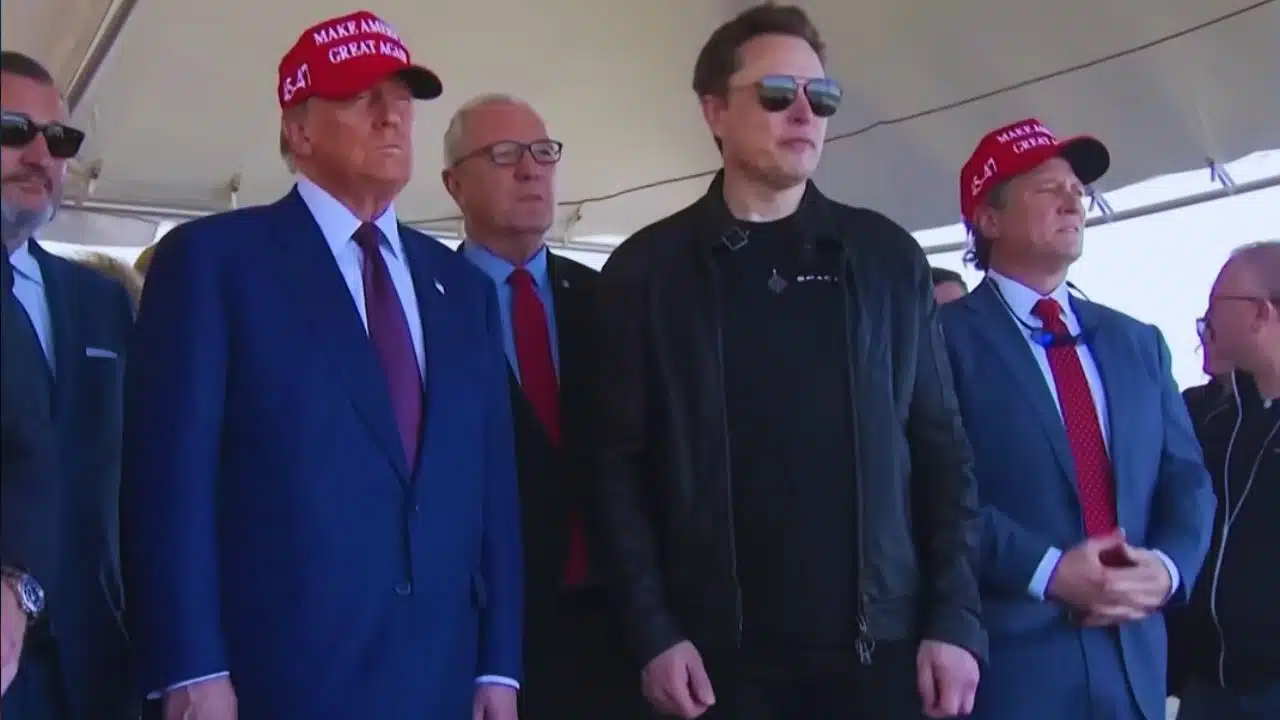
Elon Musk, alongside co-lead Vivek Ramaswamy in the newly established Department of Government Efficiency (D.O.G.E), has unveiled an ambitious plan aimed at streamlining the federal government.
A key component of this initiative? A full return-to-office (RTO) mandate for federal employees, a move sparking intense discussion about efficiency, cost-cutting, and the potential hidden motives behind such mandates.
The Controversial Proposal
In a Wall Street Journal op-ed, Musk and Ramaswamy outlined their vision to reduce the size and costs of the federal government. Central to their blueprint is requiring federal employees to return to the office five days a week.
Requiring federal employees to come to the office five days a week would result in a wave of voluntary terminations that we welcome: If federal employees don’t want to show up, American taxpayers shouldn’t pay them for the COVID-era privilege of staying home,” they wrote.
This statement has amplified long-standing debates over RTO policies. Critics argue that strict mandates may be less about workplace efficiency and more about indirectly reducing workforce numbers. A survey of over 1,500 U.S. managers earlier this year found that a quarter of C-suite executives hoped RTO policies would prompt voluntary resignations, effectively cutting costs without formal layoffs or severance payouts.
A Broader Trend Among Leaders
Musk and Ramaswamy are not the only executives facing scrutiny over RTO mandates. Amazon Web Services CEO Matt Garman recently faced backlash for suggesting that employees uncomfortable with office-based work could seek opportunities elsewhere.
His remarks were perceived by many Amazon workers as dismissive and led to an open letter of protest. Amazon CEO Andy Jassy countered allegations that the company’s RTO requirement was a covert cost-cutting strategy, emphasizing that it was not a “cost play.”
These conversations highlight a growing divide between corporate leadership and employees regarding post-pandemic workplace flexibility.
Federal Government at a Crossroads
The U.S. federal government employs over 2.2 million civilian staffers, making it the nation’s largest employer. Current policies allow individual agencies to decide their workplace strategies, leading to a hybrid approach for many workers.
According to the U.S. Office of Management and Budget, about half of federal employees work on-site full-time. Only 10% are in fully remote roles, while others split their time, spending roughly 60% of working hours at job sites.
Musk and Ramaswamy’s push for a uniform five-day in-office requirement would represent a major shift from this flexible model. However, it remains uncertain if such a sweeping policy can be implemented, especially given the complexity of federal labor structures and potential opposition from unions and employees alike.
The Bigger Question: Leading by Example
A lingering question in this debate is whether executives advocating for stringent RTO mandates will themselves adhere to in-office policies. Critics have frequently questioned if corporate leaders promoting RTO policies lead by example or if their demands only apply to rank-and-file employees.
For now, Musk’s bold stance has reignited discussions about the future of work, the balance between cost-cutting and employee satisfaction, and the evolving expectations of modern workplaces. As federal agencies and employees brace for potential changes, the debate over whether the office is truly indispensable in today’s world shows no signs of slowing down.
The Information is Collected from Fortune and Yahoo.