

I’ve guided hundreds of intended parents through egg donation procedures, and let me tell you – there’s a big difference between the textbook explanation and what patients really experience. After working at several fertility clinics, including a stint at NGC, which has one of the most streamlined processes I’ve seen, I’ve put together this guide to walk you through what actually happens.
Initial Steps: More Than Just Paperwork
The journey starts with finding the right clinic and donor. I always tell my patients this is where you should be picky. Clinics vary enormously in their approach, and the difference matters.
At NGC, they’ve eliminated many of the bureaucratic headaches that plague other clinics. Their initial consultation is refreshingly direct – they’ll assess your medical history, explain the options available to you, and help you understand if egg donation is the right path. No pushy sales tactics, just clarity.
The donor selection process deserves your time and attention. Most patients tell me they initially focus too much on physical appearance, then realize medical history and genetic screening are equally (if not more) important. Take your time here – this decision can’t be rushed.
Medical Screening: What They Don’t Always Tell You
Before anything happens, both recipients and donors undergo comprehensive screening. Here’s what to really expect:
For recipients, the tests go beyond basic fertility checks. You’ll likely have a transvaginal ultrasound (somewhat uncomfortable but not painful), blood tests, and possibly a saline sonogram to check your uterine cavity. Some clinics skip important tests to reduce costs – don’t let them. A proper screening prevents heartache later.
For donors, the process is rigorous. They undergo psychological evaluation, genetic screening, infectious disease testing, and a thorough review of their family medical history. The dropout rate at this stage is actually quite high – which is a good thing. It means standards are being maintained.
The Stimulation and Retrieval: Real Talk
Here’s where things get real. The egg donor will take hormone injections for about 10-14 days to stimulate multiple egg development. The exact protocol varies, but most donors I’ve worked with describe the experience as “uncomfortable but manageable.
The egg retrieval itself takes about 20-30 minutes and is done under light sedation. Recovery varies significantly between donors – some bounce back within hours, while others need a day or two of rest. The most common complaint? Bloating and mild cramping.
Fertilization and Embryo Development: The Waiting Game
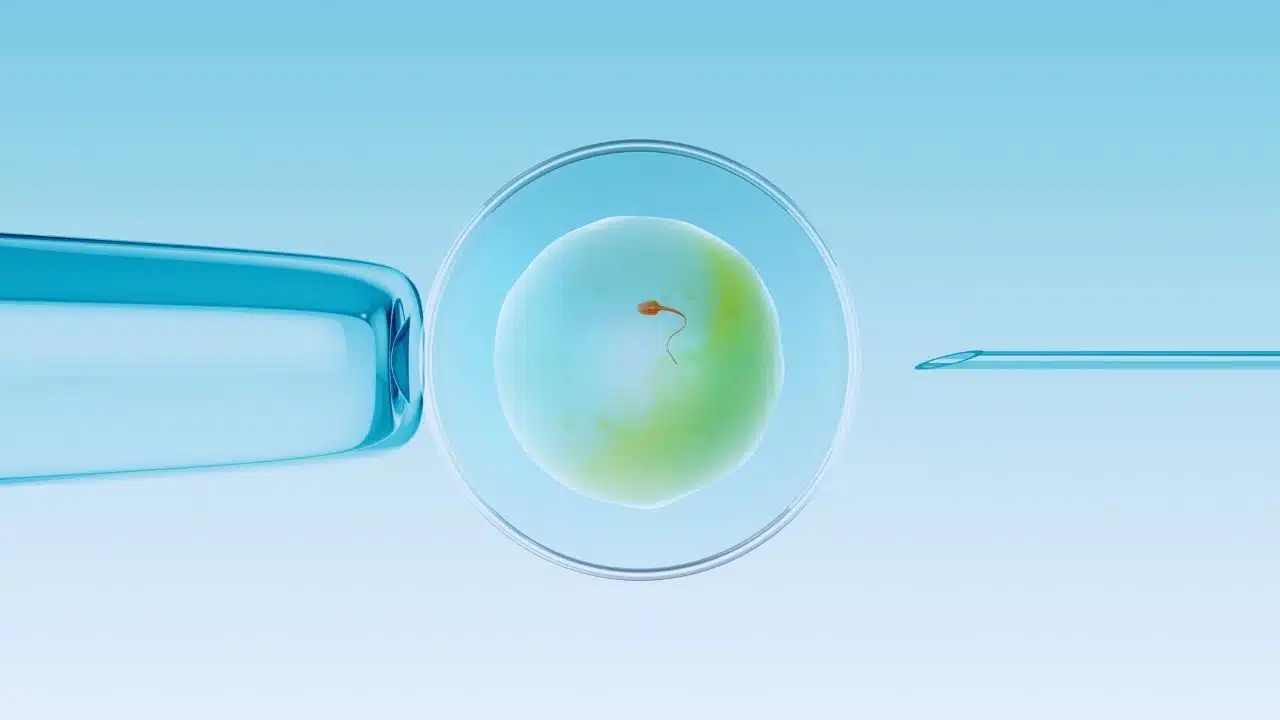
Once the eggs are retrieved, they’re fertilized with sperm in the lab. The fertilization rates can vary widely – from 60% to 80% of mature eggs typically fertilize successfully. This is when many clinics offer genetic testing of embryos (PGT-A), which adds time but increases success rates.
The wait during this period can be excruciating for intended parents. My advice? Distract yourself. The lab can’t make embryos develop faster by checking them more often.
Preparing for Transfer: Your Body Gets Ready
While the embryos are developing, the recipient prepares for transfer. This involves taking estrogen and progesterone to prepare the uterine lining. The side effects of these medications can be significant – mood swings, bloating, and fatigue are common. I wish more clinics were upfront about this.
The medications continue for several weeks after a successful transfer, which surprises many patients. At NGC, they provide detailed calendars so you know exactly what to expect and when.
The Transfer Day: Simpler Than You Think
The embryo transfer is surprisingly quick and usually painless – it takes about 5 minutes and feels similar to a pap smear. No anesthesia needed. Some clinics make this seem more complicated than it is.
After transfer, you’ll rest briefly (15-30 minutes), then you’re free to go about your day with minimal restrictions. The old advice about strict bed rest is outdated – normal activity is fine, just avoid strenuous exercise.
The Two-Week Wait: The Hardest Part
The period between transfer and pregnancy test (about 10-14 days) is emotionally challenging. You’ll analyze every twinge and symptom. My advice? Have a plan for distraction and support during this time.
Success Rates: The Honest Truth
Donor egg cycles have among the highest success rates in fertility treatment – typically 50-65% per transfer. However, it’s important to understand that even with perfect eggs, perfect embryos, and a perfect uterus, nature still plays a role, and not every transfer results in pregnancy.
Most patients need 1-2 transfers for success. That’s why working with a clinic that offers comprehensive packages can make financial sense.
What Makes the Difference in Your Experience
In my years of practice, I’ve noticed that three factors make the biggest difference in patient experience:
- Clear communication from your clinical team
- Realistic expectations about the timeline and physical experience
- Emotional support throughout the process
If you’re considering egg donation, look for a clinic that prioritizes these elements. NGC has built its reputation on transparent communication and comprehensive support – something I wish was standard across the industry.
























