

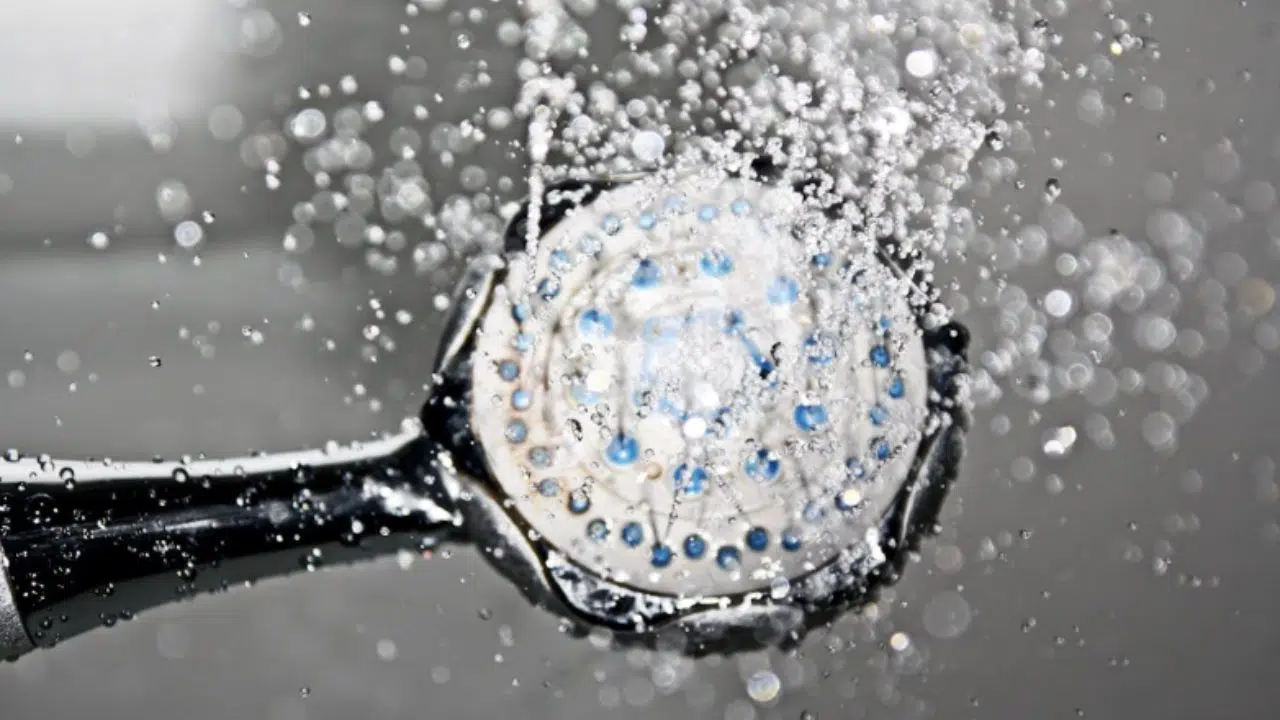
Have you started noticing a stubborn, crusty white residue on your tapware or showerhead? If so, then this means that your home has limescale. Many people regard this chalky substance as nothing more than a nuisance, but the reality is that it can cause significant damage to your plumbing infrastructure.
A few common plumbing issues caused by limescale include reduced water pressure, corrosion that leads to leaks, and even appliance failure (dishwashers and hot water systems). All of these issues may leave you needing to call the plumber Gungahlin residents call for all things plumbing-related. This post takes a closer look at what limescale is, and we also share a few tips on how to deal with it before it damages your plumbing infrastructure.
Understanding What Limescale is
Any plumber will agree that limescale seems to love Australian plumbing because it’s so prevalent in many parts of the country. Essentially, limescale is made up of calcium carbonate, which forms on a surface when hard water is heated on a surface and left to evaporate. Let’s explain this a little more clearly.
The term “hard water” refers to regular tap water that contains high levels of dissolved minerals such as magnesium and calcium. These minerals are present in the water when it is extracted from boreholes or dams. In addition to this, chemical residue can also come from the treatment plant where water is treated for normal use.
When this mineral-rich water flows through your plumbing pipes and into the taps, the drop in pressure and change in temperature cause the calcium to crystallise. The water then evaporates, leaving the solid calcium behind. Over time, the calcium petrifies into the white chalky substance we know as limescale.
Tried and Tested Environmentally Friendly Hacks
You don’t have to call your plumber every time you see limescale on your plumbing fixtures. However, there are a few eco-friendly ways that you can remove any build-up in your taps and pipes. Keep in mind that the goal here is to avoid adding more chemicals to a situation that has already been caused by excessive chemicals.
1. Tip #1: Use Vinegar on Your Showerheads
Limescale causes showerheads to perform poorly because it blocks the holes through which water should flow. When this happens, it’s a good idea to clean your showerhead using the vinegar method.
Here, you’ll want to remember that vinegar is a natural acid that breaks down any limescale that has formed on the outside of the shower as well as in the holes. Simply follow these basic steps:
- Fill a plastic bag (even an old shopping bag will do) with white vinegar and submerge the showerhead in it, securing the bag with a rubber band.
- Leave this on the showerhead for a minimum of 1 hour for mild build-up and overnight for heavy buildup.
- Use an old toothbrush, or other soft-bristle brush, to scrub as much of the shower head as you can reach.
- Flush out with hot water to remove any loose limescales.
2. Tip #2: Use the Lemon Trick for Tapware
Some taps may be harder to soak in vinegar because of their angle. A bag of vinegar tied to the tap may just end up making a huge mess. If this is the case, rather opt for the lemon trick for your kitchen and bathroom tapware.
For this, simply follow these steps:
- Cut a fresh lemon in half and press it onto the end of the tap (the spout). The citric acid will go to work on the aerator.
- You can also use a microfiber cloth soaked in vinegar. Wrap it tightly around the tap and let it soak for a few hours or overnight.
- You may have to repeat the process for more stubborn limescale.
3. Tip #3: Use Vinegar as a Spray
If you haven’t already seen traces of it, then you may not know that limescale can also form on the tiles in your bathroom or kitchen. It can also form on glass shower doors or screens. To get rid of it on these surfaces, follow these simple steps:
- Create a 50/50 solution of water and white vinegar and add it to a clean spray bottle.
- Spray shower doors, screens, and tiles as part of your regular cleaning routine.
- Wait 15 to 20 minutes and wipe the area with a dry microfibre cloth.
This method is an excellent way to deal with glass shower screens that seem to be cloudy. Our expert plumber also recommends using a squeegee to wipe your shower down after each use. This should go a long way toward removing any calcium crystals before they become limescale.
Final Thoughts
Unfortunately, there’s no way of getting around limescale if you live in Australia, where diverse water sources are used. Luckily, your local plumber will be able to advise you of general tips and guidelines specific to your plumbing infrastructure to reduce the effects of limescale damage. You can also use our eco-friendly tips to keep limescale at bay.





















