


The global focus on sustainability is shaping the real estate market like never before. For investors in Australia, embracing eco-friendly real estate not only contributes to environmental conservation but also unlocks a range of financial benefits.
The Australian government has implemented various tax incentives for investing in eco-friendly real estate in Australia, promoting green construction and energy-efficient upgrades. These incentives make sustainable real estate a smart and lucrative choice.
This article dives deep into the tax incentives for investing in eco-friendly real estate in Australia, explaining how they work, who qualifies, and the financial advantages they offer.
Whether you’re a seasoned investor or just starting, understanding these benefits can help you maximize returns while contributing to a greener future.
Why Sustainable Real Estate Is the Future of Investing in Australia
Sustainable real estate refers to properties designed, constructed, or upgraded with practices that minimize environmental impact.
These buildings often feature energy-efficient systems, renewable energy sources, and sustainable materials.
Examples include properties with solar panels, green roofs, or advanced water conservation systems.
The Growing Demand for Eco-Friendly Properties
The demand for eco-friendly real estate is growing exponentially. According to recent studies, properties with green certifications like NABERS or Green Star attract higher rental yields and resale values.
Moreover, tenants and buyers increasingly prefer eco-friendly spaces, creating a competitive edge for green properties in the market.
How Tax Incentives Boost Sustainable Real Estate Investments
Tax incentives for investing in eco-friendly real estate in Australia are designed to lower the financial barriers to green investments.
These incentives reward property owners for adopting green technologies, making sustainable upgrades, and contributing to Australia’s environmental goals.
By leveraging these benefits, investors can reduce costs and enhance returns.
Understanding Tax Incentives for Eco-Friendly Real Estate in Australia
Tax incentives are financial benefits provided by the government to encourage specific behaviors, such as investing in eco-friendly practices.
For real estate investors, these incentives can take the form of deductions, rebates, or exemptions that significantly lower taxable income.
Eligibility Criteria for Tax Incentives
To qualify for these incentives, investors must meet certain criteria, including:
- Owning or investing in properties that comply with sustainability standards.
- Installing approved energy-efficient systems or renewable energy technologies.
- Ensuring that construction or upgrades meet green certification requirements, such as Green Star or NABERS ratings.
The 8 Key Tax Incentives for Eco-Friendly Real Estate Investments
1. Capital Works Deduction (Division 43)
Investors can claim deductions for construction costs of income-producing properties. Properties with energy-efficient designs or sustainable materials are eligible for higher deductions under Division 43 of the Income Tax Assessment Act.
For example, constructing a building with solar panels or recycled materials can lead to significant tax savings.
| Key Details | Description |
| Deduction Rate | Up to 2.5% annually of construction costs |
| Eligible Features | Solar panels, recycled materials, eco-friendly designs |
| Example Savings | $5,000 annually for a $200,000 project |
2. Renewable Energy Incentives
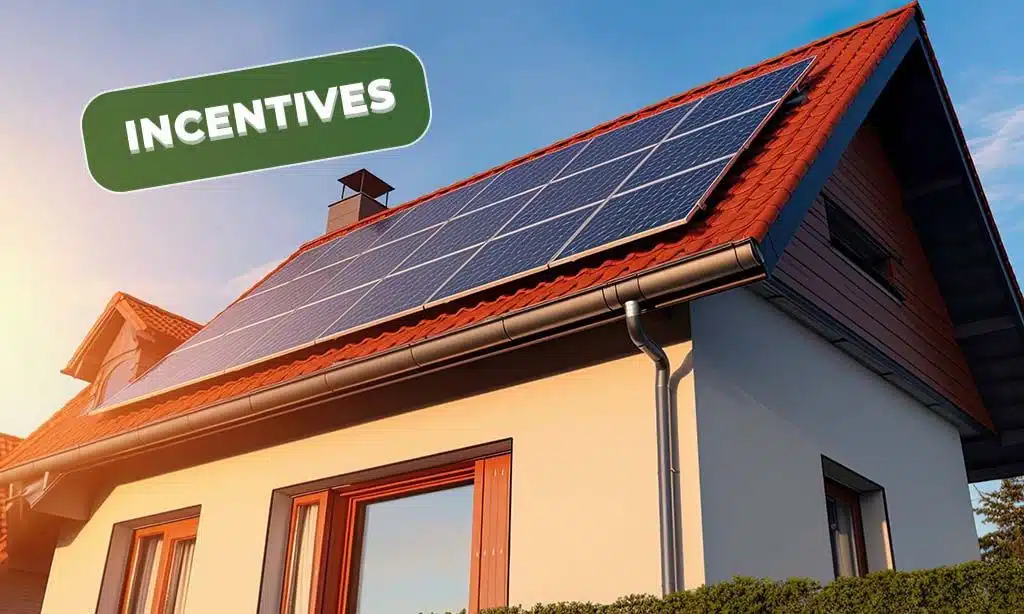
The Australian government encourages the adoption of renewable energy systems through various incentives:
- Solar Rebates: Reduced installation costs for solar panels.
- Small-scale Renewable Energy Scheme (SRES): Investors receive financial incentives for installing eligible renewable energy systems.
| Key Details | Description |
| Incentive Types | Solar rebates, SRES certificates |
| Savings Range | $2,000 – $6,000 per installation |
| Eligible Systems | Solar panels, wind turbines, solar water heaters |
3. Depreciation for Energy-Efficient Appliances
Investors can accelerate depreciation on energy-efficient appliances and systems. Examples include:
- Solar water heaters.
- Energy-efficient HVAC systems.
- LED lighting. These deductions allow investors to recover costs faster while reducing taxable income.
| Key Details | Description |
| Eligible Appliances | HVAC systems, solar heaters, LED lights |
| Depreciation Rate | Accelerated (varies by appliance) |
| Example Savings | $1,500 for a $10,000 appliance |
4. Land Tax Discounts for Green Building Projects
Several Australian states offer land tax discounts for properties that meet green building standards. For instance:
- New South Wales (NSW): Discounts for properties with energy-efficient certifications.
- Victoria: Incentives for green roofs and water conservation systems.
| Key Details | Description |
| State Examples | NSW, Victoria |
| Discount Rate | Up to 20% reduction in land tax |
| Eligibility | Certified green properties |
5. Carbon Offset Tax Benefits
Investors who support carbon offset projects or develop properties with carbon-neutral goals can claim deductions.
These benefits align with Australia’s commitment to reducing carbon emissions and achieving net-zero targets.
| Key Details | Description |
| Eligible Projects | Carbon offset, carbon-neutral developments |
| Savings Potential | Varies based on investment |
| Example | $2,000 deduction for carbon offset contributions |
6. Tax Breaks for Green Financing
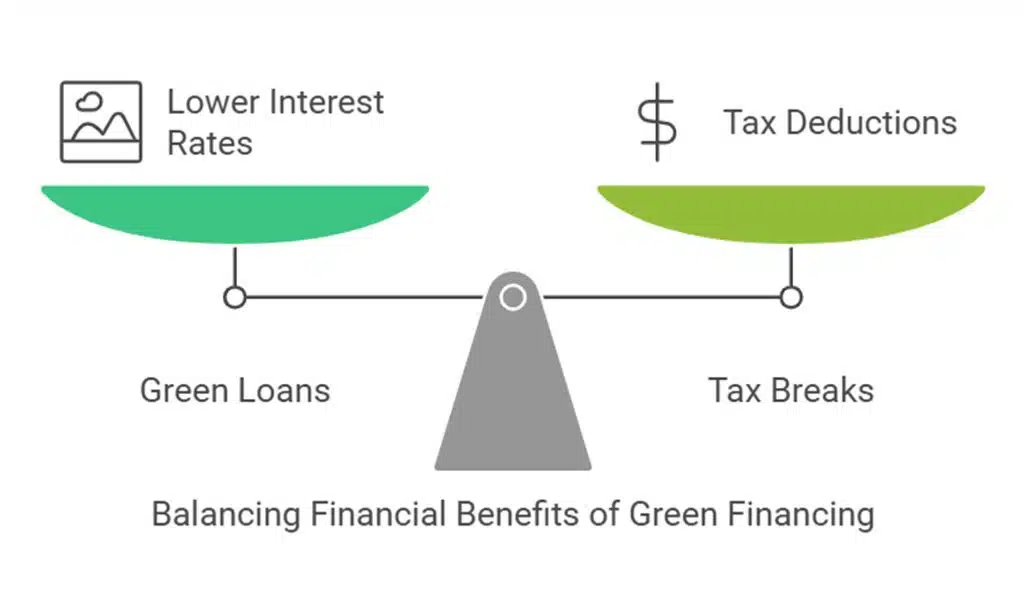
Green loans, offered by many Australian banks, often come with lower interest rates.
Additionally, investors using these loans may qualify for tax breaks, further reducing the cost of borrowing for sustainable projects.
| Key Details | Description |
| Loan Type | Green loans |
| Tax Break Eligibility | Interest rate reductions and deductions |
| Example Benefit | $1,000 saved annually on interest for a $100,000 loan |
7. GST Concessions for Sustainable Property Development
Goods and Services Tax (GST) exemptions or reductions are available for eco-friendly developments.
For example, properties meeting Green Star ratings may qualify for GST concessions, lowering overall project costs.
| Key Details | Description |
| GST Reduction | Up to 10% for green developments |
| Eligibility | Certified eco-friendly projects |
| Example Savings | $10,000 on a $100,000 project |
8. State-Specific Incentives for Eco-Friendly Real Estate
Each Australian state has unique incentives to promote sustainable real estate:
- Queensland: Grants for installing solar systems and energy-efficient upgrades.
- South Australia: Incentives for water-saving technologies and green roofs.
| Key Details | Description |
| State Examples | Queensland, South Australia |
| Incentive Types | Grants, rebates |
| Savings Range | Varies by program |
Benefits of Tax Incentives for Investing in Eco-Friendly Real Estate in Australia
Financial Savings and ROI
Tax incentives reduce upfront and operational costs, increasing overall profitability. For instance, investors who install solar panels benefit from both tax rebates and lower energy bills.
Enhancing Property Value
Eco-friendly properties command higher rental and resale values, providing long-term financial benefits.
Contributing to a Greener Future
By investing in eco-friendly real estate, investors align their financial goals with environmental responsibility, supporting Australia’s sustainability targets.
Challenges and Considerations When Investing in Eco-Friendly Real Estate
Initial Costs vs. Long-Term Savings
Sustainable upgrades can be costly initially, but the long-term savings and tax benefits often outweigh these expenses.
Investors must ensure compliance with regulations and certifications to qualify for incentives. Consulting experts can simplify this process.
Staying Updated on Policy Changes
Government policies and incentives for eco-friendly real estate evolve regularly. Staying informed is crucial to maximizing benefits.
Practical Tips for Maximizing Tax Incentives
Consult with a Tax Expert
Work with a tax advisor experienced in sustainable investments to identify and claim eligible incentives.
Leverage Green Certifications
Obtaining certifications like NABERS or Green Star enhances eligibility for tax benefits and increases property value.
Track and Document Investments
Maintain detailed records of all sustainable upgrades and expenses to streamline the tax claim process.
Takeaway
Investing in eco-friendly real estate in Australia offers a unique opportunity to achieve financial success while contributing to environmental sustainability.
With an array of tax incentives, from capital works deductions to state-specific rebates, the financial benefits of green investments are compelling.
By staying informed and leveraging these opportunities, you can secure long-term returns and play a vital role in building a greener future.





















