As workplaces evolve, businesses are increasingly recognizing the benefits of green building design. Not only do eco-friendly buildings reduce environmental impact, but they also significantly enhance employee well-being and productivity.
Offices designed with green principles prioritize factors such as air quality, lighting, and thermal comfort, creating a healthier and more efficient environment for employees.
This article explores 15 ways green building design can boost productivity in offices. By adopting these strategies, organizations can support employee performance while reducing their ecological footprint.
1. Enhanced Indoor Air Quality
Clean air is essential for maintaining health, focus, and overall well-being in the workplace. Poor air quality can cause symptoms such as fatigue, headaches, and respiratory issues, which decrease employee efficiency and satisfaction. Traditional office environments often lack proper ventilation and are filled with pollutants from furnishings, cleaning agents, and outdoor air infiltration.
How Green Design Helps
- Ventilation Systems: Green buildings incorporate advanced HVAC (Heating, Ventilation, and Air Conditioning) systems designed to enhance air circulation and remove contaminants. These systems monitor air quality and ensure consistent oxygen levels.
- Low-Emission Materials: Building materials like low-VOC (volatile organic compounds) paints, sealants, and adhesives release fewer toxins, reducing indoor air pollution.
- Natural Air Filters: Incorporating indoor plants, such as spider plants or peace lilies, can naturally purify the air by removing carbon dioxide and other harmful substances.
- Air Quality Monitoring: Sensors integrated into green buildings detect pollution levels and adjust ventilation to maintain a healthy environment.
Example:
| Traditional Office | Green Office |
| Stale air circulation | Fresh air via smart ventilation |
| High VOC materials | Low-VOC, eco-friendly materials |
| No air purification | Plants and advanced air filters |
Real-World Impact
Studies by the Harvard T.H. Chan School of Public Health revealed that improved air quality in offices can enhance cognitive function by up to 61%, leading to better decision-making and productivity.
2. Natural Lighting
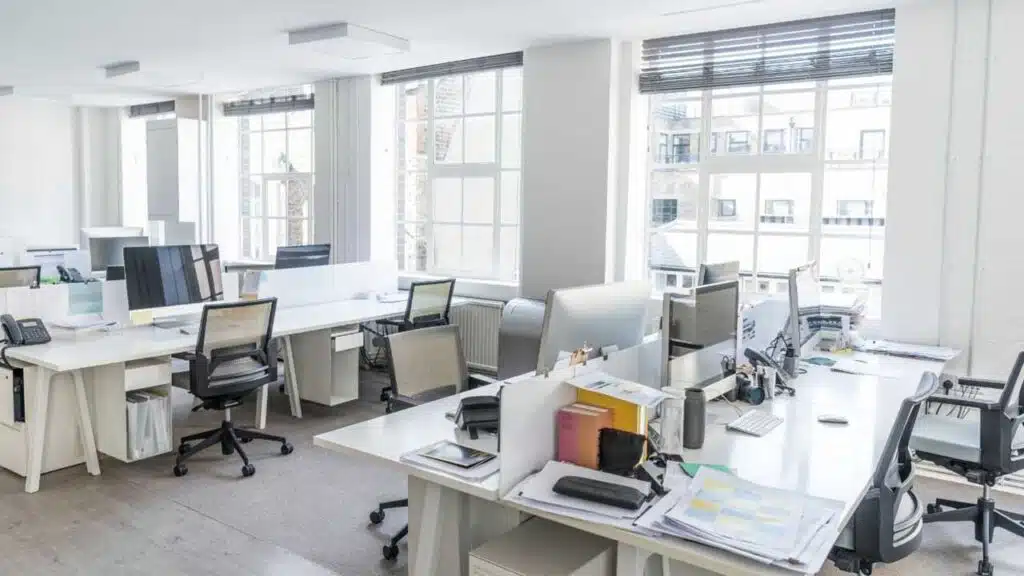
Exposure to natural light is a proven mood booster. Employees working in offices with ample daylight experience less eye strain, fatigue, and stress compared to those in artificially lit environments. Poor lighting is linked to decreased morale and productivity, making daylight a key factor in workplace design.
How Green Design Helps
- Large Windows: Expansive, strategically placed windows allow natural light to flood the workspace, reducing dependence on artificial lighting.
- Skylights: Installations on rooftops bring sunlight into areas of the building that windows cannot reach, ensuring even lighting throughout.
- Light Shelves and Reflectors: These architectural features distribute sunlight deeper into office interiors, minimizing shadows and glare.
- Daylight Sensors: Smart technology adjusts artificial lighting levels based on natural light availability, ensuring consistency without energy waste.
Pro Tip:
Consider using daylight simulation tools during the design phase to maximize natural light distribution while mitigating glare.
Real-World Example:
Companies like Google have redesigned their workspaces to incorporate natural light, reporting improvements in employee satisfaction and productivity by over 25%.
3. Thermal Comfort
Temperature plays a significant role in workplace productivity. Both excessively high and low temperatures can cause discomfort, leading to decreased focus and increased absenteeism. Ensuring thermal comfort is essential for maintaining an energized and satisfied workforce.
How Green Design Helps
- Insulated Walls and Windows: High-performance insulation minimizes heat loss during winter and prevents heat gain during summer, maintaining a stable indoor temperature.
- Smart Thermostats: Automated systems adjust heating and cooling based on occupancy, outdoor weather, and time of day, ensuring consistent thermal comfort.
- Natural Ventilation: Strategically placed windows and vents facilitate cross-ventilation, reducing reliance on air conditioning and creating a fresh indoor environment.
- Thermal Mass Materials: Materials like concrete and stone help regulate indoor temperatures by absorbing and releasing heat slowly.
Example:
| Feature | Impact |
| Insulated windows | Reduced energy usage |
| Smart thermostats | Optimized comfort and efficiency |
| Cross-ventilation | Natural cooling and fresh air |
Real-World Impact:
The World Green Building Council found that employees working in thermally comfortable offices are up to 10% more productive compared to those in poorly regulated environments.
4. Energy-Efficient Lighting
Lighting affects both energy consumption and workplace comfort. Traditional incandescent bulbs not only consume more electricity but also emit excess heat, contributing to discomfort and higher cooling costs. Energy-efficient lighting ensures adequate illumination while reducing strain on both employees and operational budgets.
How Green Design Helps
- LED Lighting: Modern LED bulbs use up to 80% less energy than incandescent ones and have a longer lifespan, making them an economical and sustainable choice.
- Task Lighting: Focused lighting solutions for desks or specific work areas reduce the need for overly bright ambient lighting, preventing glare.
- Motion Sensors: Automatically switch lights on or off based on room occupancy, reducing unnecessary energy consumption.
- Dimmable Lighting Systems: Allow employees to customize light intensity, catering to their comfort and task-specific needs.
Pro Tip:
Combine LED lighting with renewable energy sources like solar panels to achieve maximum energy efficiency and sustainability.
Real-World Example:
The Edge building in Amsterdam, hailed as one of the greenest buildings in the world, uses smart lighting systems that adapt to natural light availability, saving 70% on energy costs.
5. Ergonomic Furniture
Ergonomics directly impacts physical health, productivity, and employee morale. Poorly designed furniture contributes to musculoskeletal issues such as back pain, neck strain, and repetitive stress injuries, leading to increased absenteeism and reduced workplace efficiency.
How Green Design Helps
- Adjustable Desks and Chairs: Height-adjustable desks and ergonomic chairs allow employees to customize their workspace, promoting better posture and reducing discomfort.
- Sustainable Materials: Green furniture is crafted from renewable resources like bamboo or recycled materials, minimizing environmental impact.
- Standing Desks: Encourage movement throughout the day, improving circulation and reducing fatigue.
- Modular Furniture Systems: These adaptable designs can be rearranged to suit different tasks, fostering collaboration while reducing waste.
Example:
| Feature | Benefit |
| Adjustable chairs | Improved posture and comfort |
| Bamboo desks | Eco-friendly and durable |
| Standing desk options | Promotes physical activity |
Real-World Impact:
Companies like Microsoft reported a 53% decrease in employee complaints about physical discomfort after introducing ergonomic furniture in their offices.
6. Biophilic Design
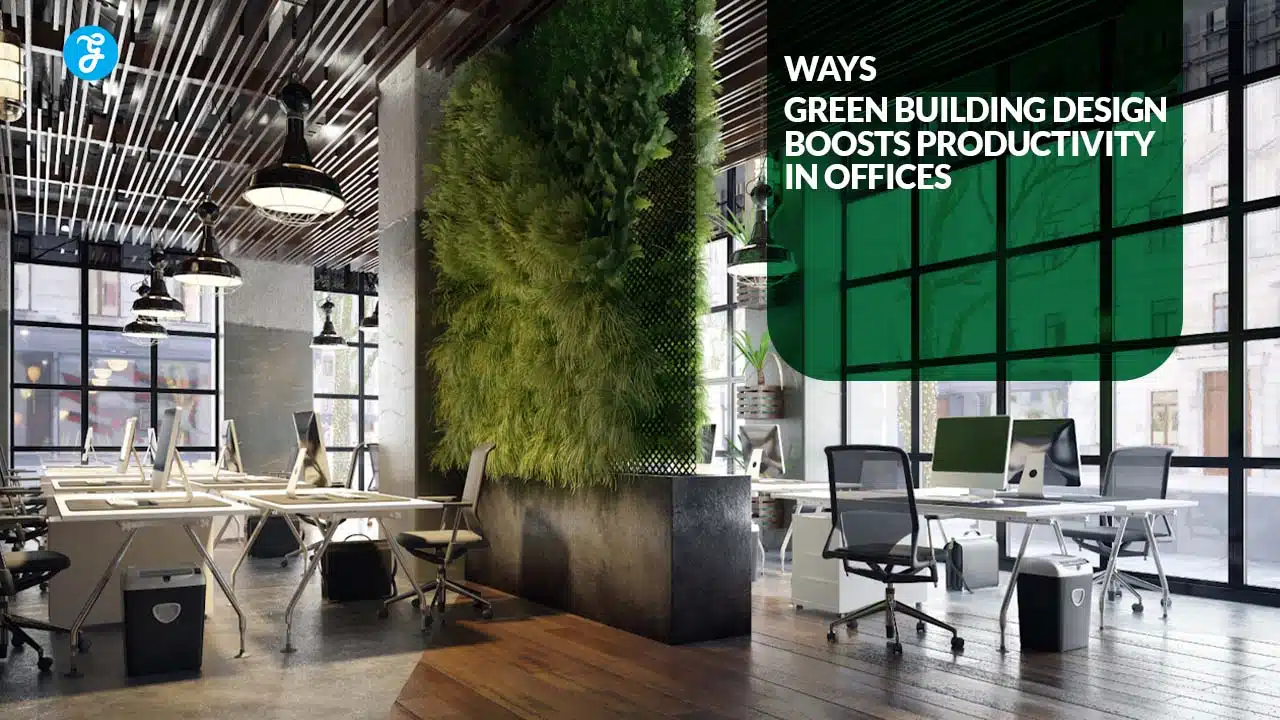
Biophilic design integrates elements of nature into office spaces, creating a soothing and stimulating environment. Studies show that exposure to natural elements reduces stress, boosts creativity, and enhances focus. Employees in biophilic-designed spaces report higher job satisfaction and lower burnout rates.
How Green Design Helps
- Living Walls: Vertical gardens filled with lush greenery improve air quality and add aesthetic appeal.
- Natural Materials: Using materials like wood, stone, and bamboo fosters a connection to nature.
- Indoor Plants: Placing plants throughout the office not only enhances décor but also improves air quality and humidity levels.
- Access to Outdoor Spaces: Terraces, courtyards, or roof gardens encourage employees to relax and recharge during breaks.
Example:
| Feature | Benefit | Example Companies |
| Living walls | Air purification, reduced stress | Amazon, Google |
| Natural materials | Enhanced aesthetics and comfort | Microsoft |
| Outdoor spaces | Improved well-being and creativity | Salesforce Tower, London |
Real-World Impact
The International WELL Building Institute found that biophilic elements in offices can increase productivity by up to 15% while improving overall employee health.
7. Improved Acoustics
Noise pollution in the workplace disrupts focus, increases stress, and reduces productivity. In open-plan offices, poor acoustics can lead to a lack of privacy and constant distractions. Enhancing acoustic design ensures a quieter, more comfortable workspace.
How Green Design Helps
- Sound-Absorbing Materials: Acoustic panels, carpets, and ceiling tiles help dampen noise.
- Quiet Zones: Dedicated spaces for focused work provide employees with a distraction-free environment.
- Natural Sound Barriers: Strategic placement of indoor plants or partitions reduces noise levels naturally.
- White Noise Systems: Low-level background sound masks distracting noises and enhances concentration.
Example:
| Noise Source | Green Solution | Benefit |
| Office chatter | Acoustic panels, quiet zones | Increased focus and privacy |
| Machine noise | Noise-cancelling barriers | Reduced stress |
| Open-plan distractions | Sound-absorbing materials | Enhanced concentration |
Real-World Impact
A study by the University of Sydney found that employees in well-designed acoustic environments are 48% more productive compared to those in noisy offices.
8. Water Efficiency
Water efficiency is essential for sustainable office operations. Access to clean and well-maintained water facilities ensures employee hydration, health, and satisfaction. Green building designs also conserve water, reducing operational costs and supporting environmental goals.
How Green Design Helps
- Low-Flow Fixtures: Faucets, toilets, and showers that use less water while maintaining performance.
- Filtered Water Stations: Encourage hydration by providing fresh, clean drinking water.
- Rainwater Harvesting Systems: Collect rainwater for use in irrigation, cleaning, and non-potable applications.
- Greywater Recycling: Reuse wastewater for landscaping or toilet flushing.
Example:
| Feature | Environmental Impact | Benefit to Employees |
| Low-flow fixtures | Reduced water consumption | Maintained functionality |
| Rainwater harvesting | Sustainable water management | Cost savings for operations |
| Filtered water stations | Improved hydration access | Healthier employees |
Real-World Impact
The Bullitt Center in Seattle incorporates advanced water conservation systems, reducing water use by 75% compared to conventional buildings.
9. Optimized Space Utilization
Efficient space utilization reduces clutter, improves workflow, and creates a more organized office environment. Poorly planned spaces often lead to employee frustration and lower productivity. Green building designs prioritize adaptable, functional layouts that cater to diverse work needs.
How Green Design Helps
- Flexible Workstations: Modular furniture allows employees to reconfigure their spaces for individual or collaborative tasks.
- Open Layouts: Promote teamwork while reducing the need for excessive walls and construction.
- Hot Desking: Encourages shared workspaces, reducing the office’s overall footprint.
- Smart Storage Solutions: Keep workspaces organized and stress-free.
Example:
| Design Feature | Productivity Benefit | Example Offices |
| Modular furniture | Adaptable workspaces | WeWork, CoWorking spaces |
| Smart storage systems | Reduced clutter | Google Offices |
| Open layouts | Enhanced collaboration | Meta Headquarters |
Real-World Impact
Companies like Dropbox redesigned their offices to include flexible workspaces and reported a 30% increase in employee satisfaction.
10. Renewable Energy Integration
Integrating renewable energy into office design reduces carbon footprints and operational costs while supporting sustainability goals. Employees in environmentally conscious workplaces feel motivated and engaged, knowing their company is committed to green initiatives.
How Green Design Helps
- Solar Panels: Generate clean energy for lighting, heating, and cooling systems.
- Geothermal Systems: Use underground temperatures to provide efficient heating and cooling.
- Wind Turbines: Supplement power needs with on-site renewable energy.
- Energy Monitoring Systems: Track energy usage and identify areas for optimization.
Example:
| Renewable Technology | Benefit | Real-World Examples |
| Solar panels | Reduced energy bills | Apple’s Cupertino Campus |
| Geothermal heating | Energy-efficient temperature control | National Renewable Energy Lab |
| Wind turbines | Supplemental power | Bahrain World Trade Center |
Real-World Impact
Tesla’s Gigafactory runs entirely on renewable energy, showcasing significant cost savings while setting a benchmark for green office design.
11. Enhanced Employee Wellness Programs
Prioritizing employee wellness in office design improves health, morale, and overall productivity. Modern green buildings often integrate wellness spaces that promote physical and mental well-being, fostering a healthier workforce. Companies that invest in wellness programs see reduced absenteeism and increased employee engagement.
How Green Design Helps
- Fitness Areas: Gyms, yoga rooms, or walking tracks within the building encourage physical activity during breaks.
- Meditation and Relaxation Rooms: Quiet spaces designed for mindfulness activities help employees recharge mentally.
- Health-Focused Layouts: Designs that incorporate staircases, standing desks, and walking paths encourage daily movement and reduce sedentary behavior.
Example:
| Feature | Benefit | Example Companies |
| Meditation rooms | Reduces stress | Salesforce |
| Fitness centers | Encourages physical health | |
| Walking tracks | Promotes active lifestyles | Apple |
Real-World Impact
A report by the World Green Building Council highlights that wellness-oriented spaces can increase productivity by up to 12%, with employees feeling more energized and focused.
12. Sustainable Materials
Using sustainable building materials reduces environmental impact and creates a healthier workplace. Eco-friendly materials often emit fewer toxins, improving indoor air quality and ensuring a safer environment for employees.
How Green Design Helps
- Recycled Materials: Incorporating materials like reclaimed wood, recycled steel, or glass minimizes resource waste.
- Non-Toxic Finishes: Use paints, adhesives, and sealants with low or zero VOC content to ensure healthier indoor air.
- Locally Sourced Materials: Reduces the carbon footprint of transportation while supporting local economies.
Example:
| Material | Environmental Impact | Benefit to Offices |
| Recycled wood | Reduces deforestation | Durable and aesthetic |
| Bamboo | Rapidly renewable resource | Versatile and eco-friendly |
| Low-VOC paint | Improves indoor air quality | Safer for employees |
Real-World Impact
The Bullitt Center in Seattle uses 100% locally sourced sustainable materials, reducing its environmental footprint while providing a healthier workspace.
13. Technology Integration
Smart technology in green buildings streamlines operations and enhances employee productivity. Automated systems can optimize lighting, temperature, and energy usage, creating a seamless and efficient work environment.
How Green Design Helps
- IoT Devices: Sensors monitor and adjust lighting, air conditioning, and energy consumption based on real-time data.
- Collaboration Tools: Integrated smart screens and conferencing systems enable seamless teamwork, both in-office and remote.
- Energy Management Systems: Provide insights into energy usage and suggest optimizations, reducing costs and waste.
Example:
| Technology | Benefit | Example Companies |
| IoT-enabled HVAC | Optimized energy usage | Cisco |
| Smart collaboration tools | Improved teamwork | Microsoft |
| Energy monitoring systems | Reduced operational costs | Siemens |
Real-World Impact
Smart building technologies have been shown to reduce energy consumption by up to 30% while improving employee comfort and engagement.
14. Employee Engagement in Sustainability
Engaging employees in sustainability efforts builds a sense of community and ownership within the workplace. Employees who feel connected to a company’s green mission are more motivated, productive, and loyal.
How Green Design Helps
- Recycling Programs: Clear labeling and accessible bins encourage waste segregation and recycling.
- Sustainability Workshops: Educate employees about eco-friendly practices, such as reducing waste and conserving energy.
- Green Committees: Employee-led groups that champion sustainability initiatives, like tree-planting drives or office energy audits.
Example:
| Initiative | Impact | Example Companies |
| Recycling programs | Reduces waste | Intel |
| Green committees | Builds community engagement | Patagonia |
| Workshops | Increases environmental awareness | Adobe |
Real-World Impact
According to Deloitte’s 2022 Sustainability Report, companies with engaged employees in sustainability efforts see a 20% boost in overall workforce morale.
15. Certification and Recognition
Green certifications validate a company’s commitment to sustainability and attract environmentally conscious clients and employees. Certifications like LEED and WELL promote practices that improve health, efficiency, and environmental responsibility.
How Green Design Helps
- LEED Certification: Recognizes buildings with high environmental and energy performance.
- WELL Certification: Focuses on health-centric design, such as air quality, water, and nourishment.
- Energy Star Rating: Highlights energy-efficient buildings that reduce operational costs.
Example:
| Certification | Benefit | Example Companies |
| LEED Platinum | Reduced carbon footprint | |
| WELL Certified | Enhanced employee well-being | JPMorgan Chase |
| Energy Star | Lower energy costs | Amazon |
Real-World Impact
The U.S. Green Building Council reports that LEED-certified buildings experience a 25% reduction in energy usage, while WELL-certified spaces see improved employee health outcomes.
Wrap Up
Green building design is more than a trend; it’s a transformative approach to creating healthier, more productive workplaces. By implementing these 15 strategies, businesses can enhance employee well-being, reduce environmental impact, and achieve long-term cost savings.
Investing in green design is not just about saving the planet—it’s about empowering people. Start your journey toward a greener, more productive office today!