

When you’re diving into the world of domain names, one of the most significant decisions you’ll need to make is choosing the right domain extension. While many people are familiar with traditional domain extensions like “.com” or “.org,” the reality is that there are hundreds of domain extensions available today, each with its own set of characteristics and best-use scenarios.
Understanding domain extensions and their best use cases can not only help you select the right one for your website but also enhance your site’s visibility, branding, and performance online.
In this comprehensive guide, we’ll explore the various domain extensions available, discuss their specific advantages and challenges, and provide you with valuable insights on how to choose the right extension for your business, blog, eCommerce store, or personal website.
From the classic “.com” to newer extensions like “.ai” or “.tech,” we will cover everything you need to know to make an informed decision about domain extensions and their best use cases.
Understanding Domain Extensions
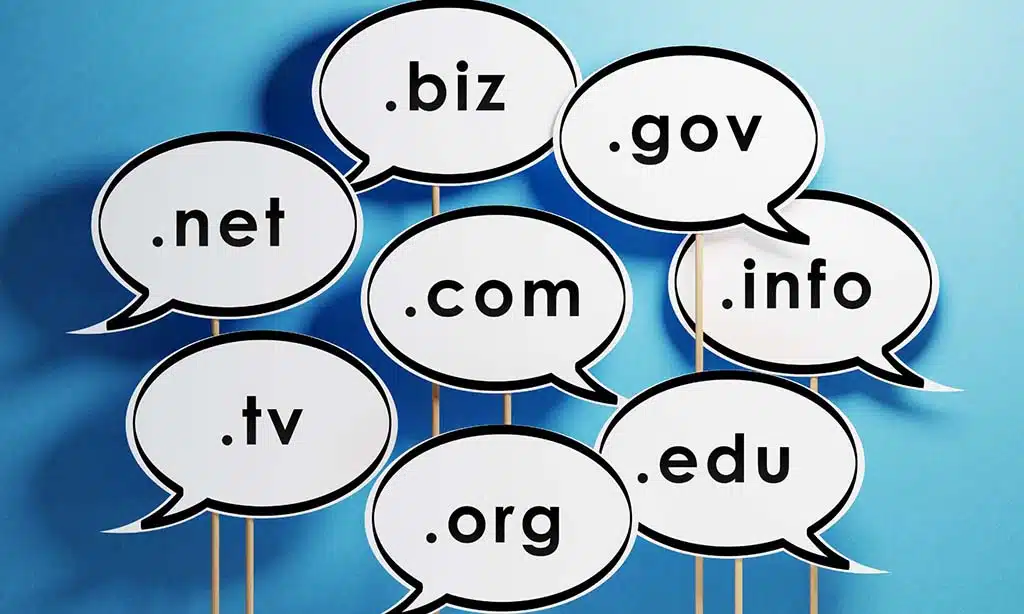
A domain extension (also known as a top-level domain or TLD) is the suffix at the end of a website’s domain name. It appears after the final dot in the web address. For instance, in the domain name “example.com,” the .com part is the domain extension.
There are two main types of domain extensions:
- Generic Top-Level Domains (gTLDs): These are the most common and include extensions like “.com,” “.org,” “.net,” “.edu,” etc.
- Country Code Top-Level Domains (ccTLDs): These are country-specific extensions, such as “.uk” for the United Kingdom, “.ca” for Canada, or “.jp” for Japan.
Over time, the landscape of domain extensions has evolved significantly, with the introduction of new gTLDs. This has allowed for a much wider range of extensions beyond the basic options, providing more flexibility for businesses, organizations, and individuals.
Why Are Domain Extensions Important?
Choosing the right domain extension is crucial because it plays a significant role in your website’s branding, search engine optimization (SEO), and overall user perception. Here are some key reasons why domain extensions are important:
- Brand Identity: The domain extension you choose can contribute to the overall brand image you want to portray.
- SEO Impact: Some domain extensions may have a slight impact on your search engine rankings, especially if they align well with your business.
- Memorability: A well-chosen extension can make your website easier to remember and more appealing to visitors.
- Trust and Credibility: Certain extensions may be associated with trust and professionalism, which can influence the way users perceive your site.
Now that we’ve covered the basics of domain extensions, let’s explore the best use cases for different types of domain extensions.
Types of Domain Extensions and Their Best Use Cases
Let’s get straight into it.
1. .com – The Classic Domain Extension
Best For: Businesses, Personal Websites, Blogs
The .com extension is by far the most popular and recognized TLD globally. This extension is primarily used for commercial purposes, hence its widespread adoption by businesses, personal websites, and blogs alike. Because of its long-standing reputation, .com has become the go-to domain extension for almost every type of website.
Pros:
- Recognized and trusted by most internet users.
- Excellent for brand building due to its familiarity.
- Strong SEO advantages, as .com domains often rank well in search engines.
Cons:
- Due to its popularity, many .com domain names may already be taken, which can make finding the perfect domain challenging.
- Can be more expensive to purchase, especially for premium domains.
Best Use Case:
- If you’re launching a new business, .com is often the safest bet. It’s ideal for companies aiming to build trust and credibility with a wide audience. It’s also perfect for personal websites, blogs, and eCommerce sites targeting a global audience.
2. .org – The Nonprofit and Organization Domain Extension
Best For: Nonprofits, Charities, Educational Institutions, Community Groups
The .org extension is most commonly associated with nonprofits, NGOs, and other types of organizations. Though it was originally intended for organizations operating in the nonprofit sector, many businesses and individuals now use .org as well. However, it’s still primarily seen as a trustworthy extension for charities and community-driven initiatives.
Pros:
- Often associated with credibility, authority, and trustworthiness.
- Ideal for nonprofits, educational institutions, and community groups.
- Free from commercial connotations, making it a great choice for organizations focused on a cause.
Cons:
- Can sometimes be confused with commercial websites, potentially leading to misinterpretation.
- Not as widely recognized as .com, though still trusted in many circles.
Best Use Case:
- If you’re launching a nonprofit organization, .org is the ideal domain extension. It’s perfect for charities, NGOs, and social enterprises aiming to build credibility within the nonprofit sector.
3. .net – The Networking Domain Extension
Best For: Technology Companies, Internet Service Providers, Networking Solutions
Originally intended for network-related organizations, such as Internet Service Providers (ISPs) or companies offering networking solutions, the .net domain extension is still a strong choice for tech-based businesses. While .net is not as popular as .com, it’s still highly regarded and commonly used by many tech companies, startups, and online service providers.
Pros:
- Popular among technology companies and startups.
- Recognized as a solid alternative to .com.
- Ideal for businesses involved in networking, IT services, and online platforms.
Cons:
- Not as widely known as .com, which could affect brand visibility.
- Can be difficult to find an available, meaningful domain.
Best Use Case:
- If you’re in the tech industry, offering networking solutions or SaaS (Software as a Service), .net could be the perfect domain extension. It’s great for companies involved in internet infrastructure, telecommunications, or networking technologies.
4. .edu – The Education Domain Extension
Best For: Educational Institutions, Universities, Schools
The .edu domain extension is a restricted domain intended for accredited educational institutions. This includes universities, colleges, schools, and other recognized academic organizations. The .edu extension carries a great deal of authority, making it ideal for educational websites looking to establish trust with students, faculty, and parents.
Pros:
- A prestigious and authoritative domain extension.
- Adds credibility to educational websites.
- Excellent for universities and schools looking to build a strong online presence.
Cons:
- Available only to accredited educational institutions, making it unavailable for most businesses or individuals.
Best Use Case:
- If you’re an educational institution, .edu is the only domain extension that will provide the credibility and trust you need for your website. It’s perfect for universities, schools, and educational resources.
5. Country Code Top-Level Domains (ccTLDs)
Best For: Businesses Targeting Specific Countries or Regions
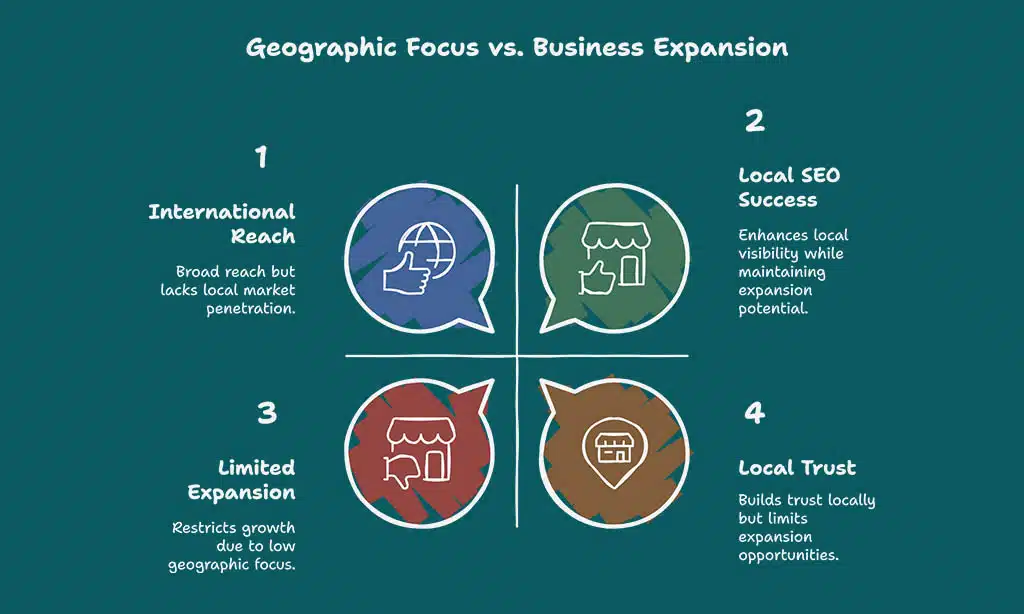
Country code TLDs (ccTLDs) are domain extensions specific to particular countries. Examples include .uk for the United Kingdom, .ca for Canada, and .de for Germany. These domain extensions are useful for businesses and organizations targeting a specific country or region.
Pros:
- Great for businesses focusing on a specific geographic region.
- Can help with local SEO by signaling to search engines the location of your business.
- Offers a sense of trust and legitimacy in the specific country.
Cons:
- May limit your business’s reach if you plan to expand internationally.
- Can create challenges if you decide to target a broader audience in the future.
Best Use Case:
- If you’re running a local business or an organization focused on a particular country, using the respective ccTLD can significantly boost your local visibility and SEO rankings.
6. .co – The Alternative to .com
Best For: Startups, Entrepreneurs, Tech Companies, Global Businesses
The .co domain extension has become a popular alternative to the classic .com. Originally the country code for Colombia, .co has been marketed globally as an abbreviation for “company” or “corporation.” It has gained significant traction among startups, entrepreneurs, and tech companies looking for a short, memorable domain name.
Pros:
- Short and easy to remember.
- Highly recognized, especially in tech and startup circles.
- Great for global businesses that may not have access to a .com domain.
Cons:
- Some users still associate .co with Colombia, though this is becoming less of an issue over time.
- .co domains are often seen as second-best to .com, which might affect trust for some users.
Best Use Case:
- If you’re launching a startup or a global business and .com is already taken, .co could be an excellent choice. It’s perfect for entrepreneurs and small businesses looking for a recognizable and modern domain extension that still conveys professionalism.
7. .tv – The Streaming and Entertainment Domain Extension
Best For: Media, Entertainment, Streaming Platforms, Video Blogs
The .tv domain extension is closely associated with the media, television, and entertainment industries. Originally the country code for Tuvalu, .tv has found a strong following among video content creators, streaming platforms, and media companies. It’s a perfect choice for anyone involved in video production or online content distribution.
Pros:
- Instantly recognizable as being related to television or video.
- Great for businesses in media, entertainment, or live-streaming industries.
- Useful for video bloggers, YouTubers, and online content creators.
Cons:
- May limit your brand perception if your business isn’t in the media or entertainment sectors.
- .tv domains can sometimes be seen as niche, which may impact broader appeal.
Best Use Case:
- If you’re building a video streaming platform, a YouTube channel, or any media-focused business, .tv will make your domain stand out as a video-centric brand. It’s perfect for those in the entertainment and video content industries.
8. .me – The Personal Branding Domain Extension
Best For: Personal Blogs, Portfolios, CV Websites, Creatives
The .me domain extension has become a favorite for individuals looking to create personal websites, blogs, or online portfolios. It’s particularly popular with freelancers, creatives, and personal brands who want to build an online presence that stands out.
Pros:
- Perfect for personal branding and portfolio websites.
- Short, memorable, and easy to market.
- Popular with professionals in the creative industries, such as writers, designers, and photographers.
Cons:
- May not be suitable for businesses that need to establish a corporate or professional image.
- Could be confused with the concept of “me” or “myself,” which might detract from the brand’s authority for some users.
Best Use Case:
- If you’re a freelancer, artist, or entrepreneur looking to establish a personal brand, .me is an excellent domain extension. It’s perfect for portfolios, CV websites, personal blogs, and even personal business ventures.
9. .biz – The Business-Oriented Domain Extension
Best For: Small Businesses, eCommerce Websites, Online Services
The .biz domain extension was specifically created as an alternative to .com for businesses. It’s intended for small businesses, especially those operating online, and is a popular choice for eCommerce websites and online service providers.
Pros:
- Directly communicates the business nature of the site.
- A good alternative when .com is already taken.
- Often more affordable than .com domains.
Cons:
- .biz is not as widely recognized as .com, and some users might perceive it as less trustworthy.
- The extension may seem too generic or “less professional” compared to more popular options.
Best Use Case:
- If you run a small business, online store, or provide digital services, .biz could be the right choice for your domain. It’s a cost-effective and clear option for anyone looking to communicate that their website is business-focused.
10. .app – The Perfect Domain Extension for Mobile and Web Apps
Best For: App Developers, Tech Companies, Mobile Applications, SaaS
The .app domain extension is specifically designed for businesses or individuals in the tech industry, particularly for developers and companies that create web or mobile applications. Managed by Google, .app is a secure domain extension, meaning all websites using it must have an SSL certificate, which improves security.
Pros:
- Specifically tailored for app developers and companies in the tech space.
- Provides a secure and trustworthy domain extension due to the SSL requirement.
- Great for SaaS (Software as a Service) businesses, app developers, and tech startups.
Cons:
- Limited to businesses or projects related to mobile apps, web apps, or software, which may limit broader appeal.
- Requires SSL certification, which may be an added cost for some website owners.
Best Use Case:
- If you’re developing a mobile app, web-based application, or SaaS product, .app is the perfect domain extension to convey your focus on technology and innovation. It’s also an excellent choice for any company that provides a tech-focused solution to users.
Wrap Up: Making the Right Choice
As we’ve explored in this article, choosing the right domain extension plays an essential role in shaping your brand identity, SEO performance, and the trustworthiness of your website. From traditional domain extensions like .com and .org to newer, more specialized options like .ai and .app, each domain extension serves a unique purpose and can help convey your website’s message more clearly.
When deciding on a domain extension, keep these factors in mind:
- Branding: Ensure the extension aligns with your company or personal brand.
- Target Audience: Consider how your audience will perceive your domain extension. Choose one that builds trust and recognition.
- SEO: Certain extensions may provide a slight edge in search engine optimization, especially when they are highly relevant to your business or geographic location.
- Future Growth: Think about how the domain extension will align with your growth goals. Will it allow you to expand your brand or business into new territories?
By taking the time to understand the best use cases for each domain extension, you’ll be better positioned to select the one that will help you achieve your online objectives.
Remember, the right domain extension can set the tone for your entire online presence. Whether you’re running a local business, launching an innovative tech startup, or building your personal brand, choosing the right domain extension is key to establishing a strong, credible online identity.
Good luck with your domain search, and may your website thrive in the digital world!
























