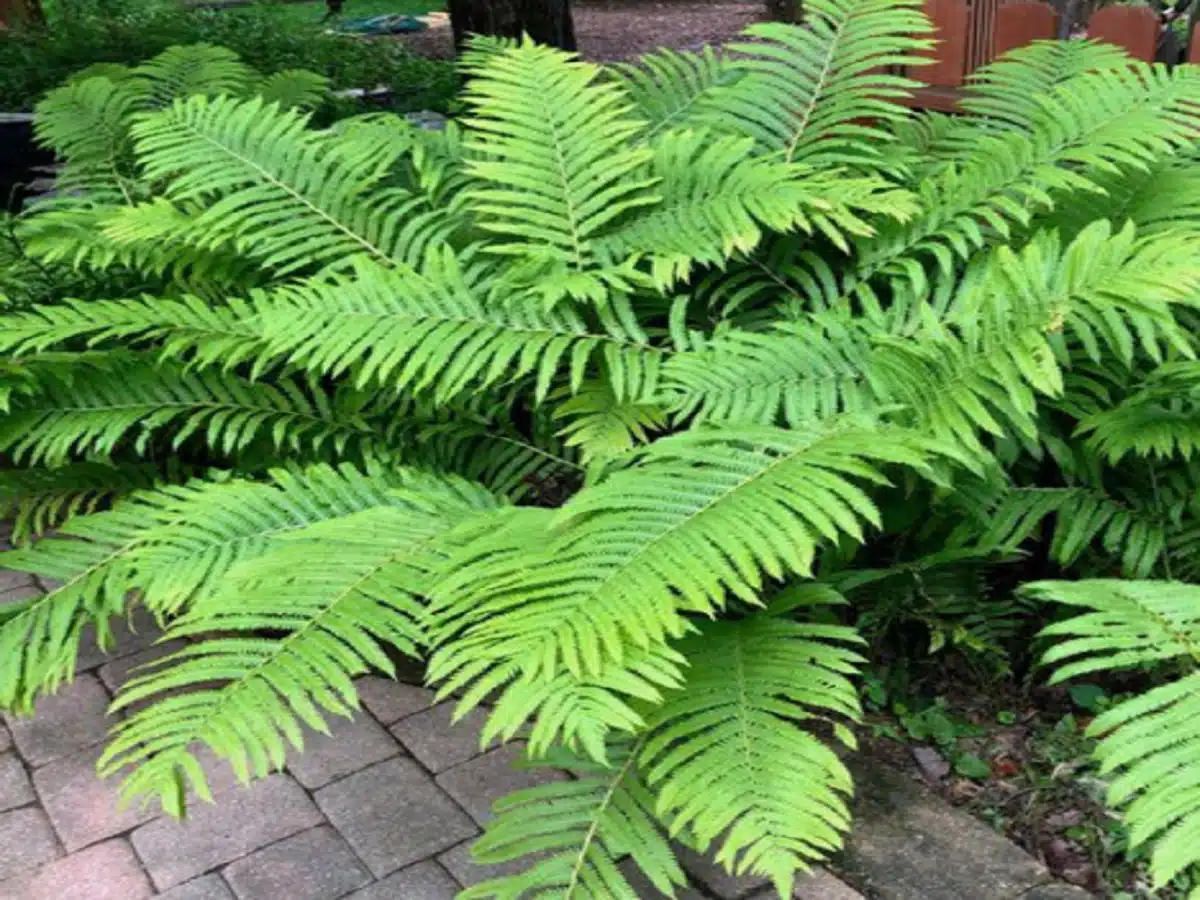
Are you looking for a way to transform your outdoor living space into an oasis of lushness without overtaxing your wallet? Native ferns are the perfect solution! With minimal maintenance, lush foliage, and striking forms and textures, native ferns create a beautiful border sanctuary any time of year.
This article will explore how these plants thrive in our area, what types make great borders, provide guidelines on choice placement next to your home or patio space, and discuss the beneficial natural elements they offer. Read on for more!
What are native Ferns?
Native ferns are a special and versatile addition to any landscape. Native ferns can thrive in shady or sun-filled spots, making them an optimal choice for outdoor space. They provide brilliant shades of green ranging from dark evergreens to lively yellows that add their form of visual appeal to the environment.
What is a border sanctuary, and why would you want one in your garden?
A border sanctuary is an area of your garden dedicated to helping pollinators such as butterflies, moths, and bees! With careful selection of plants, you can provide an oasis for these important creatures whose populations are in decline due to human activity.
A border sanctuary can offer them a much-needed food source throughout the year, allowing a more diverse range of species to visit your garden. Not only will this enrich your environment – herbaceous borders overflowing with colorful blooms and mesmerizing fluttering insects – it will also help support the wider ecosystem by supplying nectar and pollen to hungry insects.
Planning is paramount; anything from positioning the sanctuary strategically in a sunny spot to considering which plants are bee-friendly can make all the difference. Make sure you add some hedgerow plants for nesting sites and to link up other areas of wildlife growth! There’s so much that can be done when creating a border sanctuary – it’s worth taking some time to get it right!
How to choose suitable native ferns for your border sanctuary?
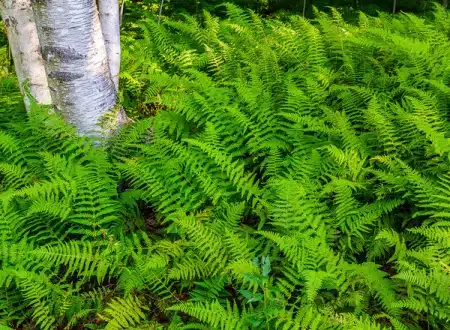
When deciding which native ferns to include in your border sanctuary, there are a few factors to keep in mind:
- Consider the amount of sunlight that certain ferns require. You’ll have to choose whether you want ferns that need bright light or shade; this will significantly narrow down the long list of options.
- Think about where you’d like to place the fern in relation to other species, as many ferns prefer specific conditions for optimum growth.
- Pay attention to moisture levels and soil pH balance since many varieties of ferns are very sensitive and require excellent soil drainage and water management.
Once you’ve considered all of these elements, you’ll be able to choose the perfect variety for creating a healthy and diverse border sanctuary!
Creating a border sanctuary with native ferns is an exciting way not just to improve the appearance of your outdoor space but also to make a positive impact on the environment. Working with what nature gave you, these beautiful and delicate ferns thrive in the sun and shade.
Before planting any plant, especially ferns, you should first understand when fertilizing will help and when it can harm you. It is essential to select an organic fertilizer that won’t disrupt the natural balance found in your soil. As you work on creating your sanctuary, research for types of ferns that are native to your area; this will make sure the plants you use seem at home in their new environment and minimize effort in maintaining them once planted.
How to care for your native ferns, so they thrive
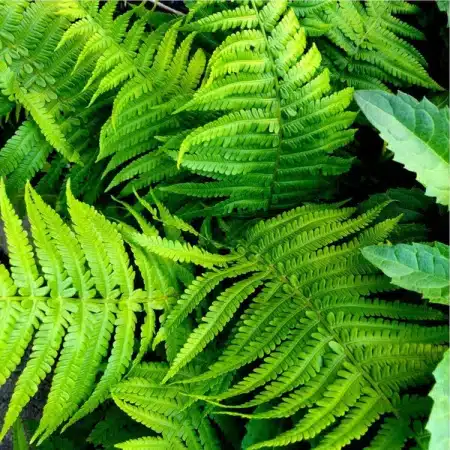
Growing native ferns in the garden is a beautiful way to add beauty and texture while helping preserve our natural heritage. To help your ferns thrive, ensure they are planted in moist, well-drained soil, preferably in a shaded area that receives filtered sunlight. In warm climates, it may be necessary to mist the plants with water several times a day to provide enough hydration; while more temperate climates may only require occasional watering.
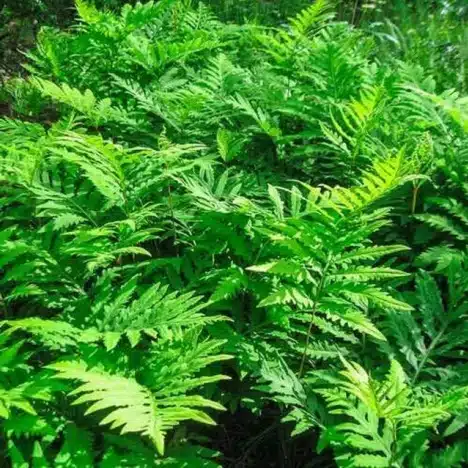
Additionally, remember your regular pruning and upkeep by occasionally removing dead fronds to keep your ferns looking healthy and lush! Incorporating native ferns into the garden is an excellent way to enjoy gorgeous foliage without putting too much micromanagement into the process – supply those basic needs and watch your pretty hardy plants flourish!
What to do if you live in an area that doesn’t have ideal conditions for growing native ferns?
If you live in an area that doesn’t provide ideal conditions for growing native ferns, don’t despair! There are plenty of options to help you create a welcoming and thriving home for your favorite
varieties. Firstly, take time to research the needs of different types of ferns, like temperature and humidity requirements.
Make use of artificial means, like fans and humidifiers, allowing for better air circulation and moisture to create a controlled atmosphere. Location is key: look for sunny spots with indirect light and areas with enough atmosphere to fill your space with the perfect environment for fern growth. And lastly, don’t be afraid to experiment and get creative! With the proper knowledge and dedication, you can create beautiful little oases of green no matter where you live.
Examples of beautiful border sanctuaries with native ferns
Those looking for a magical outdoor experience can find no better place than beautiful border sanctuaries with native ferns. These sanctuaries are full of nature’s awe-inspiring beauty, from lush forests to rugged cliffs. At times one can feel as if they have stepped back in time and entered an era lost in history.
These exotic landscapes, sparsely populated with native ferns, are often havens for biodiversity, with rare species finding home within their bounds. The sounds of the wind swaying through the plants and birds singing from the branches help visitors connect to the natural world without sacrificing the convenience of modern comforts.
Exploring these diverse and resplendent sanctuaries gives hikers and botanists the opportunity to be immersed in raw nature’s beauty.