


Businesses that use integrated LMS for sale teams report an onboarding process that is 60% faster. This is often associated with higher levels of engagement from new workers and paves the way for long-term success. From this perspective, the traditional approach pales compared to the latest technological achievements.
What Is Continuous Learning Culture?
At its core, it transforms an organization into an environment where knowledge sharing and skill development become second nature. It’s easier to understand it if you think about it as if you are creating an ecosystem for your people where learning opportunities naturally surround them. The idea of learning culture is to bring these opportunities only a single step away from people and make them as easy as taking a phone and opening Instagram. But, this time, instead of doomscrolling, they will get a chance to learn something new and actually spend their time with benefit.
When you take this approach seriously and turn it into a system, it will eventually become a learning culture in your company. This culture manifests when team members actively seek out new knowledge, share insights with colleagues, and view challenges as opportunities for growth.
How LMS Encourages Lifelong Learning?
The implementation of an LMS onboarding system marks the beginning of an employee’s learning journey. So, it must be seamless, quick, convenient, and efficient. Modern LMS platforms create personalized learning experiences that adapt to individual needs and preferences. Their interfaces may vary depending on the service provider, but generally, you can imagine a Netflix-like interface. Your workers will use it for relevant courses based on their roles, interests, and previous learning patterns. This personalization ensures that learning becomes an organic part of daily work life, rather than a mandatory task to check off.
Where LMS Fits in Organizational Onboarding?
The most important thing to remember is that the right LMS transforms the traditional orientation process into an engaging journey of discovery. The simplest example is that your new hires will explore company culture, processes, and role-specific training at their own pace. At the same time, you can guarantee that the system will maintain consistent quality across all locations and departments.
Building Learning Paths for Continuous Development
The highly visible structure, in combination with flexibility, allows people to visualize their growing trajectories. In turn, it helps with self-motivation. These paths act as roadmaps, guiding learners through progressively challenging content while maintaining engagement. Each path connects to specific career outcomes, making the learning process purposeful and aligned with both individual and organizational goals.
Gamification: How It Drives Engagement in Ongoing Learning
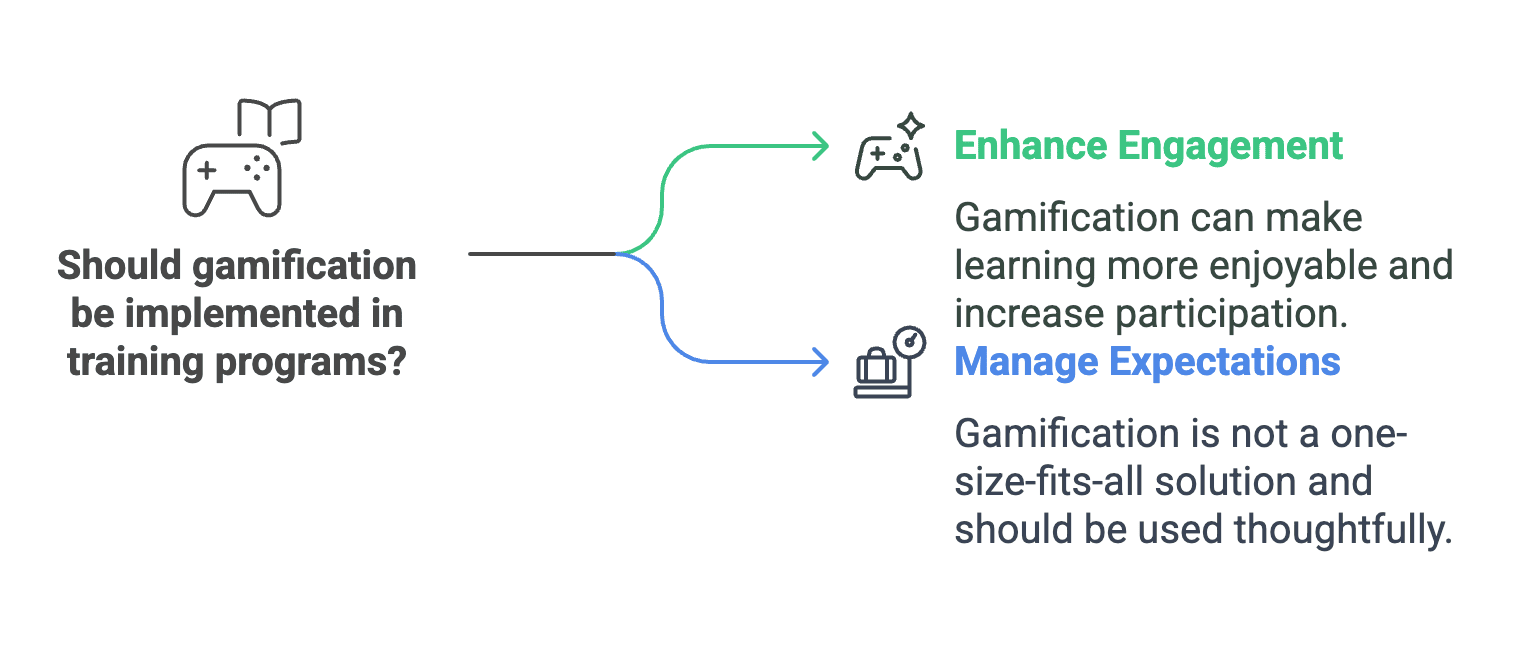
Employee engagement soars when learning feels less like work and more like play. Too many articles and way too often present gamification as a perfect solution for all the problems, but it’s not that simple. Gamification elements such as achievement badges, progress bars, and friendly competition can transform routine training into exciting challenges. However, don’t expect this to be some magic because it’s not. A simple progress tracker can motivate learners to complete courses, much like how fitness apps encourage users to meet their daily exercise goals. However, it is crucial to implement it correctly and have reasonable expectations.
Leveraging LMS Analytics for Continuous Improvement
Analytics in training provides invaluable insights into learning effectiveness. Modern LMS platforms offer detailed metrics on course completion rates, assessment scores, and engagement levels. This data enables organizations to refine their training programs continuously, identify knowledge gaps, and predict future learning needs before they become critical.
How LMS Supports Upskilling and Reskilling?
An Upskilling LMS serves as the backbone for workforce development initiatives. Such a platform enables organizations to rapidly deploy new training modules in response to emerging skills gaps or technological changes.
After fine-tuning, the system can identify skill deficiencies through assessments and automatically recommend relevant courses, creating a proactive approach to professional development. Continuous efforts are the real key to success in this case. So, don’t stop improving your learning materials.
Overcoming Barriers to Continuous Learning with LMS
Lack of motivation, time constraints, and restricted access to resources are common barriers to learning. A well-executed LMS addresses these issues by providing just-in-time training materials, micro-learning courses, and mobile learning choices. Because of this flexibility, learning can take place anytime and anywhere. This level of flexibility is one of the main pillars of continuous learning.
Wrapping up
Using LMS-based onboarding for building learning culture is fully about changing how businesses approach employee development, not just introducing new technology. This strategy, when implemented correctly, produces an environment of development, innovation, and interest to learning that can sustain itself. The secret is to see the LMS as a catalyst for corporate change rather than merely a training instrument.
Organizations that can swiftly adjust and equip their staff with the appropriate skills at the appropriate moment are essential in the workplace of the future. Businesses put themselves in a position to prosper in a dynamic and more competitive business climate by adopting LMS-based continuous learning.
























