

In a matter of days, OpenAI’s newest innovation, ChatGPT-4o, has triggered an unprecedented surge in user activity—thanks in large part to one viral trend: Studio Ghibli-style image generation.
After the release of the ChatGPT-4o model last week, users discovered its powerful new image creation capabilities and began generating breathtaking visuals that mimic the iconic animation style of the legendary Japanese studio, Studio Ghibli. These AI-generated images resemble the hand-drawn look and whimsical storytelling feel of Hayao Miyazaki’s work, the studio’s acclaimed co-founder and director.
The trend caught on like wildfire across social media platforms, captivating global audiences and inspiring thousands of users to create and share their own Ghibli-style digital art. So overwhelming was the response that OpenAI’s CEO, Sam Altman, not only acknowledged the trend—he joined in, changing his own X (formerly Twitter) profile picture to a Ghibli-style image of himself.
Demand Outpaces Expectations—By a Mile
Altman admitted that even OpenAI’s internal projections, which were already high, vastly underestimated how popular the image generation feature would become. On March 26—just a single day after the model’s release—Altman posted on X:
“Wayyyy more popular than we expected (and we had pretty high expectations).”
At first, the image generation tool was available only to paid users, but due to its popularity, OpenAI quickly expanded access to all users, including those on the free tier. However, the excitement soon spiraled into chaos. Altman followed up with another message, reflecting the strain on OpenAI’s technical team:
“Can yall please chill on generating images—this is insane. Our team needs sleep.”
Record-Breaking Growth: One Million Users in One Hour
The viral appeal of Ghibli-style images, combined with the wider release of ChatGPT-4o to free users, created a perfect storm of growth for OpenAI. On Monday, Altman shared a jaw-dropping stat: ChatGPT had gained one million users in a single hour. To put that in perspective, when ChatGPT first launched in late 2022, it took five days to reach the same milestone.
Data from SensorTower, a market intelligence firm, confirms that ChatGPT’s performance during the week of March 24 was historic. In just that one week:
- App downloads increased by 11%
- Weekly active users rose by 5%
- Revenue from subscriptions and in-app purchases climbed by 6%
Even more impressive: Compared to the same week in 2024, app downloads and in-app purchase revenue are up over 500% year-over-year.
Additionally, research firm Similarweb reports that ChatGPT’s web traffic in March broke a new record: over 4 billion visits in just the first 28 days of the month—making it the platform’s busiest period ever.
OpenAI’s Systems Strained to the Limit
But all this viral success has come at a cost.
As user demand soared, OpenAI’s infrastructure buckled under the pressure. According to Altman, the surge in image generation requests pushed the company’s computing capacity—particularly GPU (graphics processing unit) resources—past its limit. He candidly shared the impact on X:
“Our GPUs are melting… We’re going to temporarily introduce some rate limits while we work on making it more efficient.”
In other words, OpenAI had to start restricting how many images users could generate, even when those requests were valid. Altman added that the company was “refusing some generations that should be allowed,” but stressed that engineers were working to restore full functionality as quickly as possible.
On Tuesday, Altman issued a further caution:
“We are getting things under control, but you should expect new releases from OpenAI to be delayed, stuff to break, and for service to sometimes be slow as we deal with capacity challenges.”
He even made a public plea to any organizations that might have available GPUs:
“If anyone has GPU capacity in 100k chunks we can get ASAP, please call!”
The Studio Ghibli Effect: Why This Trend Took Off
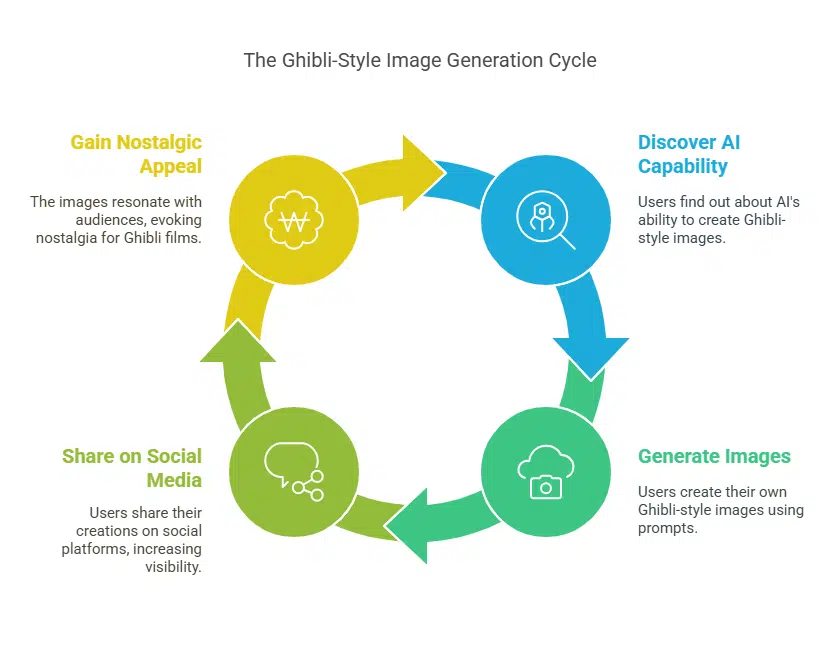
What made the Studio Ghibli-style image generation so compelling?
The beloved animation studio is known for its richly detailed, emotionally resonant visuals—think Spirited Away, My Neighbor Totoro, and Princess Mononoke. When users discovered that ChatGPT-4o could recreate this look with remarkable fidelity, the appeal became obvious. Suddenly, anyone could generate their own Ghibli-style dreamscapes with a simple prompt.
These AI-generated visuals resonate with a nostalgic audience, many of whom grew up watching Ghibli films or admire Miyazaki’s artistic legacy. The trend effectively merged nostalgia, cutting-edge AI, and social media virality—a recipe for explosive growth.
Broader Impacts: Business, GPUs, and Sustainability Concerns
The massive usage surge has ripple effects beyond OpenAI. Microsoft, which provides the bulk of OpenAI’s cloud computing power through Azure and is a major investor, is poised to benefit significantly from this demand spike.
Analysts suggest that the companies that manufacture GPUs—especially Nvidia, AMD, and Intel—may also see increased demand. Altman’s public appeal for GPUs in “100k chunks” shows just how acute the shortage has become.
But the trend has raised serious questions about sustainability as well. AI models like ChatGPT rely on massive data centers, which require substantial energy for both processing and cooling. With usage surging into the billions of requests per month, some critics have raised environmental concerns about the long-term viability of such AI services.
Legal Gray Areas: Copyright and Creative Boundaries
Another issue gaining attention is the legal and ethical concern around AI-generated art that mimics the style of specific artists or studios. While the images themselves are new creations, Studio Ghibli’s style is a protected form of intellectual property. As yet, the studio’s North American distributor, GKIDS, has not commented on the use of their artistic likeness in AI tools.
This raises broader questions about the line between homage and imitation in the age of generative AI. Will creators like Miyazaki have legal recourse if AI-generated art imitates their styles too closely? Or will this blur the boundaries of authorship and copyright further?
What’s Next for OpenAI and ChatGPT?
Despite the challenges, OpenAI’s rapid user growth underscores the massive public appetite for creative AI tools. The success of the Ghibli-style image generator is more than a fleeting trend—it represents a new direction for generative AI where artistry and accessibility meet.
However, OpenAI will need to address the operational and ethical issues that accompany such explosive success. The coming weeks will test its ability to scale infrastructure, uphold service quality, and navigate tricky legal terrain—all while continuing to innovate at breakneck speed.





















