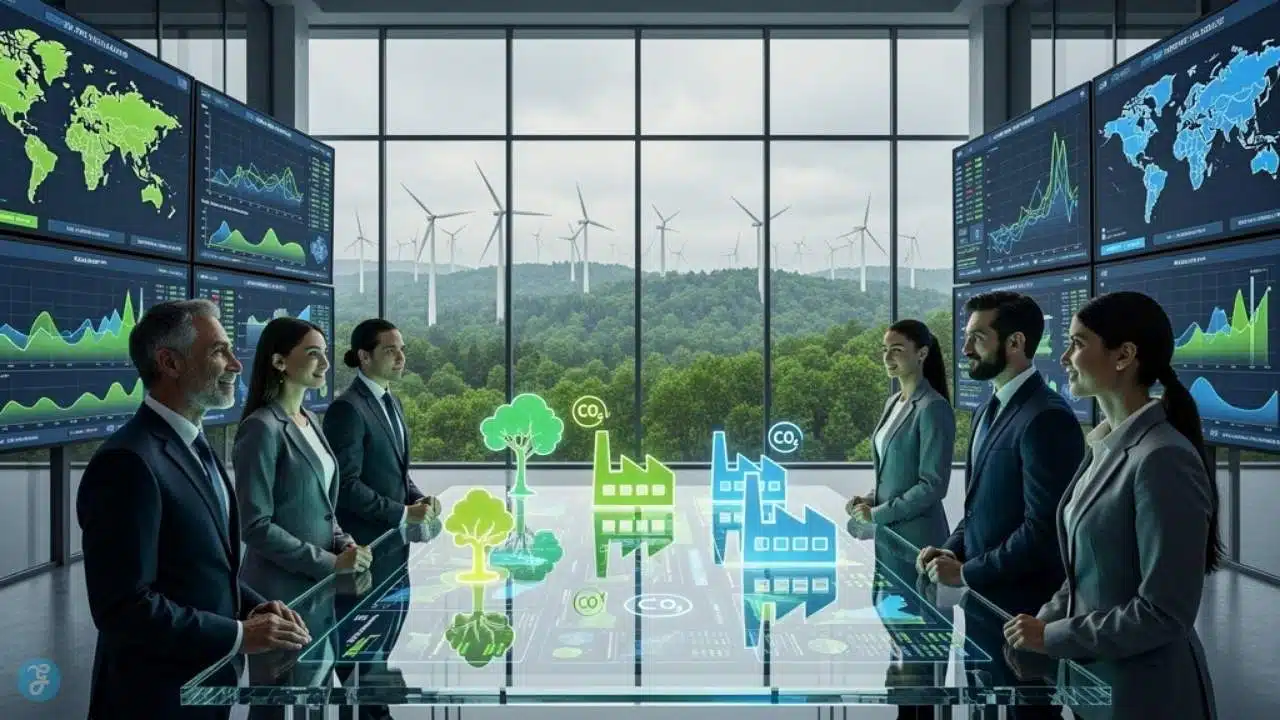
Carbon credits in 2026 are no longer a simple “pay to offset” tool. The market has become more cautious, more technical, and much harder to navigate. Companies still buy credits to support climate goals, but the old habit of buying cheap offsets and calling a business “carbon neutral” is becoming harder to defend.
The main reason is trust. Buyers, regulators, investors, and consumers now ask tougher questions. Did the project really reduce or remove carbon? Would the project have happened without carbon finance? How long will the carbon stay out of the atmosphere? Who verified it? Can the company make a public claim without being accused of greenwashing?
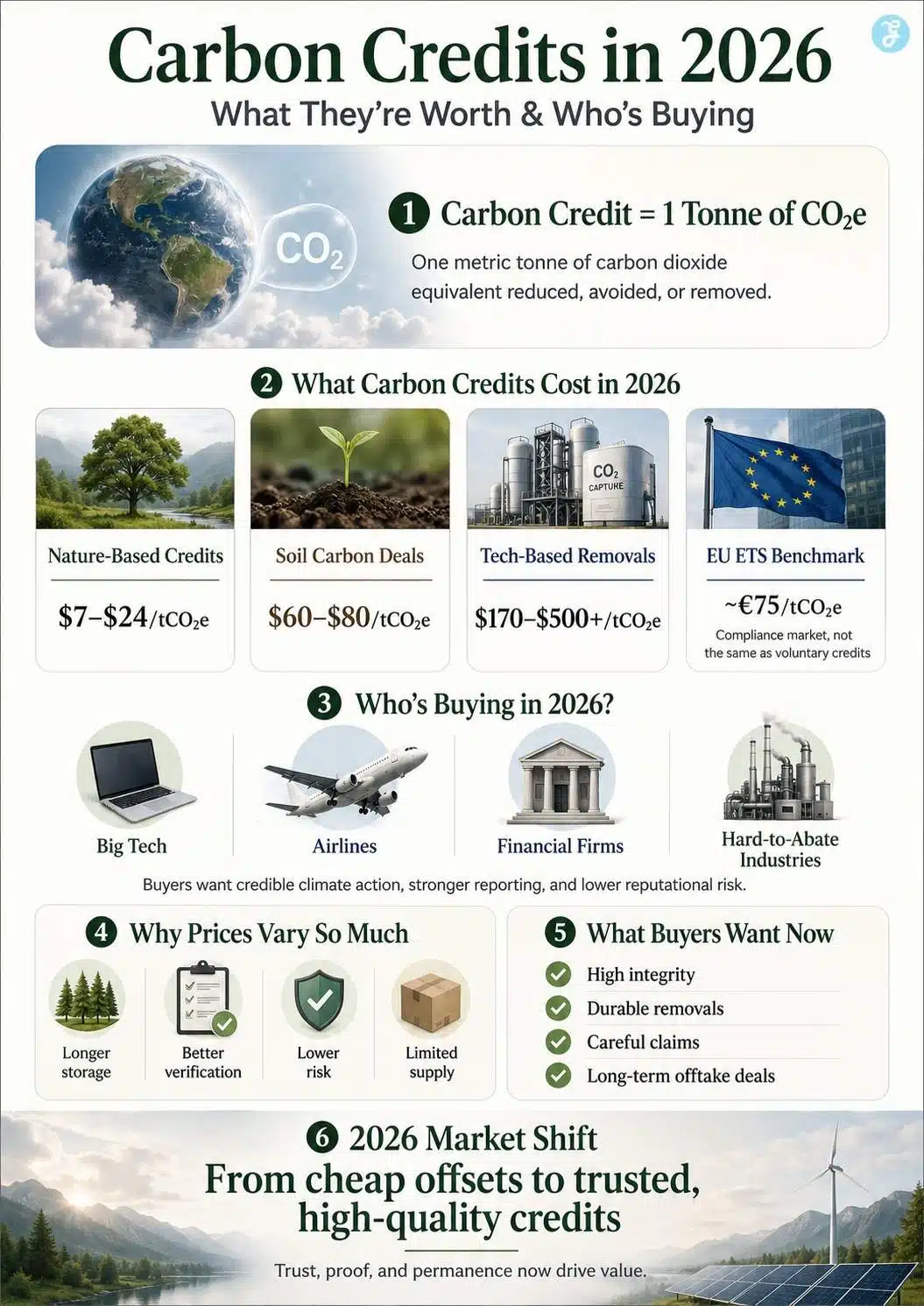
That is why prices now vary so widely. A basic nature-based credit may cost less than $25 per tonne. A durable technology-based carbon removal credit can cost hundreds of dollars per tonne. The difference is not just branding. It comes down to durability, measurement, project risk, and credibility. Sylvera’s 2026 pricing summary says nature-based credits average around $7–$24 per tonne of CO₂e, while technology-based carbon removal credits can exceed $170–$500 per tonne.
For businesses, the lesson is clear. Carbon credits still matter, but they cannot replace real emissions cuts. They work best when used carefully, transparently, and only for emissions that are difficult to remove immediately.
What Is a Carbon Credit?
A carbon credit usually represents one metric tonne of carbon dioxide equivalent, or CO₂e, that has been reduced, avoided, or removed from the atmosphere. That sounds simple, but the market has several types of credits.
Some credits come from avoidance projects. These projects try to prevent emissions from happening. Examples include forest protection, clean cooking, methane capture, and renewable energy projects in certain markets. Some credits come from reduction projects. These lower emissions are from an existing process.
Others come from removal projects. These take carbon dioxide out of the atmosphere and store it. Examples include reforestation, soil carbon, biochar, enhanced rock weathering, direct air capture, and carbon storage in geological formations.
The value of a credit depends on several things:
| Factor | Why It Matters |
| Additionality | Shows whether the climate benefit would have happened without carbon finance |
| Permanence | Measures how long the carbon stays stored |
| Verification | Confirms that the project data is checked by a credible third party |
| Leakage risk | Checks whether emissions simply move somewhere else |
| Reversal risk | Important for forests, soils, and other natural systems |
| Buyer demand | High-demand credit types can command premium prices |
| Regulatory fit | Credits aligned with accepted standards may be easier to defend |
A cheap carbon credit is not automatically bad. An expensive one is not automatically good. But in 2026, buyers are paying much more attention to proof.
Why Carbon Credits in 2026 Look Different
The voluntary carbon market has not become fully regulated, but it has become more disciplined. The better way to describe the 2026 market is this: buyers are more selective, weak credits are under pressure, and high-integrity credits are harder to source.
Carbon Direct says voluntary carbon credit retirements fell by 7% in 2025, even as corporate climate commitments rose sharply. It also notes that carbon dioxide removal remains a small but important part of the market, accounting for only 5% of credits retired in 2025.
This tells us something important. Many companies have made climate promises, but fewer are turning those promises into credible carbon credit purchases. Some are waiting for clearer rules. Some fear greenwashing criticism. Others are struggling to find credits that meet their internal quality standards. The market is also splitting into two layers.
The first layer is the lower-cost, high-volume market. This includes many older avoidance and reduction credits. Some still have value, especially when they are well-designed and independently verified. But weak projects with poor baselines, unclear community benefits, or doubtful additionality are harder to sell.
The second layer is the premium market. This includes durable carbon removal credits, high-quality nature-based removals, and credits that align with stronger integrity frameworks. These credits are more expensive because buyers believe they carry lower reputational and climate-risk exposure.
What Are Carbon Credits Worth in 2026?
There is no single price for a carbon credit in 2026. Price depends on project type, quality, geography, verification standard, buyer demand, and whether the credit is already issued or promised through a future offtake agreement.
Here is a realistic 2026 pricing guide:
| Credit Type | Indicative 2026 Price Range | Notes |
| Lower-cost avoidance or reduction credits | Often low single digits to teens | Quality varies widely; weak credits face scrutiny |
| Nature-based credits | Around $7–$24/tCO₂e on average | Includes forestry, land use, and ecosystem-linked credits |
| Soil and regenerative agriculture credits | Can reach $60–$80/tCO₂e in major deals | Microsoft’s Indigo Carbon deal was reported in this range |
| Technology-based carbon removal | Often above $170–$500/tCO₂e | Includes durable removals such as biochar, mineralization, and some engineered pathways |
| Early-stage direct air capture | Can be higher than broader tech-CDR averages | Expensive because of energy, infrastructure, and scale-up costs |
| EU ETS allowances | Around €75/tCO₂e in mid-May 2026 | Compliance allowance, not a voluntary credit |
Microsoft’s 2026 deal with Indigo Carbon is a useful example of the premium being paid for measurable soil carbon. Reuters reported the 12-year agreement covered 2.85 million soil carbon credits, with typical pricing estimated at $60–$80 per tonne.
It is also important not to confuse voluntary credits with compliance allowances. For example, EU carbon permits traded at €75.60 on May 15, 2026, but those are EU ETS compliance instruments, not the same thing as voluntary carbon credits.
Why Durable Carbon Removal Costs More
Durable carbon removal is expensive because it tries to solve a harder problem. It does not simply avoid future emissions. It removes existing carbon dioxide from the atmosphere and stores it for a long time.
That is why buyers pay more for technologies such as biochar, mineralization, enhanced weathering, biomass storage, and direct air capture. These methods are still developing, but they offer something many corporate buyers want: clearer measurement and longer storage.
Biochar is one of the most active durable removal pathways. It is made by heating organic waste in a low-oxygen environment. The process turns biomass into a stable carbon-rich material that can store carbon for decades to centuries, depending on conditions and methodology.
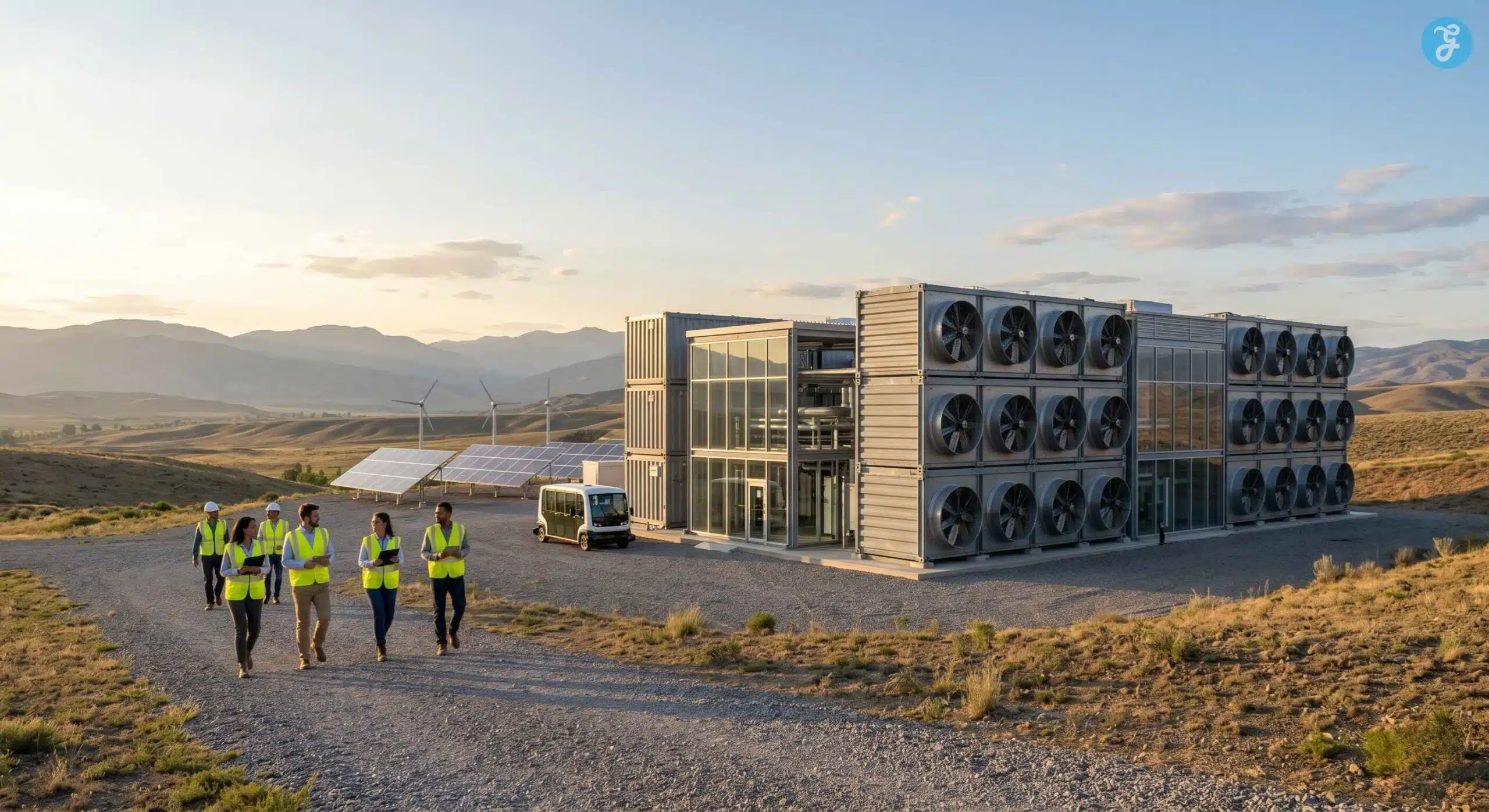
Direct air capture is more expensive. It uses machines to pull CO₂ directly from the air. The captured carbon can then be stored underground or used in products. It is attractive for net-zero strategies because it is highly measurable, but it still needs a huge investment to scale.
The durable carbon removal market is still small compared with the wider offset market. CDR.fyi reported that, as of April 13, 2026, Microsoft accounted for 36.4 million tonnes, or 78.5% of total disclosed durable carbon removal tonnes contracted. Frontier-linked buyers accounted for 4%, while all other buyers made up 17.5%.
That concentration creates both confidence and risk. Big buyers can help build the market. But if too much demand depends on a small group of companies, the market remains fragile.
Who Is Buying Carbon Credits in 2026?
The biggest buyers in 2026 are not casual offset buyers. They are companies with climate targets, public scrutiny, and hard-to-abate emissions.
1. Big Tech Companies
Technology companies are among the most visible buyers, especially for durable carbon removal. Microsoft, Google, Amazon, Stripe-linked Frontier buyers, and other tech-linked buyers are helping shape the market.
One reason is AI and data center growth. As electricity demand rises, tech companies face pressure to show how they will manage their climate footprint. Reuters reported that Big Tech-led demand helped create a supply crunch for high-quality carbon removal credits, with durable removals purchased rising from 8 million tonnes in 2024 to 25 million tonnes in 2025, while issued credits remained below 1 million tonnes.
2. Airlines And Aviation Buyers
Aviation is another important buyer group because of CORSIA, the Carbon Offsetting and Reduction Scheme for International Aviation.
CORSIA is not the same as the voluntary market. It is a global market-based scheme for international aviation. During the pilot phase and first phase, from 2021 to 2026, offsetting requirements apply only to flights between states that voluntarily participate. The second phase, from 2027 to 2035, applies more broadly to ICAO contracting states, with exemptions. EASA says participation rose from 88 states in 2021 to 130 in 2026.
So, in 2026, it is accurate to say airlines are already an important demand source. But it is not accurate to say CORSIA is fully mandatory worldwide until 2027.
3. Financial Institutions And Professional Services Firms
Banks, consultants, asset managers, and professional services firms are buying carbon credits for their own climate targets and client-facing sustainability strategies. These buyers tend to care about auditability because their reputational risk is high.
They are also interested in market intelligence, ratings, and long-term procurement because carbon credits are no longer just a sustainability expense. For some firms, they are part of climate risk management.
4. Industrial And Hard-To-Abate Companies
Cement, steel, aviation, shipping, chemicals, and energy-linked businesses are also interested in carbon credits. These sectors cannot remove all emissions overnight. They still need direct decarbonization first, but high-quality credits may help address residual emissions over time.
5. Companies Preparing For Stricter Claims Rules
In the EU, sustainability claims are becoming riskier when they are vague or based only on offsetting. Directive (EU) 2024/825 is part of the EU’s push to protect consumers from misleading green claims and improve information around environmental claims.
This does not mean every company will stop buying credits. It means they must be more careful about what they say after buying them. “We supported verified climate projects” is safer than “this product is carbon neutral” if the claim depends only on offsets.
The Role of ICVCM, VCMI And SBTi
Three frameworks matter a lot in 2026: ICVCM, VCMI, and SBTi. The Integrity Council for the Voluntary Carbon Market, or ICVCM, created the Core Carbon Principles. These are ten science-based principles designed to identify high-quality carbon credits that create real and verifiable climate impact.
The CCP label is not a legal requirement. It is better described as a quality benchmark. Many buyers use it as a filter, but it is not accurate to say every major buyer must use only CCP-labeled credits.
The Voluntary Carbon Markets Integrity Initiative, or VCMI, focuses more on claims. Its Claims Code allows companies to make Carbon Integrity Claims when they use high-quality credits above and beyond science-aligned emissions cuts.
The Science Based Targets initiative, or SBTi, focuses on corporate climate targets. Its Corporate Net-Zero Standard says companies must prioritize rapid and deep emissions cuts, and long-term targets should involve cutting more than 90% of emissions before 2050.
Together, these frameworks send one message: carbon credits should support climate action, not replace emissions reduction.
Article 6 And The Changing Global Carbon Market
Article 6 of the Paris Agreement is important because it gives countries a framework for cooperating on emissions reductions and carbon markets.
Article 6.2 provides accounting and reporting guidance for internationally transferred mitigation outcomes, known as ITMOs. Article 6.4 establishes a UNFCCC mechanism that can be used to trade high-quality carbon credits. Article 6.8 covers non-market cooperation.
The careful wording matters. It is not accurate to say Article 6.4 alone “formalized ITMOs.” ITMOs belong mainly to Article 6.2 accounting. Article 6.4 is the UN-backed crediting mechanism.
After COP29 and COP30, the Article 6 market has more momentum, but it is not free from uncertainty. Reuters reported that COP30 created renewed attention around carbon markets, but challenges remain around quality, permanence rules, and the balance between carbon removals and avoidance.
For corporate buyers, Article 6 matters because it affects double-counting, host-country authorization, corresponding adjustments, and whether a credit can be used toward certain claims or compliance purposes.
Avoidance Credits Are Not Dead, But They Need Better Proof
Some people now speak as if only carbon removal matters. That is too simple. Avoidance credits can still support important climate work. Forest protection, clean cooking, methane reduction, and other projects can deliver real benefits when designed properly. They may also support biodiversity, health, livelihoods, and climate finance in developing countries.
The problem is not avoidance itself. The problem is weak accounting. For example, avoided deforestation projects can be difficult to measure. A project must prove what would have happened without the project. It also needs to show that deforestation was not simply pushed to another location. If baselines are inflated, the project may issue more credits than it should.
That is why buyers now ask tougher questions:
- Is the baseline realistic?
- Is the project additional?
- Who owns the carbon rights?
- Are local communities properly involved?
- Is the project vulnerable to reversal?
- Has the methodology been updated?
- Is the credit eligible under a credible standard?
This is where the market has improved. Good avoidance credits can still have a place. But weak credits are becoming harder to defend in a public climate claim.
Why Offtake Agreements Are Becoming Popular
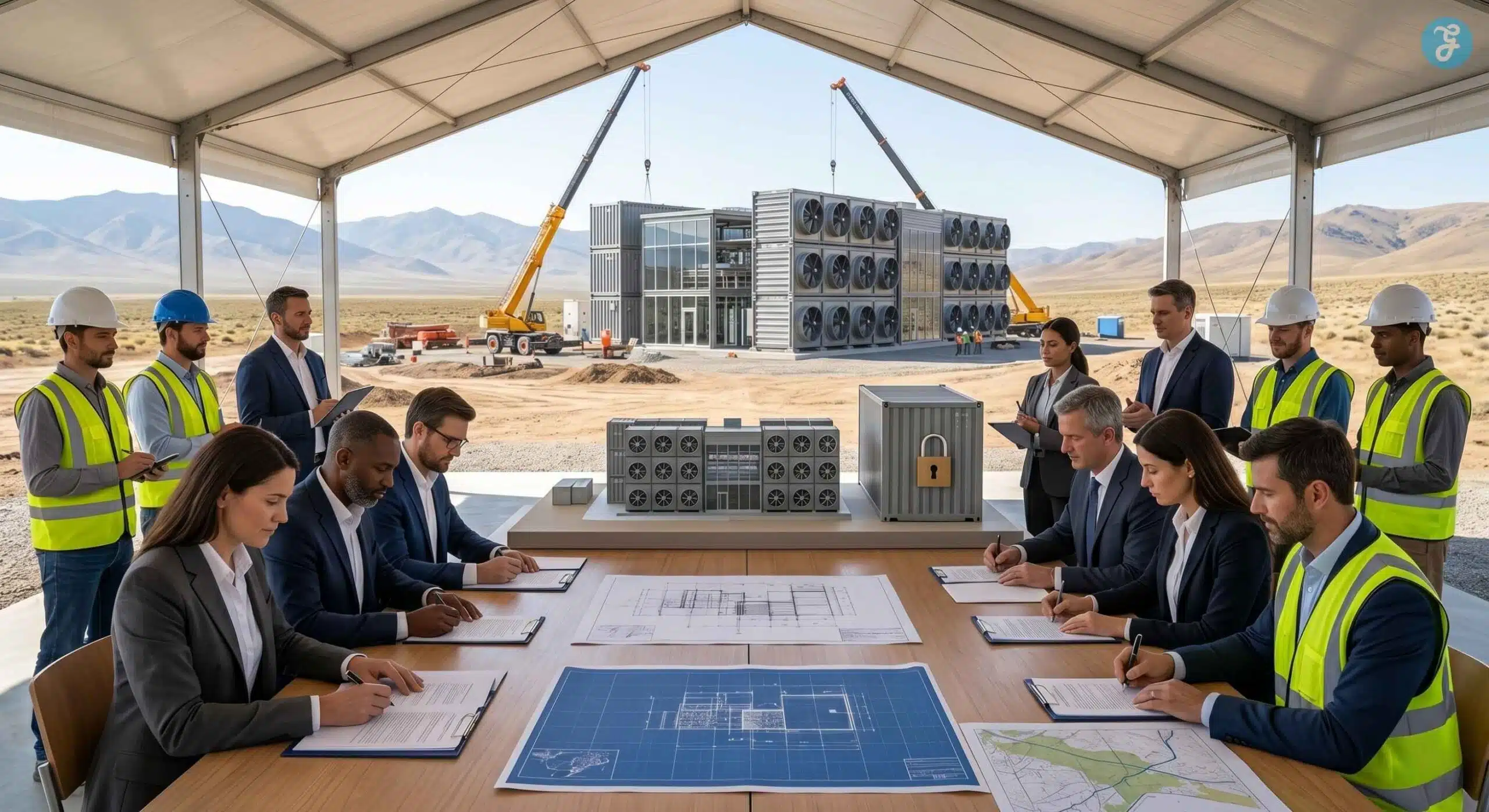
In the older carbon market, many companies bought credits after they were already issued. In 2026, more buyers are signing off-take agreements. An offtake agreement is a contract to buy credits in the future. This helps project developers raise money before the project is fully built. It also helps buyers secure future supply before prices rise.
This model is especially important for durable carbon removal. Building direct air capture plants, biochar facilities, mineralization projects, and biomass storage systems requires upfront capital. Developers need predictable demand. Buyers need a credible supply.
Carbon Direct says high-durability carbon removal is still largely forward-looking. In its 2026 analysis, the ratio of high-durability spot retirements to forward offtake volumes was 1:70, meaning far more tonnes are committed for future delivery than retired today.
That is both promising and risky. It shows serious demand, but it also means many credits have not yet been delivered. Buyers must check technology readiness, financial strength, delivery timelines, reversal risk, and contract terms.
How Businesses Should Buy Carbon Credits in 2026
A smart 2026 carbon credit strategy should not begin with the question, “What is the cheapest credit?” It should begin with a better question: “What claim do we need to support, and what level of evidence will that claim require?”
A practical buying process looks like this:
| Step | What To Do |
| Measure emissions first | Know your Scope 1, 2, and relevant Scope 3 emissions |
| Reduce before offsetting | Credits should not replace direct emissions cuts |
| Define the claim | Decide whether the credit supports contribution, residual emissions, or a net-zero strategy |
| Check the credit type | Avoidance, reduction, nature-based removal, or durable removal |
| Review standards | Look at ICVCM, VCMI, SBTi, registry rules, and local law |
| Check project quality | Review additionality, permanence, leakage, reversal risk, and community safeguards |
| Diversify the portfolio | Do not rely on one methodology or one project |
| Track delivery | Forward purchases need regular monitoring |
| Be careful with wording | Avoid vague “carbon neutral” claims unless legally and scientifically defensible |
For most companies, the best strategy is a blended portfolio. That may include some high-quality nature-based credits, some durable removals, and some long-term offtake agreements. The exact mix depends on the company’s emissions profile, budget, risk tolerance, and public claims.
What This Means For The 2026 Carbon Market
The carbon market in 2026 is not collapsing. It is being tested. Low-quality credits are under pressure. High-quality credits are expensive. Durable removals are promising but still supply-constrained. Buyers are more careful. Regulators are paying closer attention. Public claims are riskier than before.
This is a healthier direction, even if it makes the market more complicated. The future of carbon credits will not be decided by price alone. It will be decided by trust. A credit that cannot survive scrutiny is not cheap. It is a liability. A credit that is verified, durable, transparent, and honestly used may cost more, but it is far easier to defend.
For companies buying carbon credits in 2026, the rule is simple: reduce first, buy carefully, document everything, and make only the claims you can prove.
Final Blueprint
Carbon credits in 2026 are worth anywhere from a few dollars to hundreds of dollars per tonne, depending on quality, durability, and buyer demand. The biggest buyers are tech companies, aviation players, financial institutions, professional services firms, and hard-to-abate industries preparing for stricter climate scrutiny.
The winning strategy is not to chase the cheapest offset. It is to build a credible portfolio that supports real emissions cuts, uses high-quality credits, and avoids exaggerated climate claims. Carbon credits still have a role, but in 2026 that role is narrower, more accountable, and much more evidence-driven.
Frequently Asked Questions About Carbon Credits in 2026
1. What Are Carbon Credits in 2026?
Carbon credits in 2026 are certificates that usually represent one metric tonne of CO₂e reduced, avoided, or removed from the atmosphere. Companies buy them to support climate goals, but buyers are now paying much closer attention to quality, verification, permanence, and whether the credit can support a credible public claim.
2. How Much Are Carbon Credits Worth in 2026?
There is no single fixed price for carbon credits in 2026. Nature-based credits may average around $7–$24 per tonne, while technology-based carbon removal credits can go above $170–$500 per tonne, depending on the method, quality, and durability.
3. Who Is Buying Carbon Credits in 2026?
The biggest buyers include technology companies, airlines, financial institutions, professional services firms, and hard-to-abate industries such as cement, steel, shipping, and chemicals. Many of these buyers use carbon credits to support climate strategies, prepare for stricter reporting rules, or address emissions that are difficult to cut immediately.
4. Why Are Some Carbon Credits So Expensive?
Some credits cost more because they remove carbon from the atmosphere and store it for a long time. Direct air capture, biochar, mineralization, and other durable removal methods are harder to scale, measure, and finance, so buyers pay a premium for them.
5. What Makes a Carbon Credit High Quality?
A high-quality carbon credit should show additionality, strong measurement, third-party verification, low leakage risk, clear ownership, and realistic permanence. ICVCM’s Core Carbon Principles are now one of the most important global benchmarks for identifying credits with real and verifiable climate impact.
6. Can A Company Claim To Be Carbon Neutral By Buying Credits?
A company should be very careful with “carbon neutral” claims in 2026. Regulators and consumers are more skeptical of claims based mainly on offsets. A safer approach is to explain exactly what credits were bought, what emissions were reduced directly, and what remaining emissions the credits are meant to address.
7. What Is The Future Of Carbon Credits After 2026?
The market will likely become more selective. Low-quality credits may struggle, while high-integrity removals and well-verified nature-based projects may attract stronger demand. The future of carbon credits will depend less on volume and more on trust, transparency, and proof.