

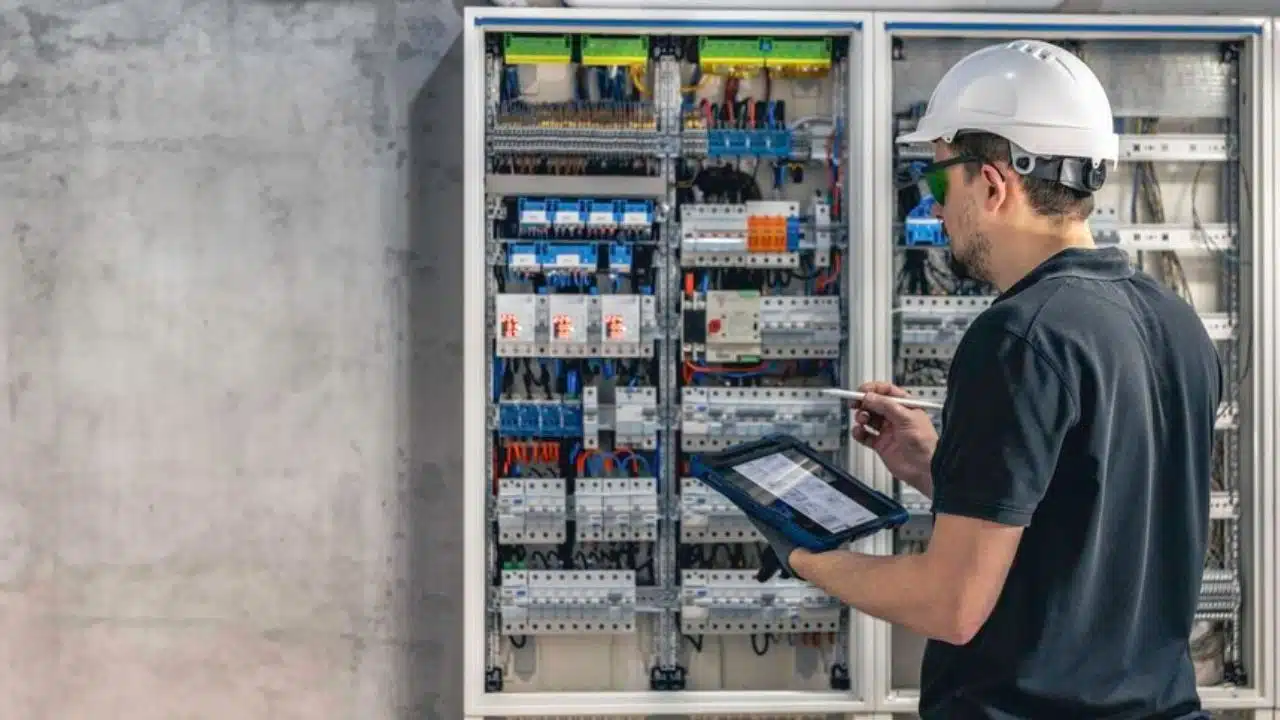
Are you concerned about the safety and efficiency of your commercial electrical infrastructure? Power distribution systems in modern buildings require reliable components that can withstand heavy usage while maintaining strict safety standards. Safety-focused solutions are crucial as businesses navigate rising power demands and stricter regulations.
A bus plug system represents one of the most significant advancements in commercial power distribution technology. These specialized devices connect directly to busway systems, enabling power to be tapped safely and efficiently from main busway runs. Facility managers value these components for reducing electrical hazards and enhancing system flexibility and maintenance.
Enhanced Circuit Protection Features
Modern electrical components incorporate sophisticated protection mechanisms that prevent catastrophic system failures before they occur. Quality distribution equipment includes thermal sensing technology that monitors temperature variations throughout connected systems. Properly installed devices automatically disconnect power when detecting potentially dangerous electrical conditions like overloads.
Advanced models feature quick-response circuit breakers that isolate problems within milliseconds of detection. These rapid interventions prevent electrical faults from escalating into larger system failures. Overall safety and equipment longevity are significantly enhanced.
Digital monitoring helps maintenance teams spot potential issues early, preventing serious hazards. Protection features combine to create multiple safety layers within commercial power systems. Field testing shows these features effectively prevent common electrical accidents in facilities.
Simplified Maintenance and Reduced Downtime
Commercial facilities cannot risk long power disruptions due to financial impact. Modular power distribution lets technicians service specific sections without affecting the entire system. Hot-swappable components ensure critical systems stay operational during maintenance.
The plug-in design enables quick replacement of damaged parts without rewiring. Standardized connections reduce guesswork, minimizing human error and safety risks. These features ensure businesses maintain continuity while addressing electrical needs promptly and safely.
Emergency replacement capabilities ensure that even catastrophic component failures can be addressed with minimal operational impact. This minimizes downtime and keeps critical systems running without extended interruptions. Fast access to replacement parts also reduces the need for costly backup solutions or extended maintenance windows.
Customizable Power Distribution Solutions
Every commercial facility has unique electrical requirements that demand specialized configurations for optimal safety and performance. Adaptable power equipment comes in various amperage ratings to match specific loads in different areas. Versatile mounting options ensure proper installation regardless of spatial constraints or architectural peculiarities.
Multiple circuit breaker configurations can be selected based on the protection needs of connected equipment. Specialized bus plug models offer different voltage options to accommodate various equipment requirements throughout facilities. These customization capabilities ensure that safety features precisely match the specific hazards present in each application.
Meticulous power planning allows facilities to implement exactly the right protection level for each operational zone. By tailoring protection schemes to specific equipment and usage patterns, facilities can avoid both over-engineering and under-protection. This targeted approach optimizes resource allocation and improves system reliability.
Reduced Fire Hazards Through Better Design
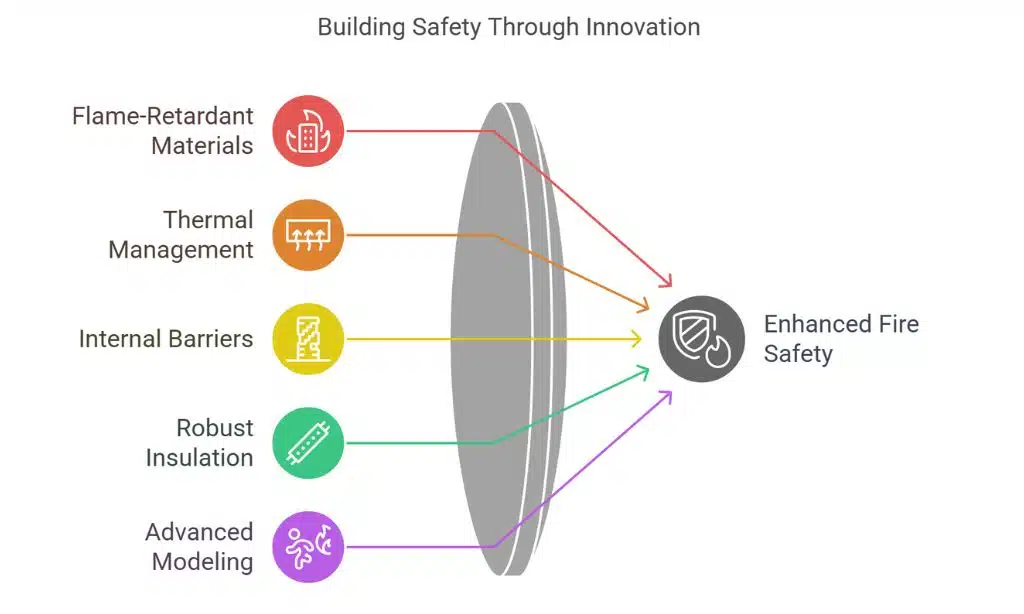
Electrical fires represent one of the most destructive risks in commercial buildings, causing millions in damage annually. High-quality distribution components use flame-retardant materials that significantly reduce fire propagation risks during electrical malfunctions. Thermal management features dissipate heat efficiently, preventing dangerous temperature buildup within electrical connection points.
Internal barriers separate high-voltage components to contain potential arcing and prevent fire spread. Robust insulation maintains integrity even under extreme conditions, containing electrical accidents within enclosed spaces. These design elements work cohesively to minimize fire risks associated with commercial power distribution systems.
Advanced modeling techniques verify fire containment capabilities before products ever reach commercial installation environments. By testing various scenarios in a controlled setting, manufacturers can refine their products for maximum safety. As a result, end-users benefit from highly reliable systems that are less prone to failure or safety hazards.
Compliance With Evolving Safety Standards
Regulatory requirements for commercial electrical systems continually advance as safety science identifies new risk factors. Modern distribution equipment manufacturers design products that meet or exceed current National Electrical Code requirements. UL certification ensures components have undergone rigorous testing to verify performance under adverse conditions.
Products receive regular design updates as industry standards evolve to address newly identified electrical hazards. Documentation packages help facility managers demonstrate compliance during safety inspections and insurance assessments. These compliance features protect businesses from liability concerns while ensuring occupant safety throughout commercial properties.
Third-party verification processes provide additional assurance that safety standards remain consistently implemented across all installations. These independent assessments offer an objective review of safety protocols and installation practices. By involving external experts, facilities can identify potential gaps and improve areas of concern before they become critical.
Integration With Modern Monitoring Systems
The commercial facilities benefit from real-time awareness of electrical system status through advanced monitoring capabilities. Connected power distribution components provide continuous data streams that alert managers to developing problems. Intelligent systems track power quality metrics that might indicate imminent component failures before accidents occur.
Remote monitoring capabilities allow technicians to assess electrical systems without exposure to energized equipment. Integration with building management systems creates comprehensive safety protocols that respond automatically to detected hazards. These monitoring capabilities transform passive electrical components into active safety systems that protect people and property.
Predictive analytics help identify degrading components before they present actual safety risks to occupants. By analyzing trends and patterns, these tools provide early warnings, allowing for timely maintenance or replacement. This proactive approach reduces the likelihood of unexpected failures and enhances overall system reliability.
Cost-Effective Safety Improvements
Smart investment in electrical infrastructure often pays for itself through prevented accidents and operational continuity benefits. High-quality components may cost more initially but deliver substantial safety returns throughout their extended lifespans. Insurance companies frequently offer premium discounts to facilities that implement recommended electrical safety upgrades and protocols.
Proper distribution equipment reduces energy waste, creating efficiency savings that offset initial investment in safer equipment. The cost of workplace accidents far exceeds preventative measures that could have eliminated electrical hazards entirely. Forward-thinking facility managers recognize that safety investments create both financial and human benefits for their organizations.
Total cost of ownership calculations consistently demonstrate superior returns from quality electrical distribution equipment over standard alternatives. Investing in high-quality equipment reduces the frequency of repairs and maintenance, leading to lower long-term operational costs. These systems are designed for greater energy efficiency, contributing to reduced energy consumption and additional cost savings over time.
The bus plug represents a critical safety component that deserves careful consideration when designing or upgrading commercial electrical systems. When properly specified and installed, these devices create multiple layers of protection against common electrical hazards while improving system flexibility. Implementing robust power distribution solutions demonstrates your commitment to workplace safety and operational excellence.
























