

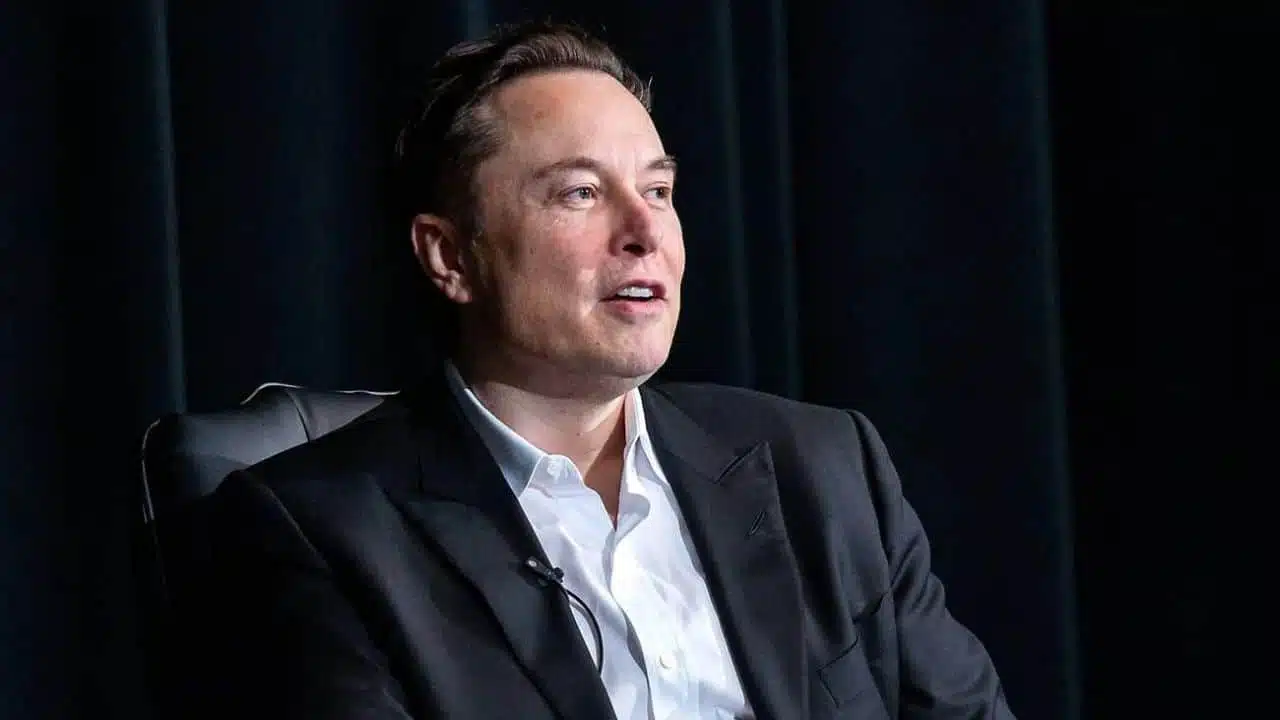
In a bold and unprecedented move, Brazil’s Supreme Court ordered a nationwide suspension of Elon Musk’s social media platform, X, which was formerly known as Twitter, on Friday. This decisive action came after the company openly defied a series of earlier court orders related to content moderation and the appointment of a legal representative in the country. The orders were issued by Alexandre de Moraes, one of the most prominent and influential judges on the Supreme Court.
Court’s Rationale and the Significance of Content Moderation
The Supreme Court’s decision to ban X across the country underscores the importance Brazil places on content moderation, particularly in the context of its legal and political landscape. With Brazil preparing for its municipal elections in October, the stakes are higher than ever. The nation’s laws mandate that social media companies operating within its borders must have a local representative to manage and process government takedown notices. These notices are critical, especially when they involve issues related to political misinformation and incitements to violence, both of which are of growing concern as the election approaches.
In its ruling, the Supreme Court made it clear that the suspension would remain in effect until the social media giant complies with the judicial orders, which include the payment of fines and the appointment of a legal representative in Brazil. The court’s statement, released on its official website, emphasized the need for X to adhere to Brazilian laws and judicial decisions if it wishes to continue operating in the country.
Penalties for VPN Users and Broader Implications
In addition to suspending the operation of X, Judge Alexandre de Moraes also imposed daily fines on individuals or businesses that attempt to bypass the ban using virtual private networks (VPNs) or other methods. This aspect of the ruling highlights the court’s determination to enforce the suspension strictly, ensuring that no loopholes are exploited to undermine the ban.
This ruling carries significant implications not just for X but also for the broader digital landscape in Brazil. The imposition of fines for using VPNs is particularly noteworthy as it signals the court’s intent to clamp down on any efforts to circumvent its orders. The move may have far-reaching consequences for other technology companies operating in Brazil, especially those that have previously been scrutinized for their content moderation practices.
A Reversal of Some Measures: The Court’s Second Order
Shortly after the initial ruling, the Supreme Court issued a second order that partially reversed some of the stringent measures outlined in the first 51-page order. Initially, de Moraes had given tech giants like Apple and Google a five-day deadline to remove X from their app stores and to cease offering VPN apps that could potentially be used to access X. However, the second order delayed the implementation of these measures, providing X with more time to address the court’s concerns by paying the fines and appointing a legal representative.
This reversal reflects the court’s willingness to give X a final opportunity to comply with the law while still maintaining the pressure necessary to ensure that the company takes the matter seriously. It also highlights the complexities involved in regulating global tech companies within national legal frameworks, especially when those companies are reluctant to comply with local laws.
X’s Defiance and Legal Battles with the Brazilian Judiciary
The conflict between X and the Brazilian judiciary reached a critical point earlier in the week when the Supreme Court issued an ultimatum to Elon Musk’s company. The court demanded that X appoint a legal representative in Brazil within 24 hours or face a nationwide suspension of its operations. The deadline passed on Thursday evening without any compliance from X, setting the stage for the sweeping actions that followed.
In a statement issued late Thursday, X’s global government affairs unit made it clear that the company was fully aware of the impending shutdown but was not willing to comply with the court’s orders. This defiance is consistent with Musk’s broader approach to content moderation and legal compliance, where he has often positioned himself as a champion of free speech, even at the expense of adhering to local laws.
Brazil’s Legal Framework for Social Media Companies
Brazil’s legal requirements for social media companies are among the most stringent in the world, particularly when it comes to content moderation. The country’s laws are designed to ensure that social media platforms do not become vehicles for spreading misinformation or inciting violence, especially during sensitive political periods like elections. To this end, companies are required to have a designated representative in the country who can respond to government takedown notices and other legal requests.
X’s refusal to appoint such a representative has placed it in direct conflict with these laws, leading to the current standoff. The company’s earlier decision to remove all its employees from Brazil rather than risk potential arrests over non-compliance with court orders only served to exacerbate the situation.
The Potential Impact of the Suspension on X’s Business
The suspension of X in Brazil could have significant repercussions for the company, particularly given the size of the Brazilian market. Brazil is home to over 171 million active social media users, making it one of the largest markets for social media platforms globally. The loss of access to this market could deal a severe blow to X, which is already grappling with challenges on multiple fronts.
Elon Musk’s acquisition of Twitter in late 2022 for $44 billion marked the beginning of a turbulent period for the company. Musk implemented sweeping changes, including reinstating accounts that had previously been banned for violating the platform’s rules. These changes led to an exodus of major advertisers, who were concerned about the potential risks of associating their brands with content that could be seen as controversial or harmful.
The situation in Brazil adds another layer of complexity to X’s business challenges. If the suspension remains in place for an extended period, it could result in a significant loss of revenue for the company, further straining its financial position.
Musk’s Previous Clashes with Brazilian Authorities
Elon Musk’s relationship with Brazilian authorities has been fraught with tension, particularly in recent months. The conflict escalated when the Supreme Court froze the finances of Starlink, Musk’s satellite internet service, in Brazil. The court took this action to ensure that X would pay the fines imposed for its alleged violations of Brazilian law. Musk responded by using X to encourage Brazilians to use Starlink to access the social media platform, effectively challenging the court’s authority.
In a series of posts on X, Musk lashed out at Judge Alexandre de Moraes, even going so far as to compare him to the villain Voldemort from the Harry Potter series. These posts reflect Musk’s frustration with the legal challenges his companies have faced in Brazil and his broader opposition to what he perceives as censorship by government authorities.
De Moraes’ History with Social Media Companies
Judge Alexandre de Moraes is no stranger to controversies involving social media companies. His court has a history of taking decisive action against tech giants that fail to comply with Brazilian regulations. Both WhatsApp and Telegram, for instance, have been suspended in Brazil in the past due to non-compliance with local laws, although both platforms were eventually reinstated after meeting the court’s demands.
Critics of de Moraes argue that his actions represent an overreach of judicial power, while supporters view them as necessary measures to protect the integrity of Brazil’s legal system and its democratic processes. The current situation with X is just the latest in a series of high-profile cases that have put de Moraes at the center of the debate over the role of social media in modern society.
Musk’s Response to the Suspension
Following the news of the suspension, Elon Musk took to X to express his views on the situation. In a post that quickly went viral, Musk described the Brazilian government as an “oppressive regime” that was “so afraid of the people learning the truth” that it would “bankrupt anyone who tries.” This post, along with others criticizing the court’s actions, underscores Musk’s defiant stance in the face of legal challenges and his ongoing commitment to what he views as the principles of free speech.
Musk’s posts have sparked a broader debate about the role of social media in disseminating information and the extent to which governments should be allowed to regulate platforms like X. While some users have praised Musk for standing up to what they see as government overreach, others have criticized him for failing to comply with laws designed to protect public safety and democratic processes.
Future Implications for X and Global Social Media Regulation
As the legal battle between X and the Brazilian judiciary continues, the future of the platform in Brazil remains uncertain. The suspension could set a precedent for how other countries approach the regulation of social media companies, particularly those that operate on a global scale but are reluctant to comply with local laws.
The situation also raises important questions about the balance between free speech and the need for content moderation, especially in the context of elections and other politically sensitive events. As social media continues to play an increasingly central role in shaping public discourse, the actions taken by governments and courts in cases like this one could have far-reaching implications for the future of digital communication.
In the meantime, X faces a critical decision: whether to comply with the Brazilian court’s demands and restore its operations in the country or to continue its defiant stance and risk further legal and financial consequences. The outcome of this standoff will likely have significant implications not only for X but also for the broader social media landscape in Brazil and beyond.






















