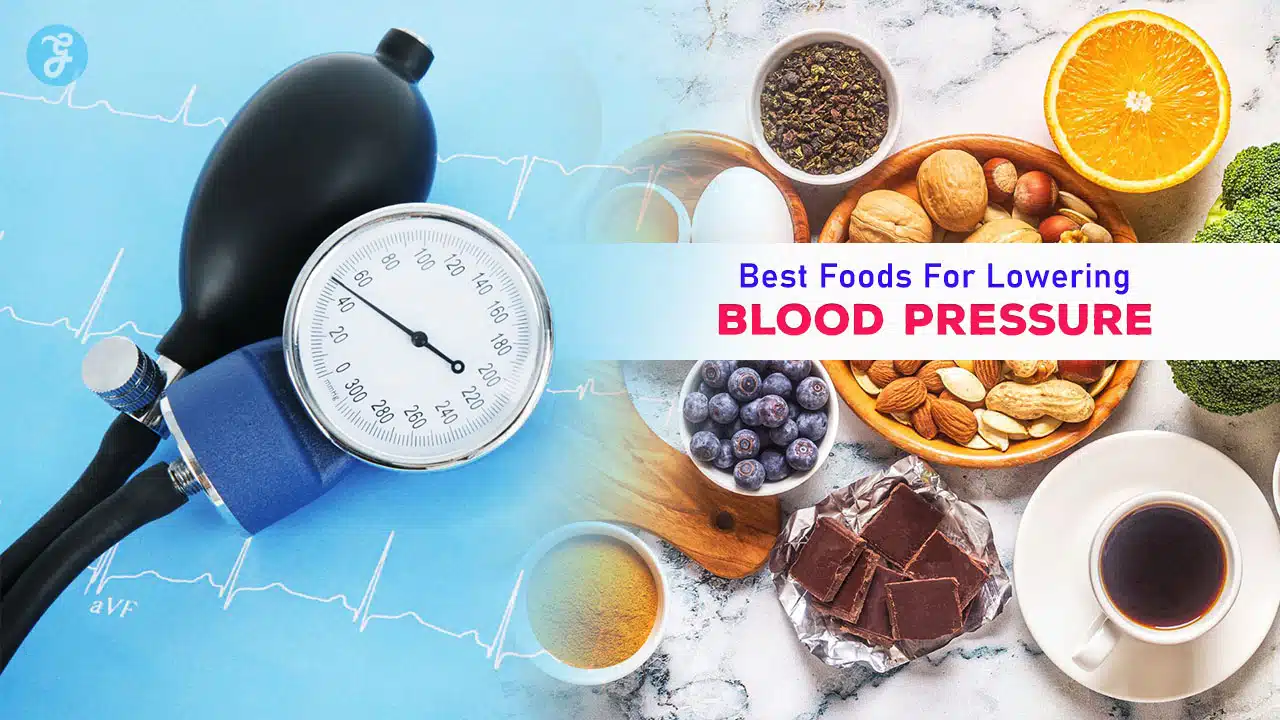
High blood pressure, or hypertension, is a common health condition that affects millions of people worldwide.
Known as the “silent killer,” it often presents no symptoms but can lead to serious complications like heart disease, stroke, and kidney failure if left unmanaged.
One of the most effective ways to combat high blood pressure is through diet. While medication and lifestyle changes are crucial, certain foods can play a significant role in naturally lowering blood pressure.
In this article, we’ll explore the 10 best foods for lowering blood pressure and how they work to improve your heart health.
By connecting with healthier eating habits and competing with yourself to incorporate these foods into your daily diet, you can take meaningful steps toward better blood pressure management and overall wellbeing.
1. Leafy Greens
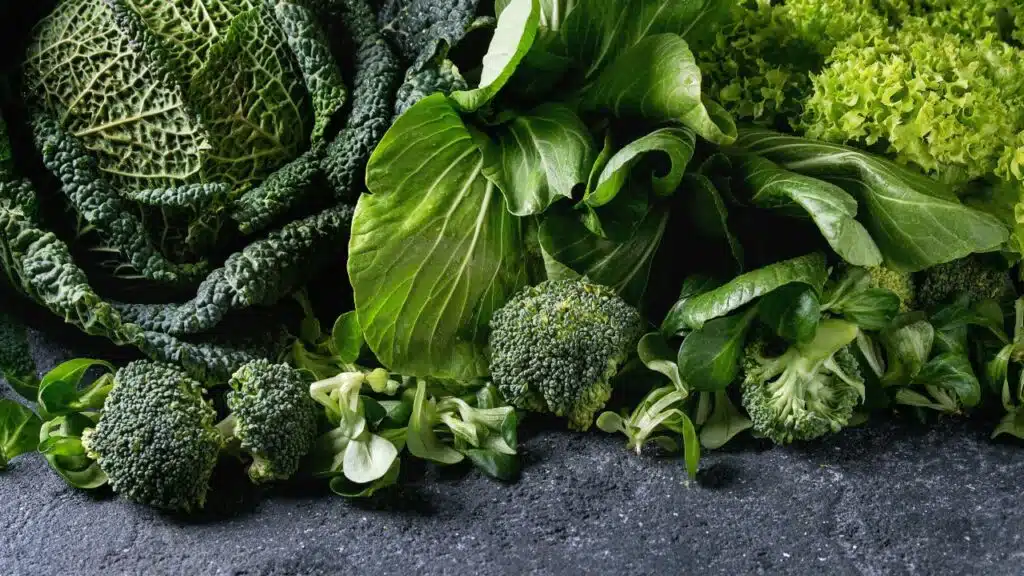
Leafy greens, such as spinach, kale, and arugula, are rich in potassium—a key nutrient that helps regulate blood pressure by balancing the effects of sodium.
Potassium works to relax the blood vessels, which reduces pressure on the arterial walls and promotes better blood flow.
Why Leafy Greens Help Lower Blood Pressure:
Potassium is essential because it counteracts the harmful effects of sodium. Sodium can cause the body to retain excess fluid, which increases blood volume and raises blood pressure.
By increasing potassium intake through leafy greens, you help the body expel sodium through urine, thus reducing fluid retention and blood pressure.
Key Nutrients in Leafy Greens:
- Potassium: Helps balance sodium levels and lowers blood pressure.
- Magnesium supports heart health by relaxing blood vessels.
- Nitrates: Found in vegetables like beet greens, nitrates are converted into nitric oxide, which improves circulation.
Best Ways to Incorporate Leafy Greens into Your Diet:
- Add spinach or kale to your morning smoothie for a nutrient boost.
- Include leafy greens as a base for salads, grain bowls, or side dishes.
- Use them in stirfries or as a bed for grilled fish or chicken.
Practical Tip:
Incorporate a handful of spinach into your daily meals, such as mixing it into pasta dishes or sandwiches, to boost your potassium intake easily.
2. Berries
Berries, particularly blueberries, strawberries, and raspberries, are loaded with flavonoids, powerful antioxidants that have been linked to reducing blood pressure.
These flavonoids improve the function of the blood vessels, making them more flexible, which helps in lowering blood pressure and reducing inflammation.
Why Berries Are Beneficial for Blood Pressure:
Flavonoids, especially anthocyanins, found in berries, have been shown to improve heart health by promoting better circulation and reducing oxidative stress.
Studies indicate that regular consumption of berries can lead to significant reductions in both systolic and diastolic blood pressure.
Key Nutrients in Berries:
- Flavonoids (anthocyanins): Potent antioxidants that improve blood vessel function.
- Vitamin C: Supports overall heart health and reduces oxidative damage.
- Fiber: Helps manage cholesterol levels and blood pressure.
Best Ways to Include Berries in Your Diet:
- Top your morning oatmeal, cereal, or yogurt with fresh berries.
- Blend berries into smoothies or use them to sweeten desserts naturally.
- Enjoy a mixed berry salad for a refreshing snack.
Practical Tip:
Keep a bag of frozen berries in your freezer for easy access yearround. They can be tossed into smoothies or added to baked goods without compromising their nutritional value.
3. Fatty Fish (Salmon, Mackerel, Sardines)
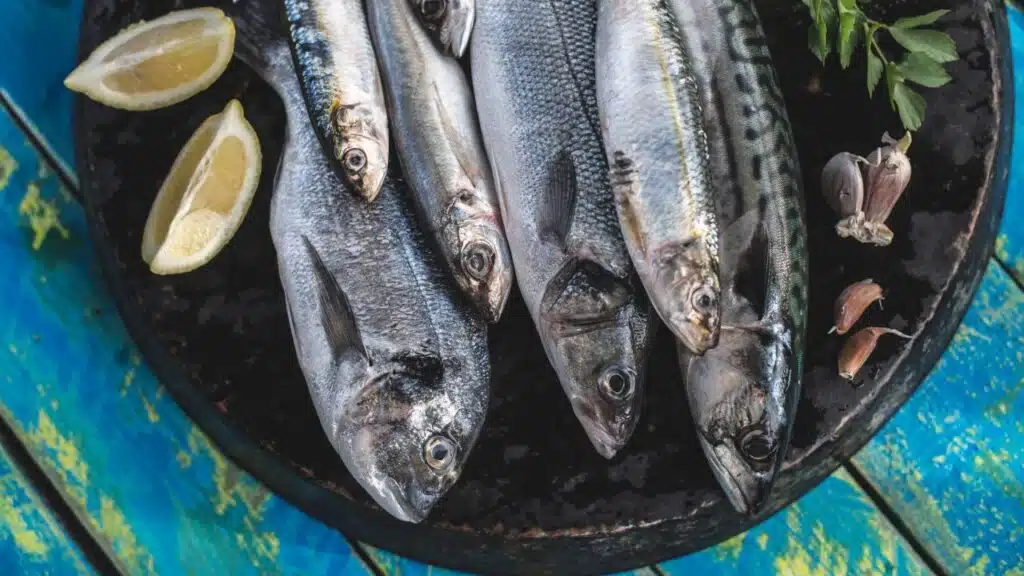
Fatty fish such as salmon, mackerel, and sardines are rich in omega-3 fatty acids, which have powerful antiinflammatory properties.
Omega3s help lower blood pressure by reducing the production of substances in the body that constrict blood vessels and promote inflammation.
Why Fatty Fish Helps Lower Blood Pressure:
Omega3s play a vital role in heart health by reducing blood vessel stiffness, improving blood flow, and lowering triglyceride levels.
Studies show that people who consume fatty fish regularly tend to have lower blood pressure and a reduced risk of heart disease.
Key Nutrients in Fatty Fish:
- Omega-3 fatty acids (EPA and DHA): Reduce inflammation and lower blood pressure.
- Vitamin D: Supports cardiovascular health
- Protein: Helps maintain muscle mass and overall health.
Best Ways to Incorporate Fatty Fish into Your Diet:
- Grill or bake salmon for a hearty dinner.
- Add sardines to salads or toast for a quick, nutritious meal.
- Try smoked mackerel for a flavorful snack or lunch option.
Practical Tip:
Aim for at least two servings of fatty fish per week to ensure a consistent intake of omega-3 fatty acids. This can help keep your blood pressure in check and support overall heart health.
4. Bananas
Bananas are an excellent source of potassium, a critical nutrient for managing blood pressure.
By helping the body regulate sodium levels, potassium-rich foods like bananas can help reduce fluid retention and improve blood vessel function.
Why Bananas Are Great for Blood Pressure:
Bananas provide a quick and easy way to increase potassium intake, which is essential for balancing sodium in the body.
Studies have shown that people with higher potassium intakes tend to have lower blood pressure and a reduced risk of heart disease.
Key Nutrients in Bananas:
- Potassium: Regulates blood pressure by balancing sodium levels.
- Fiber: Supports healthy digestion and heart health.
- Vitamin C: Helps reduce oxidative stress in blood vessels.
Best Ways to Include Bananas in Your Diet:
- Enjoy a banana as a quick snack, or slice it onto your morning oatmeal or yogurt.
- Blend bananas into smoothies or use them in baking as a natural sweetener.
Practical Tip:
Pair a banana with a handful of nuts or seeds for a blood pressure-friendly snack that provides a good balance of potassium, fiber, and healthy fats.
5. Beets
Beets are rich in nitrates, compounds that the body converts into nitric oxide.
Nitric oxide helps relax and dilate blood vessels, leading to improved circulation and lower blood pressure.
Why Beets Are Beneficial for Blood Pressure:
Several studies have shown that drinking beet juice or consuming whole beets can significantly lower blood pressure, especially in people with hypertension.
The nitrates in beets help widen the blood vessels, allowing for better blood flow and less strain on the heart.
Key Nutrients in Beets:
- Nitrates: Improve blood vessel function and lower blood pressure.
- Potassium: Supports healthy blood pressure levels.
- Fiber: Promotes heart health and supports digestion.
Best Ways to Incorporate Beets into Your Diet:
- Roast or steam beets and add them to salads, grain bowls, or as a side dish.
- Juice fresh beets for a nutrient-packed drink, or add them to smoothies.
Practical Tip:
Drinking a glass of beet juice daily has been shown to lower blood pressure in just a few hours. Add beets to your diet regularly for longterm benefits.
6. Oats
Oats are a hearthealthy grain packed with betaglucan, a type of soluble fiber that has been shown to lower cholesterol levels and reduce blood pressure.
This fiber works by improving blood vessel function and reducing inflammation.
Why Oats Are Good for Blood Pressure
Betaglucan helps reduce cholesterol levels, which can improve the overall function of blood vessels and reduce plaque buildup in the arteries.
This, in turn, helps lower blood pressure and supports long-term heart health.
Key Nutrients in Oats:
- Betaglucan (soluble fiber): Helps lower cholesterol and improve blood pressure.
- Magnesium: Supports muscle relaxation and heart function.
- Antioxidants: Reduce inflammation and improve blood vessel health.
Best Ways to Include Oats in Your Diet:
- Start your day with a bowl of oatmeal topped with berries, nuts, or seeds.
- Use oats in baking, such as in muffins or granola bars.
- Blend oats into smoothies for a thick, fiberrich boost.
Practical Tip:
Choose steelcut or oldfashioned oats for the highest fiber content and the best impact on blood pressure. Avoid instant oats, which often contain added sugars and fewer nutrients.
7. Garlic
Garlic has long been known for its medicinal properties, particularly in promoting heart health. It contains a compound called allicin, which helps relax blood vessels and improve circulation, thus lowering blood pressure.
Why Garlic Helps Lower Blood Pressure
Allicin is the active compound in garlic that is released when garlic is crushed or chopped. Studies have shown that garlic supplements and fresh garlic can significantly lower blood pressure in people with hypertension by improving blood flow and reducing inflammation.
Key Nutrients in Garlic:
- Allicin: Lowers blood pressure by improving blood vessel function.
- Manganese: Supports overall heart health.
- Vitamin B6: Helps reduce homocysteine levels, which can improve heart health.
Best Ways to Add Garlic to Your Diet:
- Add fresh garlic to salad dressings, marinades, or sauces for a flavorful boost.
- Roast garlic for a sweeter, milder flavor and spread it on wholegrain bread.
Practical Tip:
To maximize the health benefits, let chopped or crushed garlic sit for about 10 minutes before cooking. This allows the allicin to form, which helps retain its blood
pressure lowering properties.
8. Dark Chocolate

Dark chocolate, particularly varieties that contain 70% or more cocoa, is rich in flavonoids, which help relax blood vessels and improve circulation.
Regular consumption of dark chocolate has been linked to lower blood pressure and a reduced risk of heart disease.
Why Dark Chocolate Benefits Blood Pressure
The flavonoids in dark chocolate stimulate the production of nitric oxide, which helps relax and widen blood vessels
This improved blood flow can help lower blood pressure and improve overall heart health.
Key Nutrients in Dark Chocolate:
- Flavonoids: Promote heart health by improving blood vessel function.
- Magnesium: Supports muscle relaxation and lowers blood pressure.
- Iron: Contributes to healthy blood circulation.
Best Ways to Include Dark Chocolate in Your Diet:
- Enjoy a small piece of dark chocolate as a snack or dessert.
- Add grated dark chocolate to oatmeal, yogurt, or smoothies for a healthy indulgence.
Practical Tip:
Choose dark chocolate with at least 70% cocoa and minimal added sugar to maximize its health benefits while keeping your calorie intake in check.
9. Nuts and Seeds
Nuts and seeds, such as almonds, flaxseeds, and chia seeds, are excellent sources of magnesium, fiber, and healthy fats, all of which contribute to lower blood pressure.
Magnesium, in particular, helps relax blood vessels and regulate sodium levels in the body.
Why Nuts and Seeds Are Great for Blood Pressure
Magnesium is a key nutrient for heart health, helping to relax blood vessels and balance sodium levels, which can significantly lower blood pressure.
The healthy fats in nuts and seeds also support heart health and reduce inflammation.
Key Nutrients in Nuts and Seeds:
- Magnesium: Lowers blood pressure by relaxing blood vessels.
- Omega-3 fatty acids: found in flaxseeds and chia seeds, these help reduce inflammation and lower blood pressure.
- Fiber: supports healthy digestion and helps manage blood pressure.
Best Ways to Include Nuts and Seeds in Your Diet:
- Add chia seeds or ground flaxseeds to smoothies, oatmeal, or yogurt.
- Snack on a handful of almonds or walnuts, or incorporate them into salads and grain bowls.
Practical Tip:
Ground flaxseeds are especially rich in omega-3 fatty acids, which help reduce blood pressure. Sprinkle them on your meals for an easy nutrient boost.
10. Pomegranates
Pomegranates are rich in polyphenols, antioxidants that have been shown to lower blood pressure by reducing inflammation and improving heart health.
Drinking pomegranate juice has been linked to significant reductions in both systolic and diastolic blood pressure.
Why Pomegranates Help Lower Blood Pressure
The antioxidants in pomegranates, particularly polyphenols, reduce oxidative stress in the blood vessels, allowing them to relax and improve circulation.
Regular consumption of pomegranate juice has been shown to lower blood pressure and improve overall cardiovascular health.
Key Nutrients in Pomegranates:
- Polyphenols: Powerful antioxidants that lower blood pressure.
- Vitamin C: Supports blood vessel health and reduces oxidative damage.
- Potassium: Helps regulate fluid balance and blood pressure.
Best Ways to Include Pomegranates in Your Diet:
- Add fresh pomegranate seeds to salads, yogurt, or grain bowls.
- Drink 100% pomegranate juice as a refreshing and hearthealthy beverage.
Practical Tip:
When choosing pomegranate juice, opt for varieties without added sugars to maximize the health benefits for your blood pressure.
Conclusion: Connecting Diet and Heart Health
The foods we choose to eat have a profound impact on our blood pressure and overall heart health. By incorporating these 10 best foods for lowering blood pressure into your daily meals, you can take proactive steps toward reducing your risk of hypertension and improving your cardiovascular health.
Whether it’s the potassium in leafy greens and bananas or the omega-3 fatty acids in fatty fish, each of these foods offers unique benefits that support heart health.
As you “connect” with these healthier eating habits, challenge yourself to “compete” with your previous dietary choices, making gradual improvements that will benefit your long-term well-being.
By combining these foods with regular exercise, stress management, and proper medical care, you can effectively manage your blood pressure and reduce your risk of heart disease.
Remember, small changes in your diet can lead to significant improvements in your health, so start incorporating these blood pressure lowering foods into your daily routine today.