

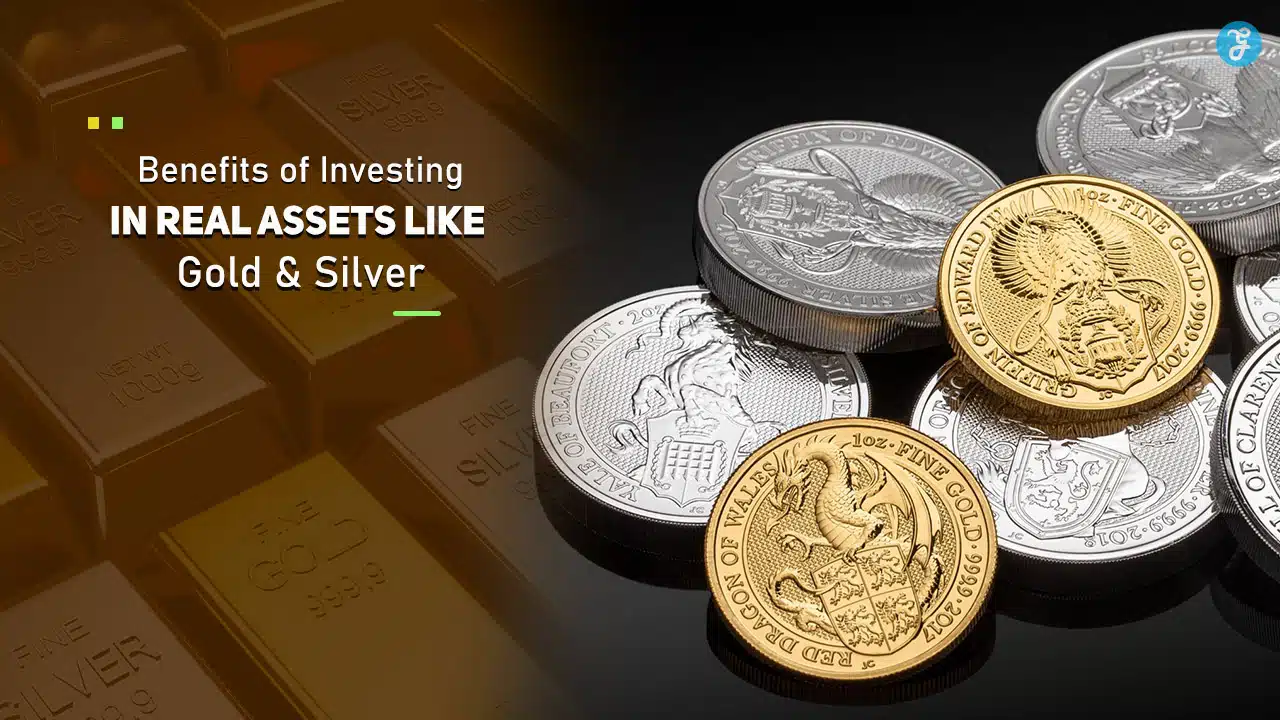
In a world of fluctuating markets and economic uncertainties, real assets like gold and silver have consistently proven their worth.
These precious metals hold intrinsic value, offering stability, security, and growth opportunities to investors. Unlike intangible investments such as stocks or cryptocurrencies, gold and silver are physical assets with centuries of trust and demand behind them.
Whether you’re a seasoned investor or just starting to build your portfolio, understanding the benefits of gold and silver can help you make informed decisions.
Here are the 10 major benefits of investing in real assets like gold and silver that make them a cornerstone of any diversified investment strategy.
1. Protection Against Inflation

Why It Matters:
Inflation reduces the purchasing power of money over time. While cash and bonds lose value during inflationary periods, gold and silver maintain or even appreciate in value.
How It Works:
Precious metals have a historical tendency to increase in value during periods of rising inflation. This is because their supply is limited, and they are not tied to any currency, making them a reliable store of value.
Example:
In the 1970s, when inflation in the United States reached double digits, gold prices soared from around $35 per ounce to over $800 by 1980, acting as a hedge for investors.
Actionable Tip:
Consider allocating 5–10% of your portfolio to gold or silver to hedge against future inflationary risks.
2. Diversification of Investment Portfolio
Why It Matters:
A well-diversified portfolio reduces overall risk. Gold and silver, with their unique market behaviors, add balance to portfolios that may be heavily reliant on stocks, bonds, or real estate.
How It Works:
Gold and silver often perform well when traditional markets, like equities, experience downturns. Their low or negative correlation with other assets provides stability during market volatility.
Example:
During the 2008 global financial crisis, gold prices increased by nearly 25%, while global stock markets experienced significant declines. Investors who held gold in their portfolios were better insulated from the downturn.
Actionable Tip:
Analyze your portfolio’s composition and add gold or silver as a counterbalance to high-risk assets like tech stocks or cryptocurrencies.
3. Tangible Assets With Intrinsic Value
Why It Matters:
Gold and silver are physical assets that cannot be erased or devalued by cyberattacks, company bankruptcies, or digital fraud, providing a sense of security.
How It Works:
These metals have intrinsic value due to their rarity and universal demand. They are used in jewelry, electronics, and even industrial applications, ensuring their worth is not solely tied to market speculation.
Example:
Gold coins from centuries ago still hold significant value today, not just for their gold content but also as collectible items.
Actionable Tip:
Invest in gold and silver coins or bars through reputable dealers to hold physical assets in your portfolio.
4. Hedge Against Currency Fluctuations
Why It Matters:
Currencies are often subject to devaluation due to economic instability, trade deficits, or monetary policy changes. Gold and silver, however, remain unaffected by these issues.
How It Works:
When a currency weakens, gold and silver prices often rise as investors seek safe-haven assets. This makes them excellent tools for preserving wealth in times of currency volatility.
Example:
During the Brexit referendum in 2016, the British pound fell sharply against major currencies, but gold prices in the UK surged, protecting investors from currency losses.
Actionable Tip:
For international investors, consider gold or silver investments as a buffer against foreign exchange risks.
5. High Liquidity and Global Demand

Why It Matters:
Unlike real estate or collectibles, gold and silver are highly liquid. This means they can be quickly converted into cash almost anywhere in the world.
How It Works:
Gold and silver are universally recognized as valuable, ensuring consistent demand. Even in times of economic crisis, these metals remain sought-after by individuals, institutions, and governments.
Example:
A family facing financial hardship can easily sell their gold jewelry or bullion to cover expenses, even in regions with limited banking infrastructure.
Actionable Tip:
Keep a mix of physical gold and silver coins or bars in your portfolio for emergency liquidity.
6. Resilience During Economic Downturns
Why It Matters:
Gold and silver act as safe-haven assets during recessions or geopolitical instability, providing a buffer when other investments lose value.
How It Works:
When financial markets decline, investors flock to gold and silver to preserve capital, driving up their prices. These metals historically outperform stocks during downturns.
Example:
During the 2020 COVID-19 pandemic, gold reached an all-time high of $2,070 per ounce as investors sought stability amid economic uncertainty.
Actionable Tip:
Use gold or silver as a defensive strategy during times of political or economic uncertainty.
7. Long-Term Value Preservation
Why It Matters:
Gold and silver have been valuable for centuries, making them ideal for preserving wealth across generations. Their value does not diminish over time, unlike fiat currencies or depreciating assets like vehicles.
How It Works:
Precious metals are finite resources with growing demand, ensuring their long-term appreciation. Even small holdings can become valuable assets for future generations.
Example:
A family that purchased gold decades ago often finds that its value has significantly increased, maintaining its purchasing power over time.
Actionable Tip:
Invest in a mix of physical gold and silver to create a generational wealth preservation strategy.
8. Accessible Investment Options
Why It Matters:
Investing in gold and silver is no longer limited to physical purchases. Modern investors have access to various options tailored to their needs and preferences.
How It Works:
You can choose between physical assets (coins, bars, jewelry), digital gold platforms, ETFs, or mining stocks, depending on your investment strategy and liquidity needs.
Example:
Gold ETFs, such as SPDR Gold Shares (GLD), allow investors to gain exposure to gold without needing to store it physically, offering convenience and flexibility.
Actionable Tip:
Explore options like gold ETFs for easy entry into the market or physical gold for long-term, tangible investments.
How to Start Investing in Gold and Silver
- Set Your Goals: Decide whether you’re investing for short-term gains, long-term preservation, or portfolio diversification.
- Choose Your Asset Type: Select between physical gold/silver (coins, bars), ETFs, or digital platforms based on your needs.
- Research and Verify Dealers: For physical assets, buy from certified dealers to ensure authenticity.
- Monitor Market Trends: Keep track of gold and silver prices to identify the best times to buy or sell.
- Balance Your Portfolio: Ensure your gold and silver investments align with your overall portfolio strategy.
Takeaways
The benefits of investing in real assets like gold and silver go far beyond their historical appeal. These tangible, stable, and versatile assets offer protection against inflation, portfolio diversification, and long-term wealth preservation.
Whether you’re looking to shield your wealth from economic uncertainties, hedge against currency fluctuations, or build a legacy for future generations, gold and silver provide unmatched value and reliability.
Start exploring your options today and make these timeless assets a cornerstone of your investment strategy.





















