

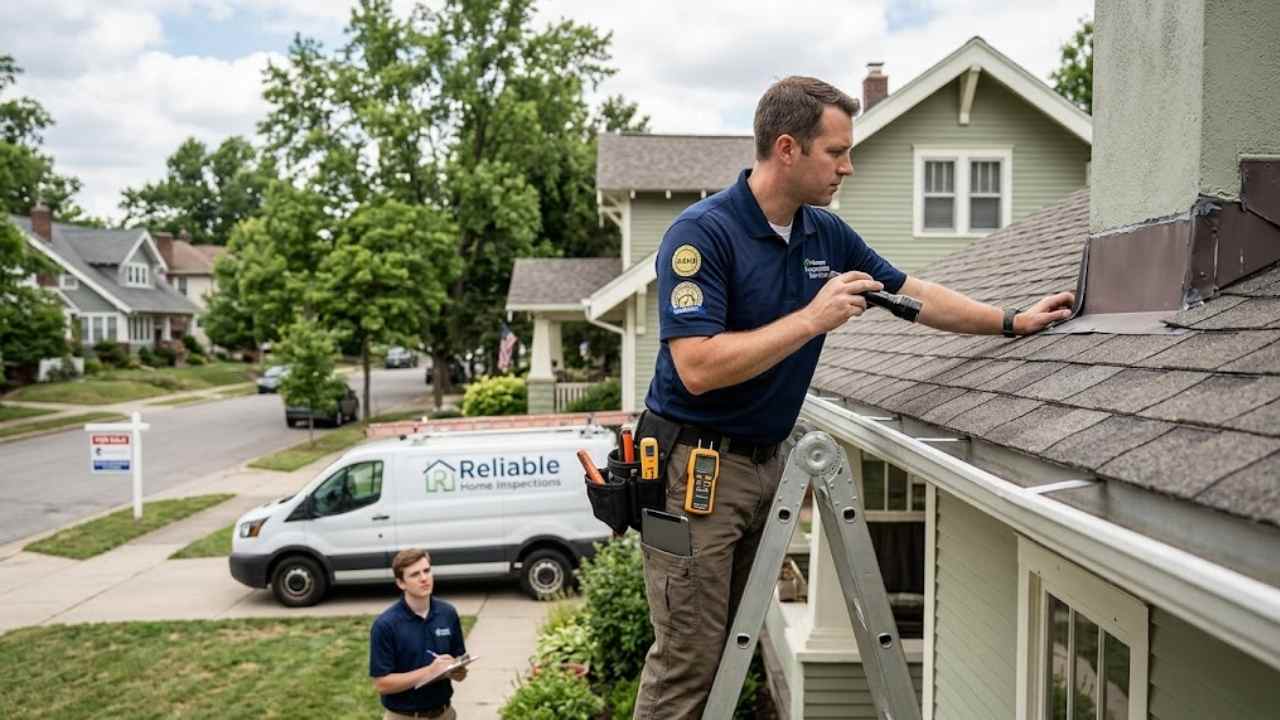
There is something appealing about a job that gets you out of a chair and into real spaces where decisions actually matter. Home inspection is one of those paths. It sits at the intersection of construction knowledge, real estate timing, and practical problem solving. People rely on inspectors to help them avoid expensive mistakes, which means the role carries weight without requiring a traditional four year degree. If you are looking for a career that feels grounded, flexible, and tied to tangible outcomes, this one tends to check a lot of boxes.
Understand The Role
Before anything else, it helps to get clear on what the work really looks like day to day. A home inspector evaluates the condition of a property, often before a sale closes, and documents findings in a detailed report. That includes everything from roofing and foundation issues to electrical systems and plumbing concerns. You are not there to fix problems, you are there to spot them, explain them, and communicate risk in a way that clients can understand without feeling overwhelmed.
This is also a people facing job, which surprises some newcomers. You will spend time talking to buyers, agents, and sometimes sellers. You will be asked questions on the spot. You will need to explain findings calmly and clearly, even when the news is not ideal. The technical side matters, but the ability to communicate without sounding alarmist or dismissive matters just as much.
There is also a practical side to consider, especially when people start looking into home inspector salary expectations. Income can vary depending on your region, how many inspections you take on, and whether you work independently or under a larger company. Many inspectors appreciate that income can grow steadily over time as referrals build and your reputation becomes more established.
Learn The Requirements
Licensing rules depend on the state, and they are not all the same. Some states require formal coursework and exams, while others have fewer barriers to entry. Even in areas with lighter regulations, most serious inspectors still pursue training because it builds confidence and credibility right away.
Training programs usually cover structural components, systems like HVAC and electrical, and inspection standards. You will also learn how to write reports that are clear, accurate, and legally sound. That last part matters more than people realize. Your report is not just a summary, it is a document that clients rely on when making financial decisions.
There is also value in learning beyond the minimum. Building codes, materials, and construction methods change over time. Staying current helps you spot issues that others might miss, and it makes your work feel more solid when you are explaining it to clients who are often stressed and making big decisions quickly.
Pick A Training Path
Not all training programs are created equal, so it is worth taking a little time to compare options. Some are fully online and self paced, while others include hands-on field experience. The best choice depends on how you learn. If you are someone who needs to see things in person, a program that includes ride along inspections can make a big difference early on.
This is also where a lot of people start thinking about choosing the right career in a broader sense. Home inspection can be a great fit if you enjoy variety, independence, and working with your hands and your mind at the same time. It may not be ideal if you prefer predictable routines or office based work. Being honest about that upfront saves a lot of second guessing later.
Mentorship can be incredibly helpful during this stage. Spending time with an experienced inspector gives you a clearer picture of how the work flows in real life. It also helps you build confidence before you are the one responsible for delivering the final report.
Get Certified And Insured
Certification is not always required, but it is often expected. Organizations like InterNACHI or ASHI provide credentials that signal professionalism and adherence to standards. Clients and real estate agents tend to look for these markers, especially when choosing between multiple inspectors.
Insurance is just as important. Errors and omissions coverage protects you if something is missed and a client claims financial loss. General liability coverage handles accidents that might happen during an inspection. These are not just formalities, they are part of operating responsibly in a field where your work directly affects major financial decisions.
Having both certification and insurance in place makes it easier to build trust early on. It shows that you take the role seriously and that you are prepared to stand behind your work.
Build Real Experience
No amount of coursework replaces time in the field. Early on, that might mean working under another inspector, taking on smaller jobs, or even practicing on properties you already have access to. The goal is to build familiarity with how homes age, how problems present themselves, and how to move through an inspection efficiently without missing key details.
Experience also sharpens your instincts. Over time, you start to notice patterns, like how certain roof types tend to fail or how older wiring systems show wear. That kind of pattern recognition cannot be rushed, but it develops steadily with exposure.
It is also where your communication style evolves. You learn how to explain issues in a way that is clear without being dramatic. Clients appreciate honesty, but they also appreciate context. Telling someone that something is a concern is one thing, helping them understand how urgent it is and what it might mean long term is where you really add value.
Market Your Services
Once you are trained and ready to work independently, visibility becomes the next step. Many inspectors build relationships with real estate agents, since agents are often the ones recommending inspectors to buyers. That does not mean you rely entirely on referrals, though. A simple website, clear pricing, and straightforward messaging can go a long way.
Reviews matter more than most people expect. A handful of strong, detailed reviews can help you stand out in a crowded market. People want to know that you are thorough, fair, and easy to work with. Those qualities tend to come through clearly in feedback from past clients.
Consistency is key here. Showing up on time, delivering reports promptly, and communicating clearly after the inspection all contribute to your reputation. Over time, that reputation becomes one of your strongest assets.
Becoming a home inspector is not about chasing a single milestone. It is about building a skill set that grows with experience and earns trust over time. If you stay curious, keep learning, and treat each inspection as something that matters, the career tends to take care of itself.





















