

Workforce gaps are a growing issue. Companies struggle to find skilled workers, fill vacancies, and keep employees happy. Turnover rates stay high, while tasks pile up. This leaves businesses stuck in a cycle of stress and inefficiency.
Automation is changing this game. It handles repetitive tasks like data entry and document processing. This frees employees to focus on strategic work and problem-solving. In this blog, you’ll learn 13 ways automation fixes workforce gaps fast.
Keep reading for smart solutions!
Key Takeaways
- Automation handles boring tasks like data entry, saving time for strategic work. RPA can save recruiters up to 19 hours weekly during hiring processes.
- AI and tools like HCM software simplify workflows, boost efficiency, and cut errors. Factory automation reduces delays with smart communication between machines.
- Over 51% of companies train workers in automation skills like machine learning on the job. Partnerships with schools also help close skill gaps faster.
- Automation improves safety in risky jobs like construction by handling dangerous tasks and adding predictive maintenance to prevent equipment failures.
- Assistive tech supports older workers with voice-controlled devices and wearables that track health signs, improving productivity while keeping them safe at work.
Automating Repetitive Tasks
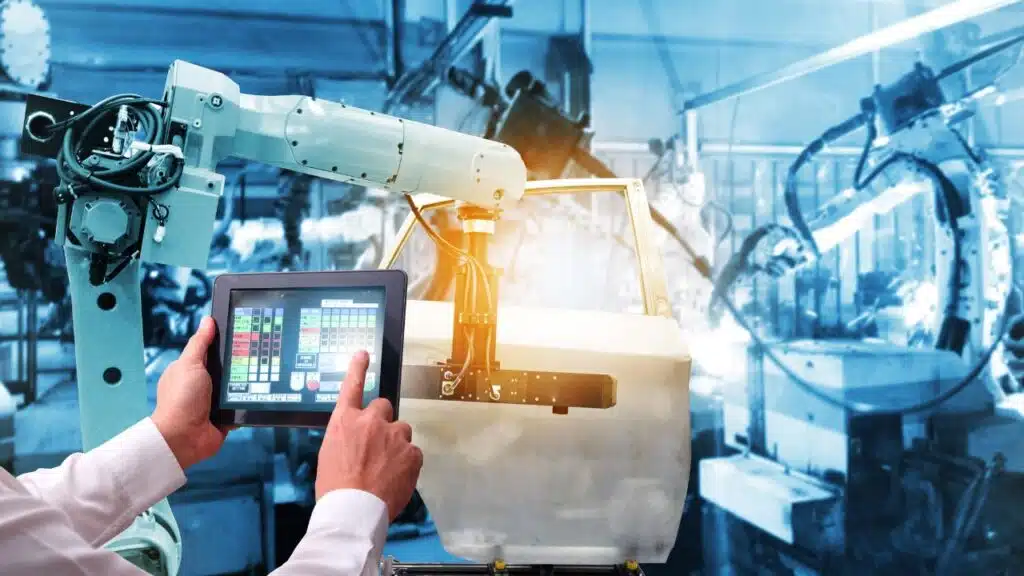
Automation cuts down boring work like data entry and document processing. Robotic Process Automation (RPA) can save recruiters up to 19 hours a week on pre-screening, freeing them for strategic tasks.
UiPath boosted HR efficiency by automating onboarding, slashing wasted time.
71% say RPA improves company performance through time savings. Employees shift focus from manual tasks to creative or strategic work instead. This creates better career prospects and job satisfaction while closing the skills gap across industries.
Streamlining Processes and Workflows
Artificial intelligence (AI) simplifies workflows. It removes manual tasks like data entry and document processing. This shift speeds up operations and cuts errors. Automated systems, like HCM software, help manage workforce planning.
Predictive analytics ensures better use of resources by showing trends early. Companies save time while boosting operational efficiency.
Factory automation improves assembly lines with smart factories using the Industrial Internet of Things (IIoT). Machines communicate, reducing delays between touchpoints. Remote work tools enhance teamwork by keeping communication smooth across locations.
These changes shrink labor costs without hurting productivity levels, helping businesses adapt to the skills gap quickly.
Enhancing Workforce Training and Upskilling
Half of workers feel their jobs lack enough skill-building chances. Companies need better training programs. Automation skills like data analytics or machine learning (ML) are valuable now.
Over 51% of businesses train employees in automation, with most sessions held during work hours.
Partnerships with schools help close the skills gap too. Around 37% of employers work with colleges to teach critical thinking and IT literacy. These efforts create a future-ready workforce while boosting career growth for employees.
Predicting and Addressing Workforce Challenges

Workforce challenges hit fast in shifting job markets. Over 50% of employees feel lost with rapid workplace changes. One-third faced over four role or team shifts just last year, leaving many unsure about the future.
Predictive tools like artificial intelligence (AI) flag skill gaps early. This helps businesses act quickly by offering training or hiring skilled professionals to close these gaps.
Strategic planning becomes essential as jobs evolve. More than half of workers expect their roles to change within five years. Automation supports this shift by handling manual tasks like data entry and document processing, freeing people for strategic work.
Digital transformation also boosts career prospects and keeps teams prepared for future demands without stress overloads.
Improving Workforce Efficiency and Productivity
Cutting manual tasks like data entry speeds up work. Automation tools handle repetitive stuff, freeing employees for strategic work. This boosts operational efficiency, as workers focus on high-value projects instead of small chores.
Engaged teams achieve better results. Companies with happy employees perform 147% better in earnings per share than others. AI also improves skills, creativity, and job quality for 70% of its users.
Daily users even expect pay raises due to higher productivity levels.
Supporting an Aging Workforce with Assistive Technology
Assistive tools help older workers stay active. Voice-controlled devices reduce the need for typing, easing strain on hands. Automated data entry saves time and energy for aging employees.
In healthcare, robots assist nurses with lifting patients, lowering physical demands.
Wearables track health signs like heart rate or stress levels at work. These gadgets alert users to rest before issues arise. Automation also improves safety in risky jobs like mining by handling dangerous tasks.
This boosts productivity while keeping older staff safe and engaged.
Attracting and Retaining Younger Talent
Younger workers want career growth, flexible schedules, and meaningful work. Automation helps by handling manual tasks like data entry or document processing. This lets employees focus on creative and strategic work that feels more fulfilling.
More than 76% of workers feel confident finding jobs matching their skills. Companies offering automation training and digital transformation tools can attract these skilled professionals.
Flexible remote options also improve work-life balance, which keeps younger talent engaged longer.
Reducing Workplace Risks and Enhancing Safety

Automation cuts down workplace risks in dangerous jobs like construction or mining. Machines handle tasks that involve heavy lifting, sharp tools, or toxic chemicals. This lowers the chance of workplace injuries and boosts worker safety.
Predictive maintenance helps stop equipment failures before they happen. It spots issues early, saving lives and reducing downtime. With fewer accidents, companies save money on healthcare costs and lawsuits while improving their reputation for safety.
Takeaways
Automation fills workforce gaps with smart solutions. It frees workers from dull tasks like data entry, making room for strategic work. Upskilling becomes easier, boosting career prospects and employee engagement.
Safety improves too, lowering risks of workplace injury in tough jobs. Businesses save money while also creating roles for skilled professionals in automation skills. Embracing these tools means a stronger labor market built to last.
FAQs
1. What is workforce automation?
Workforce automation uses tools like artificial intelligence to handle tasks such as data entry, document processing, and other manual work. It helps businesses improve operational efficiency.
2. How does automation address the skills gap?
Automation reduces the need for specific technical skills by handling repetitive tasks. This allows employees to focus on strategic work and soft skills that drive career growth.
3. Can automation help with employee engagement?
Yes, it can! By automating routine jobs, workers have more time for meaningful projects that boost engagement and support their development.
4. Does automation impact workplace injuries?
It can lower risks of workplace injury by taking over hazardous or physically demanding tasks, creating a safer environment for employees.
5. Is continuous learning important in an automated workplace?
Absolutely! Automation creates opportunities for adult learning and mentorship programs so employees can build new skills and stay future-ready.
6. How does automation affect small businesses facing talent shortages?
Small and medium-sized enterprises benefit from outsourcing certain processes through digital transformation tools like AI, helping them manage workforce gaps efficiently without hiring more staff.
























