

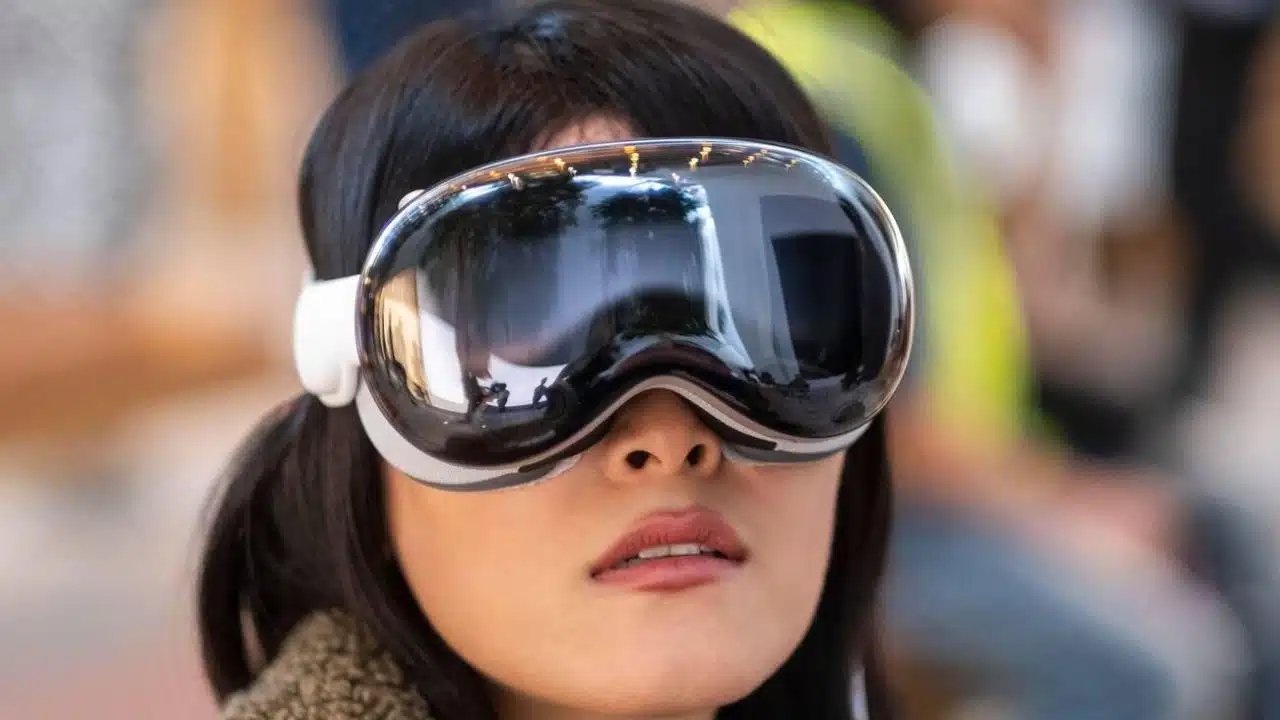
Apple’s highly anticipated Vision Pro headset, a pioneering device in the mixed reality space, has recently faced a setback as the company adjusts its shipment forecast for the remainder of the year. This decision comes in response to unexpectedly low demand for the $3,500 headset, which has prompted Apple to re-evaluate its production plans and long-term strategy for the product line.
Revised Shipment Forecast and Market Expectations
According to renowned Apple analyst Ming-Chi Kuo, the tech giant has significantly reduced its orders for the Vision Pro, even before the device’s launch outside of the United States. Kuo’s sources indicate that Apple now anticipates selling between 400,000 and 450,000 units in 2024, a notable decrease from the previously estimated “market consensus” of 700,000 to 800,000 units.
This revision in shipment expectations underscores the challenges Apple faces in capturing widespread consumer interest for its premium mixed reality offering. Despite the Vision Pro’s impressive technical capabilities, which have garnered praise from early adopters, the device’s high price point appears to be a significant barrier to mainstream adoption.
Adjustments to Apple’s Headset Roadmap
In light of the lower-than-expected demand for the Vision Pro, Apple is reportedly reassessing its overall headset roadmap. One potential consequence of this re-evaluation is the possible delay or cancellation of a more affordable entry-level mixed reality headset, which was initially planned for release beyond 2025.
This strategic shift suggests that Apple is grappling with the complexities of introducing a new product category to the market, particularly one with a premium price tag. The company may need to further refine its approach to mixed reality devices, focusing on delivering compelling user experiences and demonstrating clear value propositions to justify the investment for a broader range of consumers.
Implications for the Mixed Reality Industry
As a trailblazer in the tech industry, Apple’s successes and challenges often have far-reaching implications for the entire market. If Vision Pro fails to gain significant traction, it could send ripples throughout the mixed reality sector, potentially impacting the adoption of key components and technologies.
Kuo suggests that the lower demand for the Vision Pro might hinder the widespread adoption of certain VR and AR-specific components, such as micro-OLED displays. If these components do not reach the necessary production volumes to achieve economies of scale, it could limit their integration into other devices, slowing down the overall progress of the mixed reality industry.
Balancing Innovation and Affordability
Apple’s experience with the Vision Pro highlights the delicate balance between pushing the boundaries of innovation and ensuring that new technologies are accessible to a wide range of consumers. While the Vision Pro showcases Apple’s technical prowess and commitment to advancing mixed reality, its high price point may limit its appeal to a niche audience of early adopters and enthusiasts.
To truly revolutionize the mixed reality landscape, Apple and other industry players will need to find ways to deliver compelling experiences at more affordable price points. This may involve iterating on product designs, optimizing production processes, and fostering partnerships with key stakeholders to drive down costs and expand the market for mixed reality devices.
Conclusion
The downward revision of Apple’s Vision Pro shipment forecast serves as a stark reminder of the challenges inherent in introducing groundbreaking technologies to the market. While the device has impressed early adopters with its technical capabilities, its high price point has proven to be a significant hurdle to attracting a broader consumer base.
As Apple navigates this setback, it will need to carefully reassess its strategy for the mixed reality market, balancing innovation with affordability, to ensure the long-term success of its headset lineup. The company’s ability to adapt and refine its approach will not only shape the future of its own mixed reality endeavors but also have significant implications for the entire industry.
Despite these challenges, the potential of mixed reality technology remains vast, with applications spanning entertainment, education, productivity, and beyond. As the industry continues to evolve and mature, it will be crucial for Apple and other key players to collaborate, innovate, and find ways to make these transformative experiences accessible to a wider audience. Only then can the true promise of mixed reality be fully realized, ushering in a new era of immersive and interconnected digital experiences.
The information is taken from The Verge and Business Today.





















