
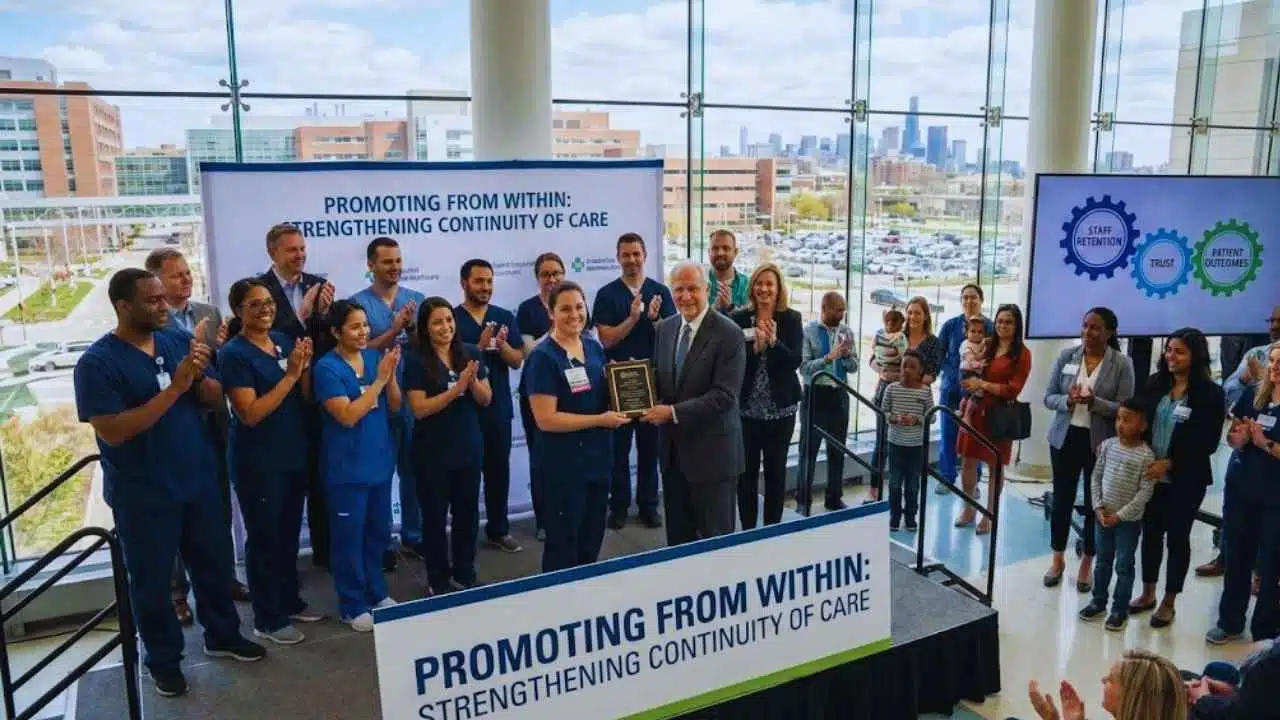
Promoting leaders from within can quietly change how care feels for patients and families. Instead of constant turnover at the top, staff see familiar faces stepping into larger roles. Many healthcare organizations and leaders, like Anthony Misitano, have shown how this choice can protect the continuity of care in meaningful ways.
What Continuity Of Care Really Means
Continuity of care is the simple idea that care should feel connected over time. Patients should not have to retell their story every visit. Their information, preferences, and goals should follow them across settings.
When continuity is strong, care teams know a patient’s history and current plan of care. They can anticipate needs and spot early warning signs. This reduces mistakes and unnecessary delays.
Continuity also shapes how safe and respected patients feel. A familiar team can build trust more easily than a constantly changing cast of clinicians. That trust makes people more willing to share concerns before they become crises.
Why Internal Leaders Understand The System Better
Leaders who grow inside an organization know how things really work. They have seen how policies play out in busy hallways, exam rooms, and homes. They remember past changes and what went wrong or right.
This history helps them design improvements that fit reality. Instead of forcing a generic model, they adjust plans to local workflows. Staff recognize this and are more willing to try new ideas.
Internal leaders also know the unwritten rules. They understand which teams have struggled to work together and why. That insight lets them address friction points that an outsider might overlook.
Less Disturbance And More Seamless Transitions
If leadership changes are not managed properly, they can easily disrupt care. It frequently takes months for new external leaders to become familiar with names, procedures, and community norms. Projects may stall and priorities may change during that time.
This learning curve is reduced when leaders are elevated from within. They already understand which programs are essential to quality and safety. They can gradually add their own vision while maintaining those efforts.
This results in fewer abrupt changes in focus for patients. Routines for communication, follow-up procedures, and care pathways remain in place. As a result, care is more consistent even as the organization changes.
Protecting Practices That Already Work
Not every system in healthcare is broken. Many clinics and units have developed strong routines that reliably support patients. Internal leaders are often the first to recognize which practices deserve protection.
They have seen small but important habits, like nurses double‑checking medications together. They know which huddles, checklists, or phone calls prevent errors. Rather than wiping the slate clean, they build on these strengths.
This preservation helps maintain continuity of care. Patients continue to benefit from hard‑won lessons learned over the years. Change becomes more about refinement than constant reinvention.
Supporting Staff Morale And Professional Growth
Promoting from within sends a clear message to staff. It shows that hard work, integrity, and teamwork can lead to real opportunities. People are more likely to stay when they see a future for themselves.
This stability matters for continuity of care. Teams that stay together learn each other’s patterns, strengths, and blind spots. They can coordinate tightly around complex patients because they trust one another.
Internal promotion also encourages mentoring. Emerging leaders watch how their colleagues advance and seek guidance. That culture of growth creates a deeper bench of people ready to step up when needed.
Stronger Coordination Across Departments
Continuity of care depends on how well departments communicate. Patients move from emergency rooms to inpatient units, then on to rehab or home care. Every handoff is a chance for information to be lost.
Leaders who have rotated through different roles inside the same system understand these handoffs deeply. They have seen where referrals stall or discharge plans fall apart. They can target those weak spots with focused changes.
Their relationships across departments make coordination easier. A call between former coworkers can solve a problem faster than a formal memo. Over time, this network of trust keeps care more connected for patients.
Knowing The Community And Its Needs
Healthcare does not exist in a vacuum. Each organization serves a specific community with its own history, cultures, and concerns. Leaders who have been present for years develop a feel for that context.
They remember past outreach efforts, public meetings, and local crises. They know which promises were made and how well they were kept. That perspective helps them design services that fit local needs instead of generic templates.
For patients, this can mean more appropriate programs and clearer communication. Continuity of care then stretches beyond the bedside into neighborhood life. Care plans feel less like orders from afar and more like shared agreements.
A Steady Path Forward
Continuity of care is not merely a clinical concept. It is a leadership decision that determines how stable and predictable care will be felt over time. One of the most effective ways to reinforce that stability is to promote internal leaders.
These leaders not only have the past of the organization in their hands, but at the same time, they are taking the organization into the future. They recognize what already works and get on with carefully changing the weak spots. All these result in healthcare consumers enjoying the benefits of less abrupt changes, more stable medical staff, and fewer unexpected situations.
Takeaways
In many systems, including those influenced by leaders such as Anthony Misitano, this approach has become a quiet but essential strategy. It strengthens trust inside the organization and out in the community. Over time, that trust becomes part of the care itself.