

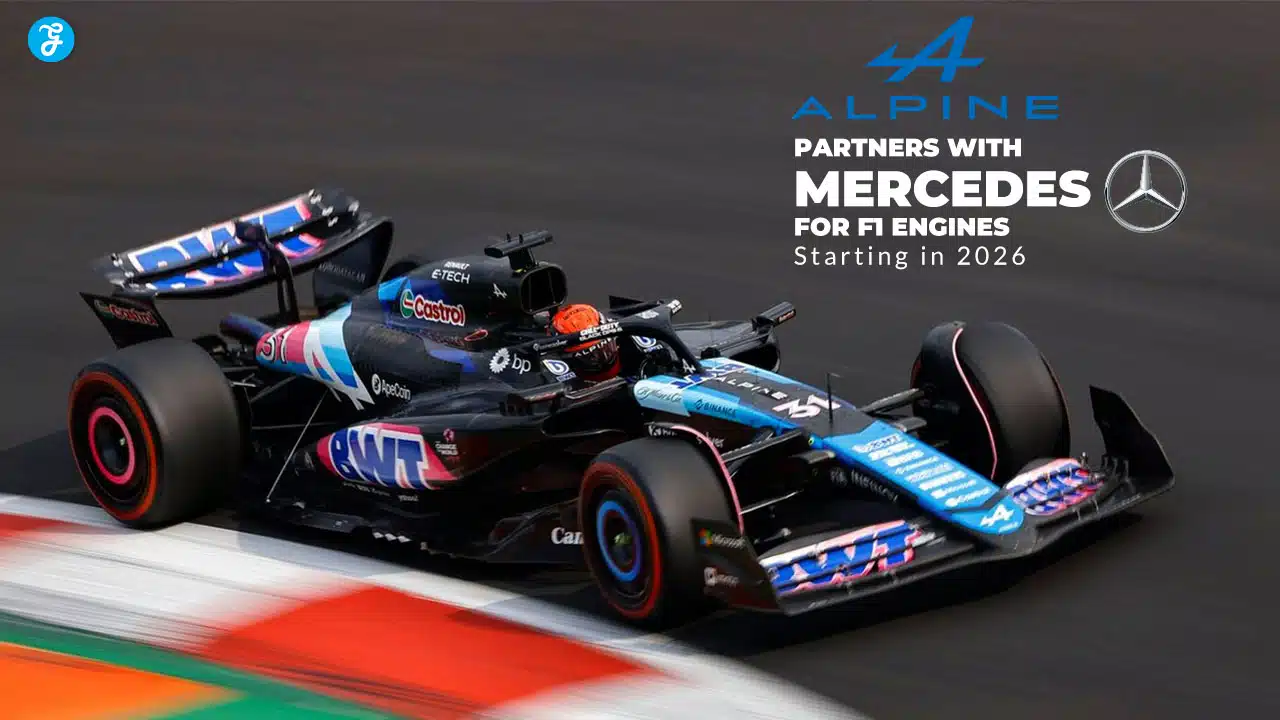
The Alpine Formula 1 team has officially confirmed a new power unit partnership with Mercedes, marking a significant shift in the team’s approach to engine supply as it prepares for the upcoming 2026 season and beyond. This deal will see Alpine transition from developing and using Renault power units to becoming a customer of Mercedes, which is widely regarded as one of the most successful and reliable engine manufacturers in the sport. The agreement, which spans several years, also includes the supply of Mercedes gearboxes, further integrating Alpine’s vehicles with Mercedes engineering.
The announcement signals Alpine’s commitment to a fresh approach as the 2026 regulations reshape Formula 1’s technical landscape. The partnership is set to bring a transformative change to the team as it looks to secure a competitive advantage through Mercedes’ proven expertise in power unit development.
Renault’s Strategic Shift: Ending In-House Engine Development
Alpine’s transition to Mercedes power units is part of a broader strategic decision by Renault, the team’s parent company, to cease its own Formula 1 engine program. Renault has historically provided Alpine with engines from its facility in Viry-Châtillon, France, where the manufacturer has long been dedicated to advancing engine technology for its works teams and customers. However, in September, Renault executives formally decided to abandon these in-house power unit operations and pivot to a customer-based approach by securing a partnership with Mercedes.
The decision to forego internal engine production aligns with broader trends in Formula 1, where several teams have opted for established engine suppliers instead of developing their own. This approach allows the Alpine team to focus more on chassis and aerodynamics development rather than balancing the complex demands of both car and engine engineering.
Behind the Deal: Luca de Meo and Flavio Briatore’s Role
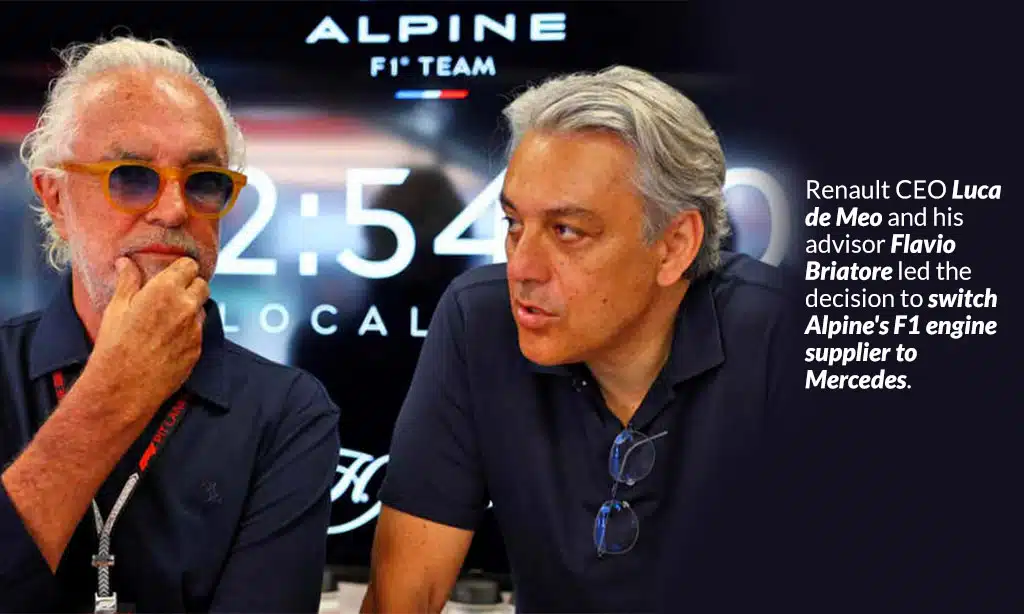
The shift from Renault to Mercedes engines was reportedly spearheaded by Renault CEO Luca de Meo, with key support from his advisor, former F1 team principal Flavio Briatore. De Meo and Briatore evaluated various options for the future of Alpine in F1, ultimately concluding that partnering with Mercedes would offer a stronger foundation for Alpine’s long-term success. Their leadership was instrumental in bringing the partnership to fruition, formalizing a deal that had been in the works for months.
Integrating Mercedes Power Units and Gearboxes for Seamless Performance
One of the key technical components of this new partnership involves Alpine adopting both the power units and gearboxes from Mercedes starting in 2026. The addition of Mercedes gearboxes, in particular, represents a significant step towards a fully integrated engineering solution for Alpine. Using both the power unit and gearbox from the same supplier simplifies the integration process, potentially allowing Alpine to make the most of Mercedes’ technology without compatibility issues.
In a public statement, the team expressed confidence that this partnership with Mercedes would enable Alpine to compete at a higher level under the 2026 regulations. The statement read: “BWT Alpine Formula One Team, Mercedes-AMG High Performance Powertrains, and Mercedes-Benz Grand Prix have entered into Power Unit and Gearbox Agreements from the start of the 2026 FIA Formula One World Championship.” This agreement will run from 2026 until at least 2030, ensuring Alpine’s long-term stability in terms of engine supply.
Alpine’s Near-Term Goals: Focused on 2024 and 2025
While the Mercedes engines won’t arrive until 2026, Alpine remains dedicated to optimizing its performance in the upcoming 2024 and 2025 seasons. These two years are crucial for Alpine, as they represent a transition period leading up to the new regulatory changes. Alpine has faced a challenging 2023 season with various performance issues and reliability concerns, but recent successes have shown the team’s potential. In a surprising turn, Alpine secured a double podium at the Brazilian Grand Prix, propelling the team from ninth to sixth in the Constructors’ Championship standings.
This unexpected result showcased the driving talent of Pierre Gasly and Esteban Ocon, both of whom demonstrated remarkable resilience and skill under challenging conditions. The strong finish in Brazil was a morale booster and underscored Alpine’s capability to deliver competitive results when given the right conditions. However, Alpine’s management is aware that achieving similar results consistently will require continued development and innovation.
The team has publicly stated that it remains “focused on performing in the strongest way possible in the 2024 and 2025 seasons,” with the goal of building momentum and a solid technical foundation before the Mercedes partnership takes effect. The technical staff will likely focus on enhancing the current Renault engine setup and fine-tuning the car’s aerodynamics to ensure a competitive edge in the short term.
The Broader Impact of Alpine’s Mercedes Partnership on F1
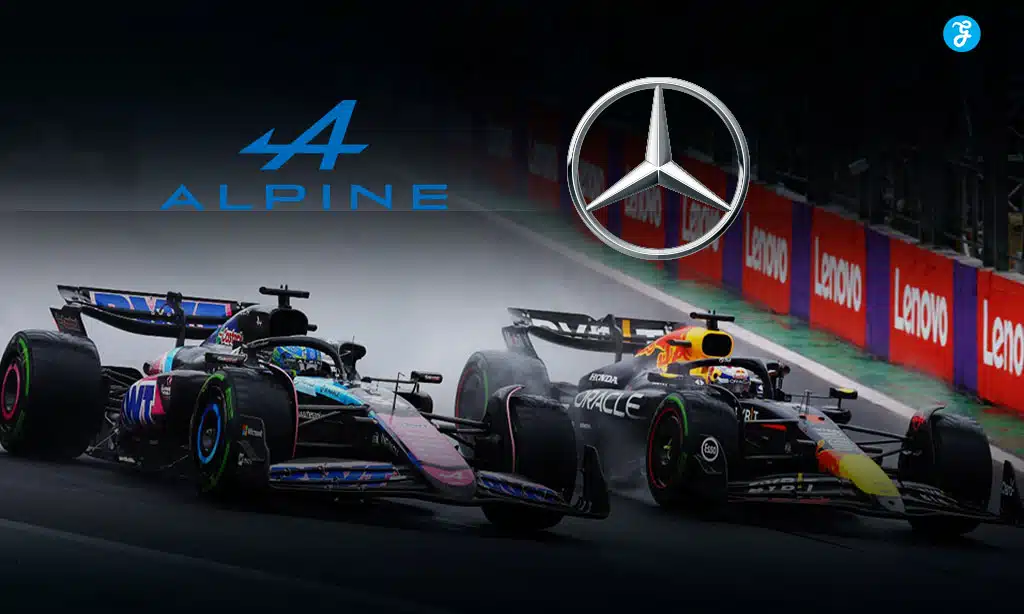
The Alpine-Mercedes deal is not just a milestone for Alpine but also reflects a growing trend in Formula 1: the reliance on customer engine partnerships. Formula 1’s regulations have made engine development a highly specialized and expensive process, with only a handful of manufacturers capable of competing at the highest level. For Alpine, which is competing against teams with established engine programs like Red Bull (partnered with Honda), Ferrari, and Mercedes’ own works team, securing a reliable and powerful engine supplier is a strategic advantage.
Mercedes engines have a long history of success in Formula 1, with numerous championships and a reputation for power and reliability. By aligning with Mercedes, Alpine is positioning itself alongside a proven leader in engine technology, potentially narrowing the competitive gap with other top-tier teams. This approach is expected to free up resources for Alpine to develop a more aerodynamic and efficient chassis, potentially positioning them as a serious contender in the new era.
F1’s Technical Overhaul in 2026: What it Means for Alpine
The timing of the partnership aligns with Formula 1’s upcoming 2026 regulations overhaul, which includes new requirements for hybrid power units that emphasize sustainability and efficiency. The revised regulations are aimed at reducing environmental impact while still promoting high-performance racing, and they demand significant technical adjustments from all teams.
The technical specifications for 2026 are expected to challenge both established and customer teams, as power units will rely more on sustainable fuels and more advanced energy recovery systems. Mercedes’ history of innovation and adaptability in Formula 1’s hybrid era could offer Alpine a competitive edge as the team navigates these changes. With Mercedes as its engine supplier, Alpine could be better equipped to meet these standards and hit the ground running when the new regulations take effect.
What’s Next for Alpine’s Formula 1 Journey?
For now, Alpine’s management, drivers, and technical staff are focused on making the most of their current resources and closing out the 2023 season on a high note, while intensively preparing for the 2024 and 2025 campaigns. With the Mercedes partnership set to begin in 2026, Alpine fans have reason to be optimistic about the team’s potential to rise through the ranks.
Alpine’s transition to Mercedes engines signifies a bold new era in its F1 journey, with high hopes for improved reliability, power, and competitive performance. This agreement promises to elevate Alpine’s status within Formula 1, making them a team to watch as the sport heads into an innovative and challenging new chapter. By aligning with Mercedes, Alpine is setting the stage for a potentially transformative shift, hoping to emerge as a top contender in the next era of Formula 1 racing.
The Information is Collected from MSN and F1.





















