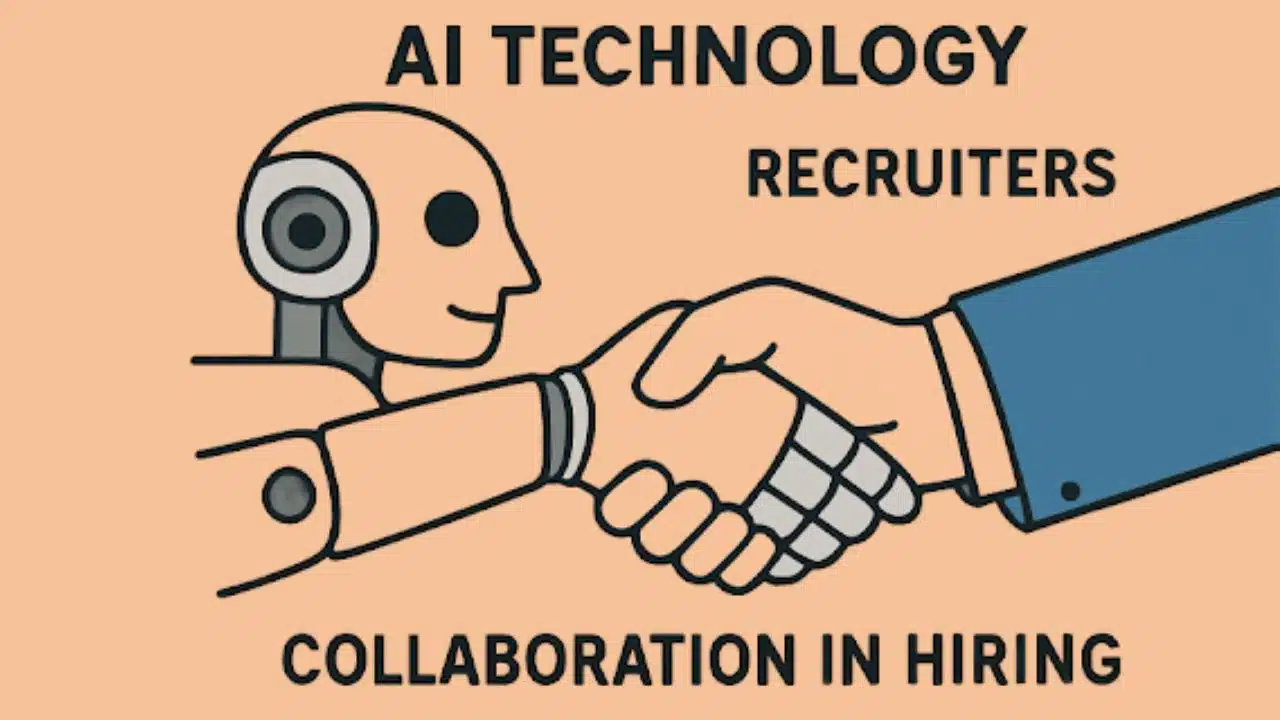
Artificial Intelligence has become the recruitment world’s newest paradox — a tool celebrated for revolutionizing talent acquisition yet criticized for “dehumanizing” it. From automating resume screening to predicting candidate success, AI now sits at the center of hiring strategy for companies of every scale. But somewhere between the promise of precision and the fear of bias, reality often gets distorted by hype.
This article separates practical uses from persistent myths, exploring how AI is truly transforming modern recruitment — not by replacing human judgment, but by enhancing it. We’ll look at where automation delivers measurable value, where ethical blind spots remain, and how the most successful organizations are striking the right balance between machine efficiency and human empathy in their hiring decisions.
Key Takeaways
- AI tools are reshaping hiring through automation, screening, and better candidate matching.
- Common misconceptions include fears of job loss and total machine-driven decision-making.
- The human element remains crucial for empathy and bias mitigation in recruitment.
- Data privacy and transparency are essential considerations when using AI technologies.
- Ethical recruitment practices rely on a blend of AI efficiency and human oversight.
AI Finds Its Place in Recruitment Workflows
Over the past few years, artificial intelligence (AI) has firmly established itself within recruitment processes. Fast-moving organizations are leveraging a variety of artificial intelligence in recruitment solutions to automatically screen applicants, scan extensive collections of resumes, and even initiate early candidate communications. AI’s ability to spot patterns and extract key information at scale transforms traditional hiring, enabling talent acquisition professionals to allocate more time to meaningful tasks and less to repetitive, time-consuming ones. The practical benefits are significant. AI technologies swiftly surface qualified candidates, enable faster scheduling, and help recruitment teams build robust talent pipelines. According to a recent study by the Society for Human Resource Management, more than 40% of companies in the U.S. are now utilizing AI-based tools somewhere along their hiring journey. While these tools can feel revolutionary, it’s important to recognize that the human touch remains essential. AI supports and complements people, rather than replacing them.
How AI Supports Talent Acquisition Teams
When integrated effectively, AI tools help talent acquisition teams handle the “heavy lifting” of initial application sorting and candidate screening. Sophisticated algorithms analyze job descriptions and candidates’ qualifications, work histories, and skillsets to recommend the strongest matches for open roles. This streamlined vetting process frees recruiters to engage in more personalized candidate interactions and assess more subjective criteria, such as cultural fit and motivation. Beyond simple automation, advances in artificial intelligence in recruitment empower organizations to explore hidden talent pools, reach diverse candidates, and reduce some of the friction inherent in traditional hiring methods. By surfacing qualified but previously overlooked talent, AI is a critical equalizer and a tool for expanding opportunity within the modern workforce.
Three Ways AI Improves Candidate Experience
- Faster responses: Chatbots and virtual assistants provide candidates instant answers to their queries at any hour, boosting transparency and improving satisfaction.
- Better job recommendations: Machine learning technologies can match applicants with jobs suited to their unique backgrounds and interests, making job suggestions more accurate and personalized.
- Personalized communications: AI-powered systems keep candidates informed throughout the hiring process, sending timely updates, reminders, and post-interview feedback—all tailored to the individual.
Forbes highlights research showing that these AI-driven improvements can lead to happier candidates and reduced attrition rates, ultimately benefiting both job seekers and employers.
Addressing AI Myths and Misconceptions
Despite its proven advantages, artificial intelligence in recruitment is still plagued by persistent myths. One common belief is that automation will replace human recruiters entirely, resulting in an impersonal, machine-driven process. In practice, however, AI typically manages repetitive screening and administrative tasks, while human recruiters provide the empathy and insight needed for relationship-building. Another widespread misconception is that AI inherently eliminates hiring bias. While AI can help reduce subjectivity in specific processes, algorithms are only as unbiased as the data they’re trained on. If biased patterns exist in historical data, AI systems can perpetuate them. That’s why ongoing human oversight is indispensable for ensuring fairness and equitable hiring outcomes.
The Ongoing Role of Recruiters
Even as AI assumes greater responsibility for routine tasks, the expertise and intuition of human recruiters are irreplaceable. Recruiters assess intangible qualities such as passion, adaptability, and potential, which are not always apparent in application data. Furthermore, recruiters facilitate meaningful discussions, navigate negotiations, and recognize subtle cues during interactions that AI cannot interpret. Likewise, candidates are more likely to feel understood, respected, and valued when interacting with a real person throughout the hiring journey.
Protecting Data and Ensuring Fairness
The rise of artificial intelligence technology in recruiting brings increased responsibilities for data privacy and ethical standards. Organizations must be transparent about using AI tools and inform candidates about how their personal data will be collected, stored, and used. Trust relies on transparency and responsible behavior. Carefully evaluating AI-powered recruitment tools is essential. Employers should regularly check AI outcomes for unfair impacts, review decision-making algorithms for unintended bias, and update internal practices to keep up with technological progress and new regulations. This continuous effort is vital for fair, inclusive, and trustworthy hiring results, ensuring fairness in AI-based recruitment.
Real World Results: Evidence from Recent Case Studies
Many leading organizations have publicly shared their successes with AI-driven recruitment platforms. Some report up to a 60% decrease in time-to-hire after implementing AI screening, while others describe notable improvements in job match quality and new hire retention rates. These tangible outcomes demonstrate the increasing importance of integrating technology in recruitment. Nevertheless, they also serve as a reminder that experienced recruiters are vital for authentic connections and nuanced decision-making.
Moving Forward: A Balanced Approach
Looking ahead, the most effective recruiting strategies will unite the accuracy and speed of artificial intelligence in recruitment with human professionals’ emotional intelligence and discernment. Businesses of all sizes should aim for a thoughtful balance: using AI to augment efficiency, reviewing technology for bias, and consistently delivering a human-centered candidate experience. Ongoing education and clear communication about AI’s role will further enable candidates and hiring teams to benefit from these powerful new tools, setting the stage for ethical, equitable, and effective hiring in the modern age.
Takeaways
Artificial intelligence has become an invaluable ally in modern recruitment, offering efficiency, scalability, and deeper insights into candidate selection. Yet, the success of AI in hiring ultimately depends on how organizations balance automation with the human touch. Recruiters bring empathy, fairness, and judgment that no algorithm can fully replicate, ensuring that hiring remains effective and humane. By prioritizing transparency, safeguarding data, and actively monitoring for bias, companies can harness AI responsibly while building trust with job seekers. Real-world results already demonstrate AI’s transformative potential, but the strongest outcomes will always come from strategies that combine technological precision with human understanding. As the hiring landscape evolves, this hybrid approach will define the future of ethical and impactful recruitment.